
I've begun to see a pattern after spending some time investigating various networks. Many blockchains seem engineered to prove how much they can do, not how they actually behave when people use them every day. The emphasis is often on theoretical strength rather than lived experience. Vanar gives me the impression it approached the problem from the opposite direction. Instead of asking how far performance could be pushed, it seems to ask how systems behave when interaction becomes constant.
That shift in thinking changes everything.
In environments like gaming, digital ownership, and interactive media, the most important factor is not peak speed. It’s consistency. Users don’t measure infrastructure in transactions per second. They measure it in whether things respond immediately, whether actions complete without hesitation, and whether the system behaves the same way today as it did yesterday. Any unpredictability breaks immersion, and once immersion breaks, users rarely return with the same confidence.
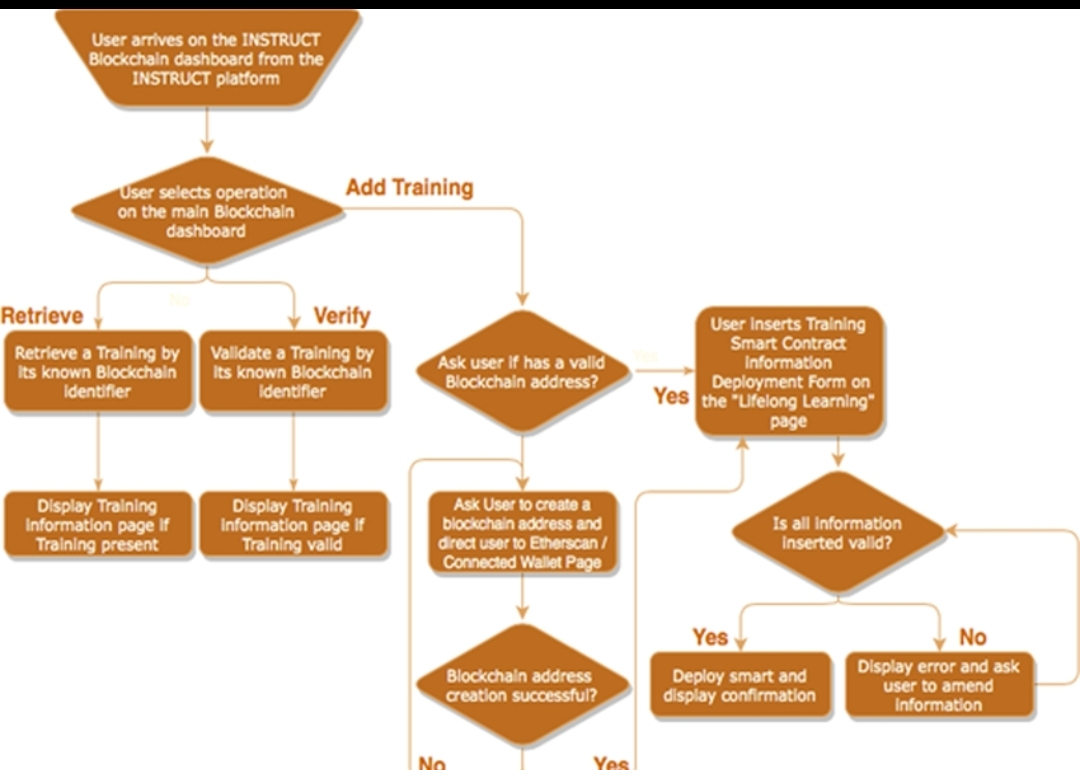
Vanar appears structured around preserving that continuity. It's important to point out that state updates settle quickly, but even more importantly they also settle reliably. This creates an environment where actions generate results that feel definitive rather than uncertain. Therefore, the net effect of this is that there is a very subtle and powerful shift in user behaviour where users no longer question the functionality of the system and, subsequently, interact with it in an effortless manner without having to consider the risks involved in every action.
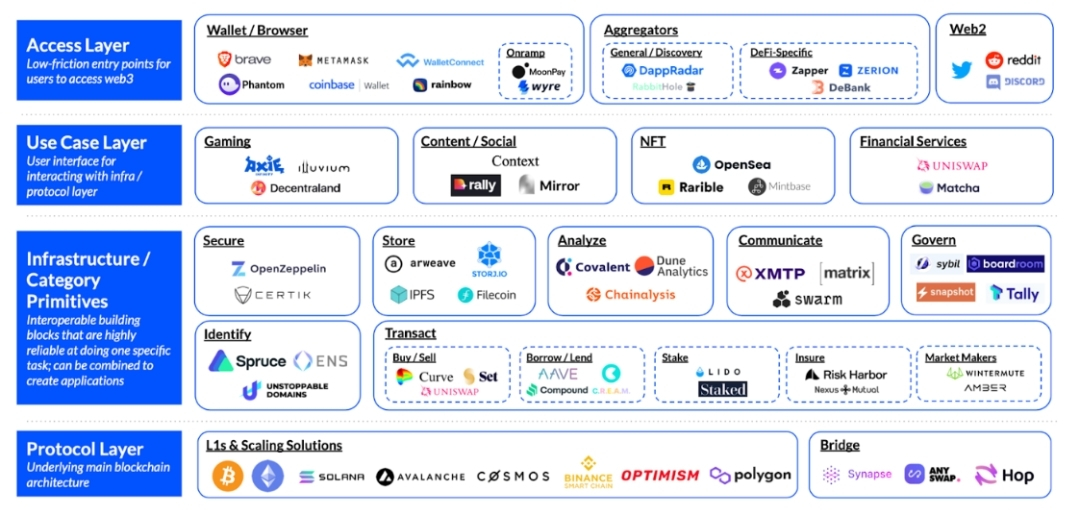
An additional thing that caught my attention is the way the network positions itself concerning application development. Some chains provide a rather rigid environment in which developers have to manipulate their ideas to comply with the limitations of the technology. Vanar is significantly more amenable, providing a foundation that allows for the development of applications without having to conform to very rigid parameters. This level of flexibility is a key factor to teams that develop products for large audiences, where user experience takes precedence over developer technical perfection.
The $VANRY token follows that same line of reasoning. The $VANRY token is part of the co-ordination layer and does not require developers to continually monitor it. It also assists with maintaining validator alignment, ensuring that tasks are executed securely, and ensuring that the overall functionality of the network is maintained at a uniform level.. Most users never need to think about it directly, which is often the sign of infrastructure doing its job properly.
Over time, systems that behave predictably tend to build trust almost by accident. Developers gain confidence deploying on them. Users grow comfortable interacting with them. Activity compounds not because of marketing, but because the environment proves dependable.
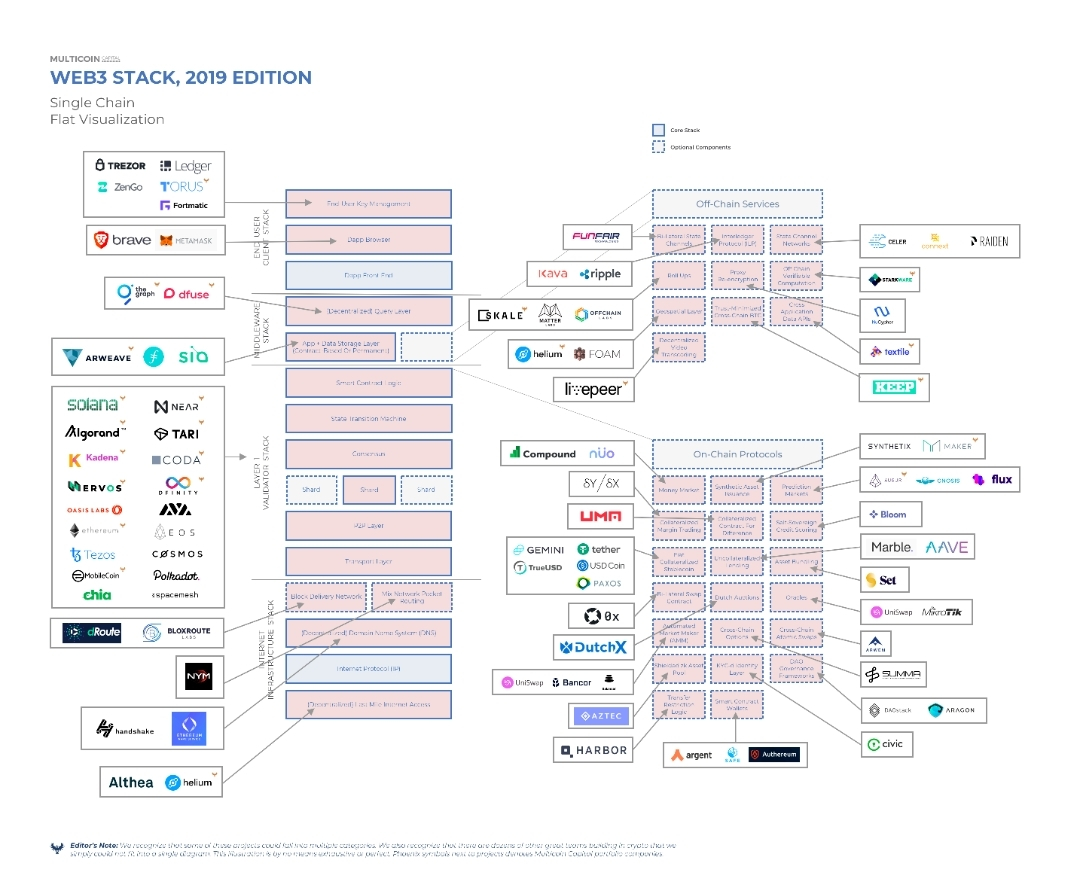
Vanar doesn’t present itself as something dramatic or experimental. It feels more like a stable platform quietly preparing for sustained use. If Web3 adoption continues to move toward real products rather than abstract experimentation, networks designed for continuity rather than complexity may end up defining that future.
