

In fast-moving industries like crypto, narratives can travel faster than facts.
Recently, Binance’s sanctions compliance efforts have been discussed in the media often through selective framing.
But compliance at scale is not defined by anecdotes. It’s defined by systems.
Compliance Is Infrastructure
Operating one of the world’s largest crypto platforms requires more than technology and liquidity. It requires robust oversight mechanisms designed to detect, prevent, and respond to financial risks.
Binance’s compliance program includes:
• Advanced transaction monitoring systems
• Sanctions screening processes
• Dedicated global compliance professionals
• Continuous policy and technology upgrades
This isn’t reactive policy. It’s structured architecture.
Licenses, Registrations, Independent Reviews, and Law Enforcement Collaboration
In addition to licenses and authorizations across 20 jurisdictions, Binance is the first crypto exchange fully authorized under ADGM’s FSRA framework.
Over the past 18 months, independent reviews, audits, and regulatory inspections have strengthened governance, risk monitoring, and customer verification processes.
On security, Binance collaborates with law enforcement worldwide in 2025 alone, helping recover over $131M linked to illicit activity and processing 71,000+ law-enforcement requests.
Compliance isn’t just policy, it’s active, evolving infrastructure that keeps the ecosystem safe.
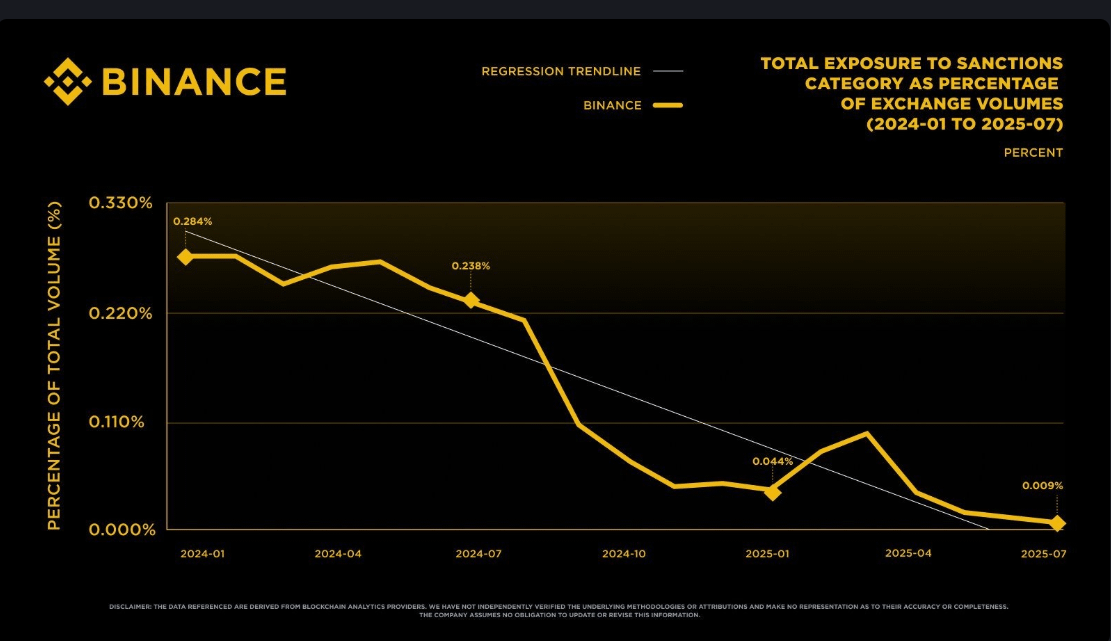
Scale Demands Sophistication
As the crypto industry matures, exchanges must operate closer to institutional standards. That means investing heavily in compliance talent, investigative capabilities, and monitoring frameworks.
Compliance is not a marketing feature.
It’s operational backbone.
Why It Matters
Healthy ecosystems require trust.
Trust requires accountability.
Accountability requires systems.
While specific user cases cannot and should not be publicly discussed, the broader compliance framework reflects long-term commitment to responsible growth.
Crypto’s future depends not only on innovation but also on governance maturity.
And strong compliance programs are part of that evolution.