
#MarketRebound #StockMarketCrash #TrendingTopic #BTC☀
The Purpose: Why are tensions rising?
The global instability is driven by three main factors that have reached a boiling point this year:
Revisionism vs. Status Quo: Major powers like Russia and China are seeking to revise the current international order, which they view as Western-dominated. Russia aims to restore its former Soviet spheres of influence, while China seeks to establish regional dominance in the Indo-Pacific.
The Geopolitics of Scarcity: As we move further into 2026, the race for critical minerals (needed for AI and green energy), freshwater, and semiconductor sovereignty has become a national security priority.
Technological Bipolarity: The world is splitting into two rival technological blocs (one led by the US, the other by China). This "Digital Iron Curtain" affects everything from AI development to global financial systems.
2. Major Blocs & Countries Involved
While not an "all-out" global war in the traditional sense, the world has divided into several active and latent conflict theaters:
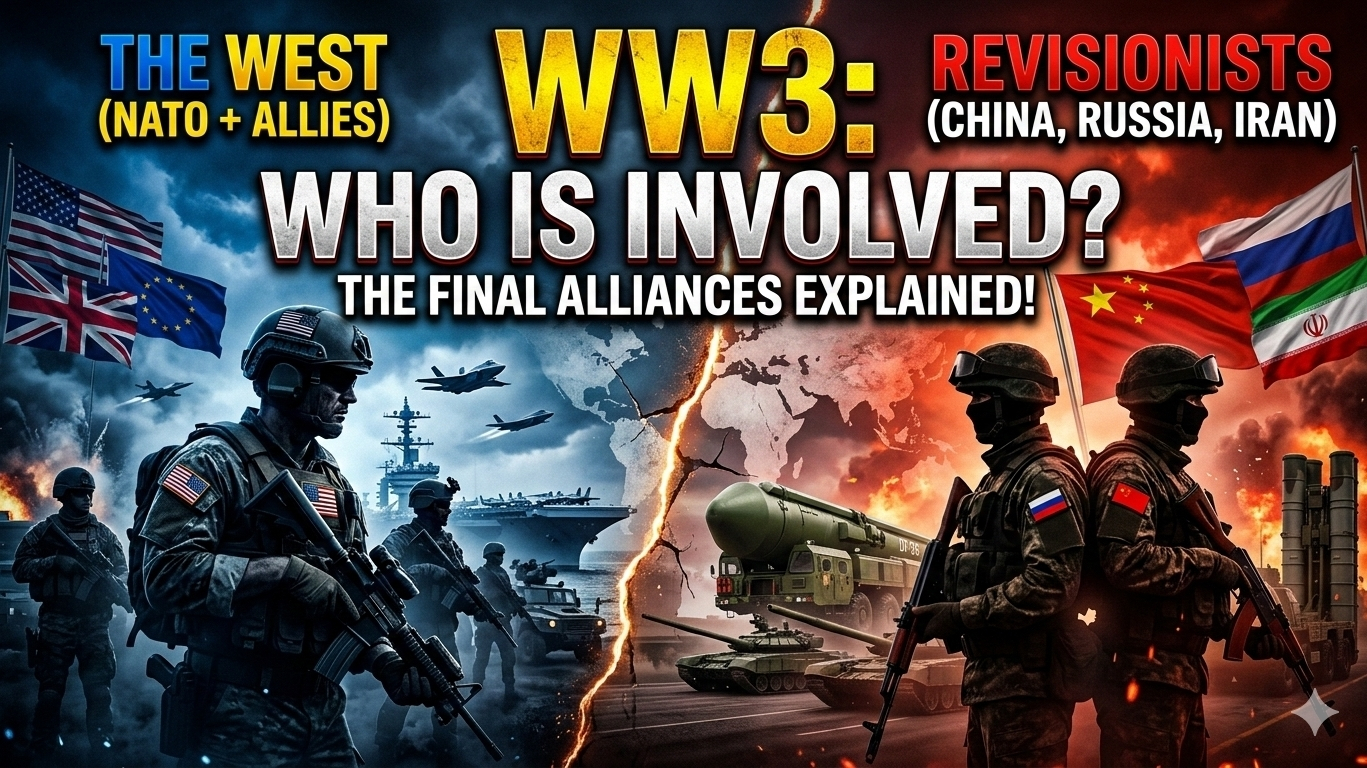
The Western/NATO Alliance
Primary Players: United States, United Kingdom, European Union (notably Poland, Germany, France), Canada, and Australia.
Regional Partners: South Korea, Japan, Israel, and the Philippines.
Recent Focus: Strengthening European defense as the US becomes more inward-looking, and securing the "First Island Chain" in the Pacific to deter a conflict over Taiwan.
The Revisionist/Anti-Western Bloc
Primary Players: Russia, China, North Korea, and Iran.
Dynamics: While not a formal "treaty alliance" like NATO, these nations have formed a "no-limits" partnership to challenge Western sanctions and military presence.
Recent Focus: Russia's continued pressure on Ukraine and Eastern Europe; China’s maritime assertiveness in the South China Sea; and Iran’s regional proxy network in the Middle East.
The "Global South" & Neutral Powers
Key Players: India, Brazil, Saudi Arabia, and South Africa.
Strategy: Most of these countries are practicing "strategic autonomy," refusing to pick a side. They are focused on their own economic development and are increasingly using groups like BRICS to bypass Western financial systems.
3. Flashpoints to Watch in 2026
Experts identify several "triggers" that could escalate these tensions into a direct confrontation:
Flashpoint Status in 2026 Key Risk
Ukraine / Eastern Europe Ongoing Risk of Russian hybrid attacks on NATO infrastructure (cables, power grids).
Taiwan Strait High Tension A blockade of Taiwan would paralyze the global car and tech industries.
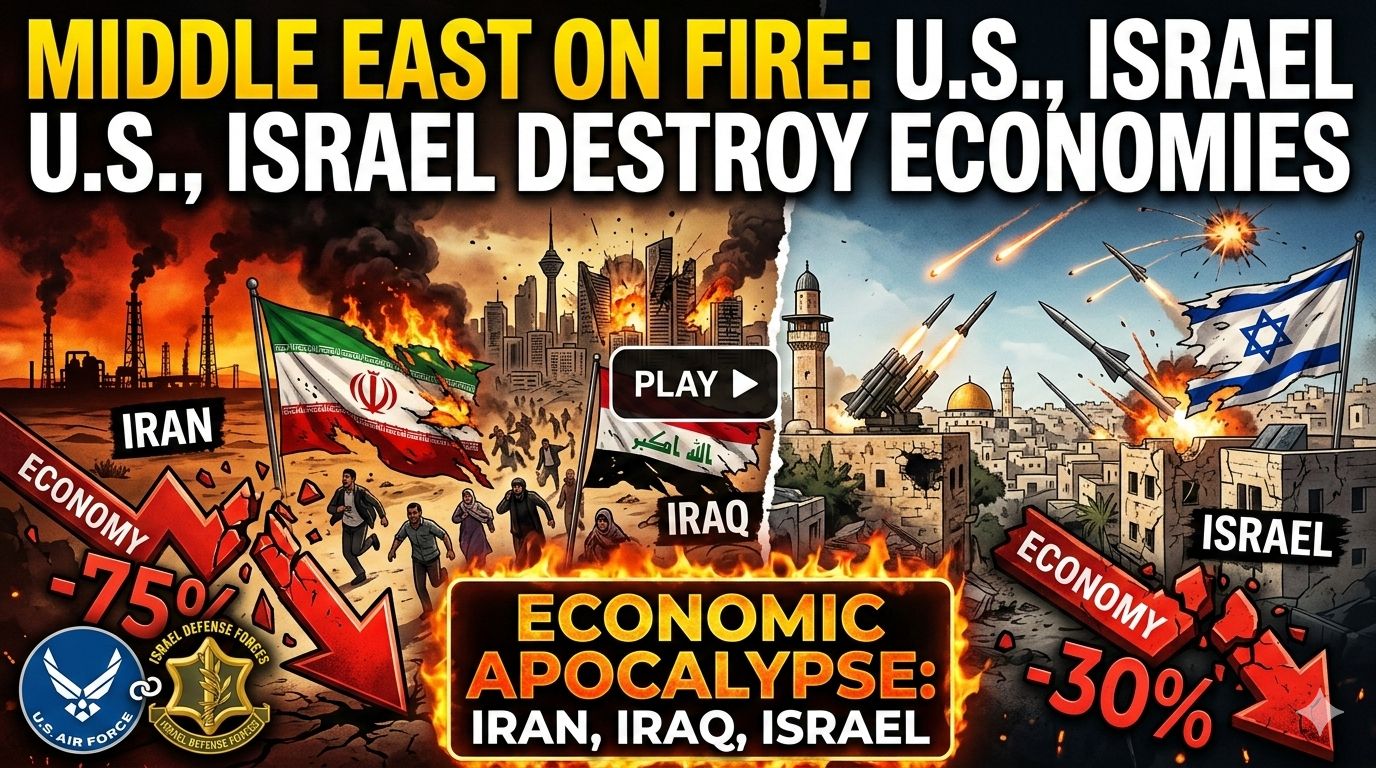
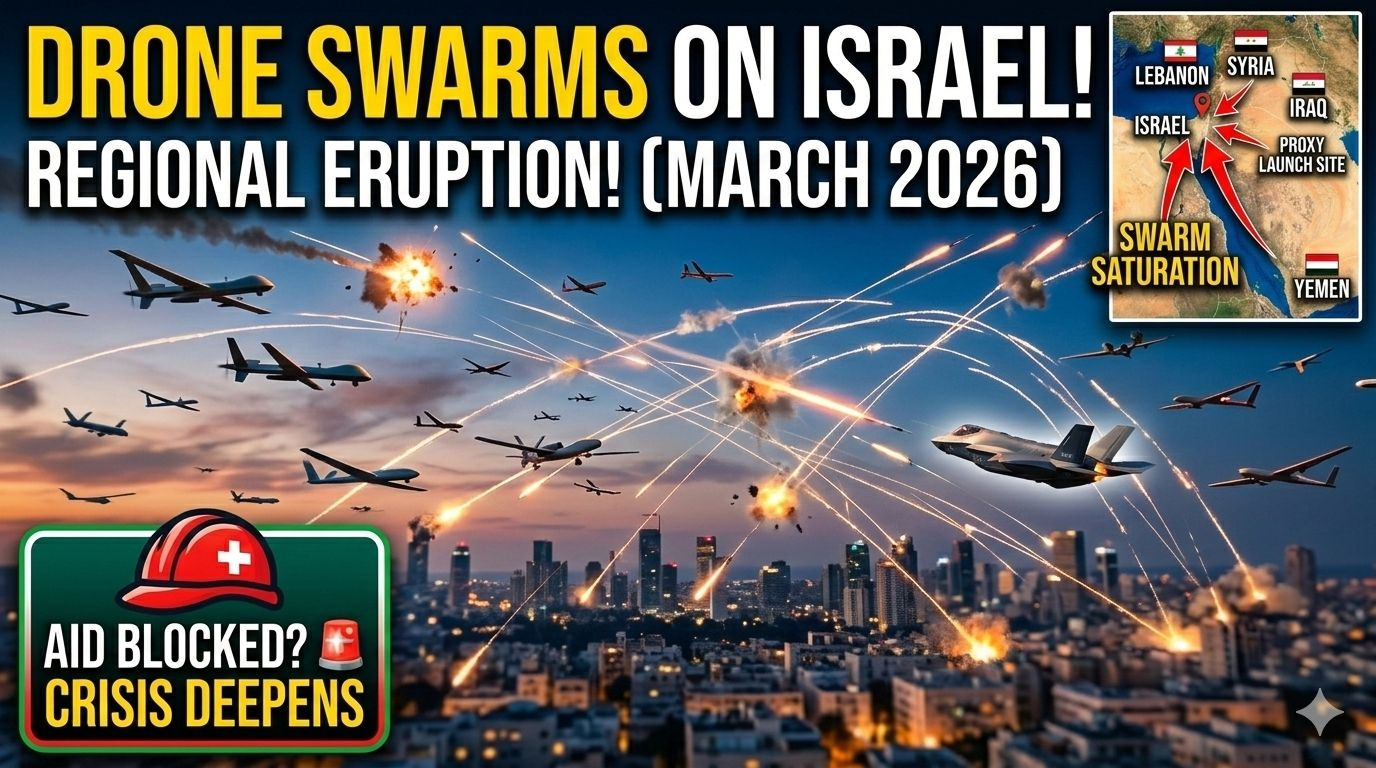
The Middle East High Tension Potential for a direct Israel-Iran conflict and continued Red Sea shipping disruptions.
The Arctic Emerging Competition between Russia, China, and the West over new trade routes and minerals.
Note on "Hybrid Warfare": It is important to realize that in 2026, a "world war" may already be happening in the form of massive cyberattacks, the weaponization of migration, and trade wars—even if large-scale tank battles between major powers are avoided.
Given your background in web development and AI, would you like me to look into how "Sovereign AI" and cyber-conflicts are specifically impacting the tech sector in these regions? $BTC


