
#MarketRebound #USJobsData #TrendingTopic #Binance
A wave of panic is rippling across the globe following Iran’s sudden and complete cessation of all oil exports.
This unprecedented move, announced late last night, has immediately paralyzed energy markets, sending crude prices into an vertical spike and triggering emergency responses from Washington to Beijing. Global leaders are scrambling to assess the damage and find alternatives, but with Iran being a critical supplier to Europe and Asia, the immediate outlook is grim.
Stock markets in every major sector are in freefall this morning. The energy sector, paradoxically, is seeing extreme volatility, while airlines, manufacturing, and logistics companies are taking the hardest hits on fears of a complete supply chain collapse.
At the Pumps: Immediate Chaos and Rationing
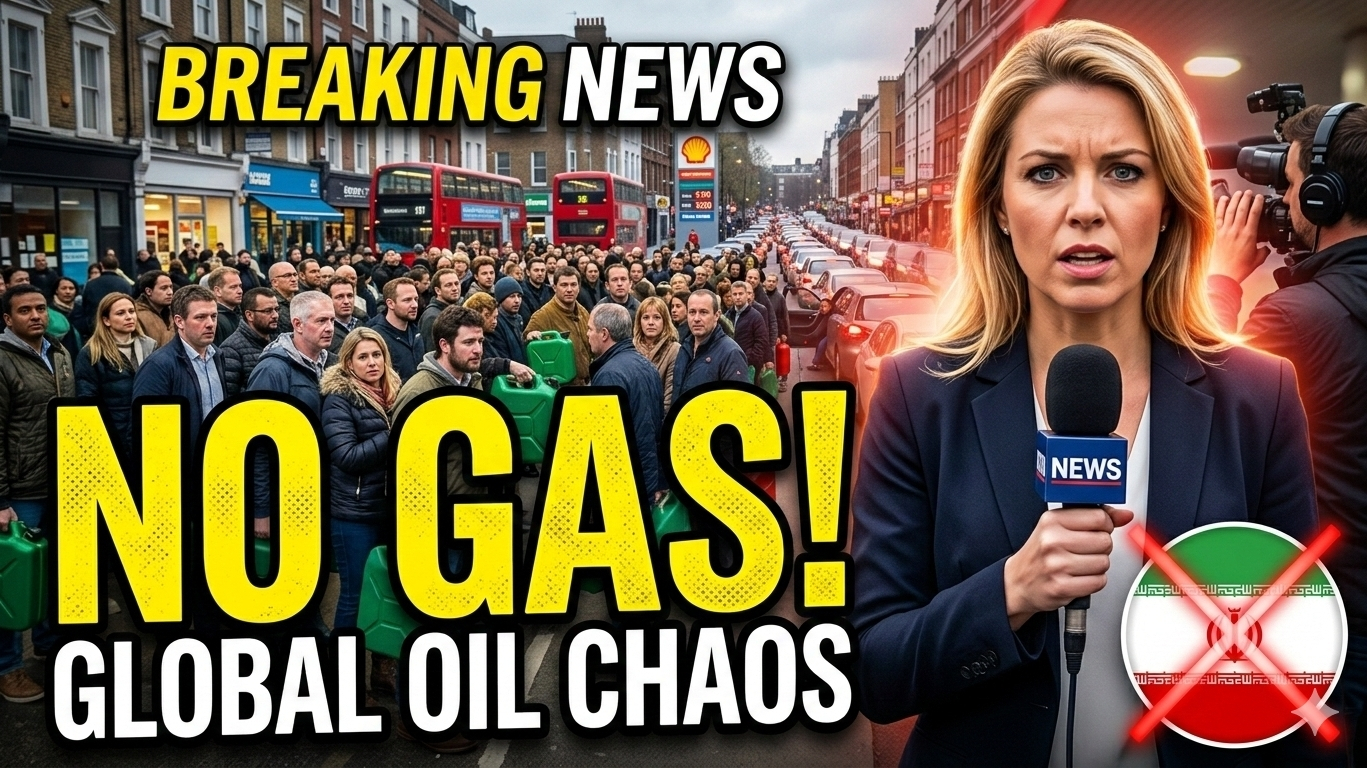
The most visible and immediate impact is being felt by everyday citizens. In major cities worldwide, the news was met with a rush on petrol stations.
From London to Seoul, kilometers-long queues formed within hours of the announcement. In many locations, the surge in demand led to stations running dry completely, forcing them to shutter pumps and display "No Fuel" signs, further fueling public anxiety.
Several European nations, heavily reliant on Iranian crude, have already activated emergency energy protocols. Rationing is now in effect in France and Italy, with strict limits on how much fuel a single vehicle can purchase. Industry experts warn that if the standoff continues for more than a week, restrictions on public transport and essential services may be necessary.
World Leaders React: Condemnation and Crisis Talks
The international response has been swift and severe. The UN Security Council has called for an emergency session today to address the threat to global stability.
In a televised address from the Oval Office, President Biden condemned Iran's action as an "unacceptable assault on the global economy" and promised a robust, coordinated international response. "We will not be held hostage by energy blackmail," Biden stated, hinting at the release of strategic reserves and potential further sanctions.
The European Union leadership echoed this sentiment, calling the export halt a "hostile act" and stating that all diplomatic and economic options are on the table to restore the flow of oil. Meanwhile, major Asian economies, including China and Japan, who are among Iran's biggest customers, are expressing "grave concern" and calling for immediate dialogue while quietly seeking alternative suppliers in the Middle East and Africa.
An Uncertain Future: The Specter of Recession
The length and resolution of this crisis are entirely uncertain. Analysts are now openly discussing the possibility of a global recession if the oil flow is not restored quickly.
"We are entering uncharted territory," says Dr. Elena Rostova, Chief Energy Economist at the Global Policy Institute. "The sudden removal of such a large volume of oil from the market cannot be easily absorbed. We will see inflation skyrocket, supply chains break, and economic growth grind to a halt unless a diplomatic solution is found, or strategic reserves can bridge the gap in the long term."
For now, the world waits with bated breath, watching the long lines at the pumps and the plunging tickers on the stock exchange, as the new energy reality sinks in.$ETH

