

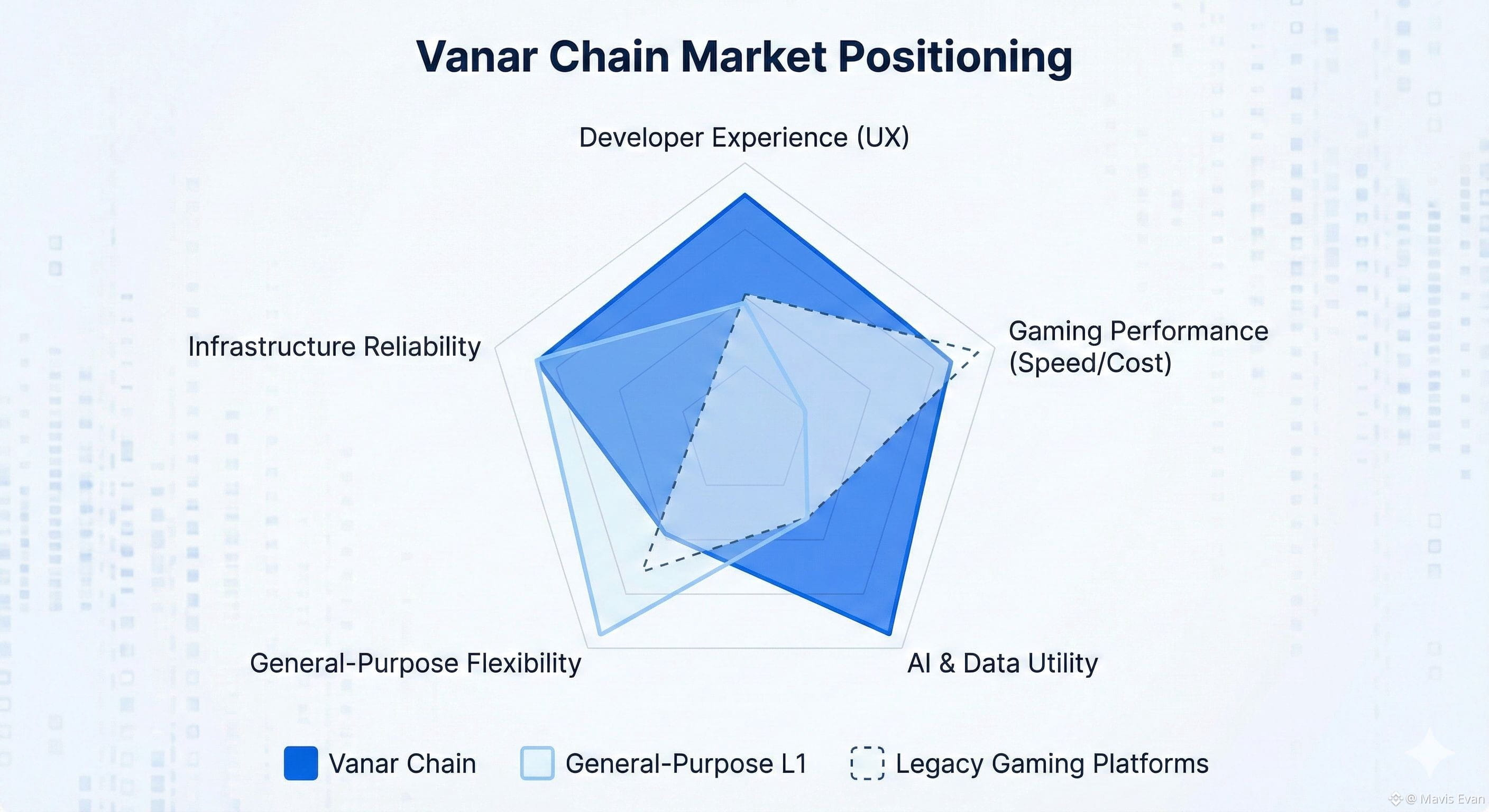
Most Layer 1 chains today feel familiar before you even finish reading their pitch. Faster blocks, cheaper fees, bigger numbers. After years of Ethereum killers, parallel EVMs, and modular designs, the market is no longer impressed by raw performance alone. That’s the context in which Vanar Chain becomes interesting, because it is not trying to win the same race as everyone else.
Vanar’s story makes more sense when you stop judging it as “another L1” and start reading it as infrastructure designed around how people actually use applications. Not traders. Not yield farmers. Normal users who open a game or an entertainment app and expect it to work instantly, without thinking about gas, wallets, or confirmations. That design philosophy runs through everything Vanar is building.
VThe project’s transformation from its Virtua origins raised natural skepticism. Rebrands in crypto often hide dilution or directionless pivots. What stands out here is that the shift was structural, not cosmetic. The token transition was handled cleanly, the team stayed active through the worst market conditions, and the focus moved from NFTs as a product to infrastructure as a foundation. That alone filters Vanar into a much smaller category of projects that actually survived the last cycle without abandoning their roadmap.
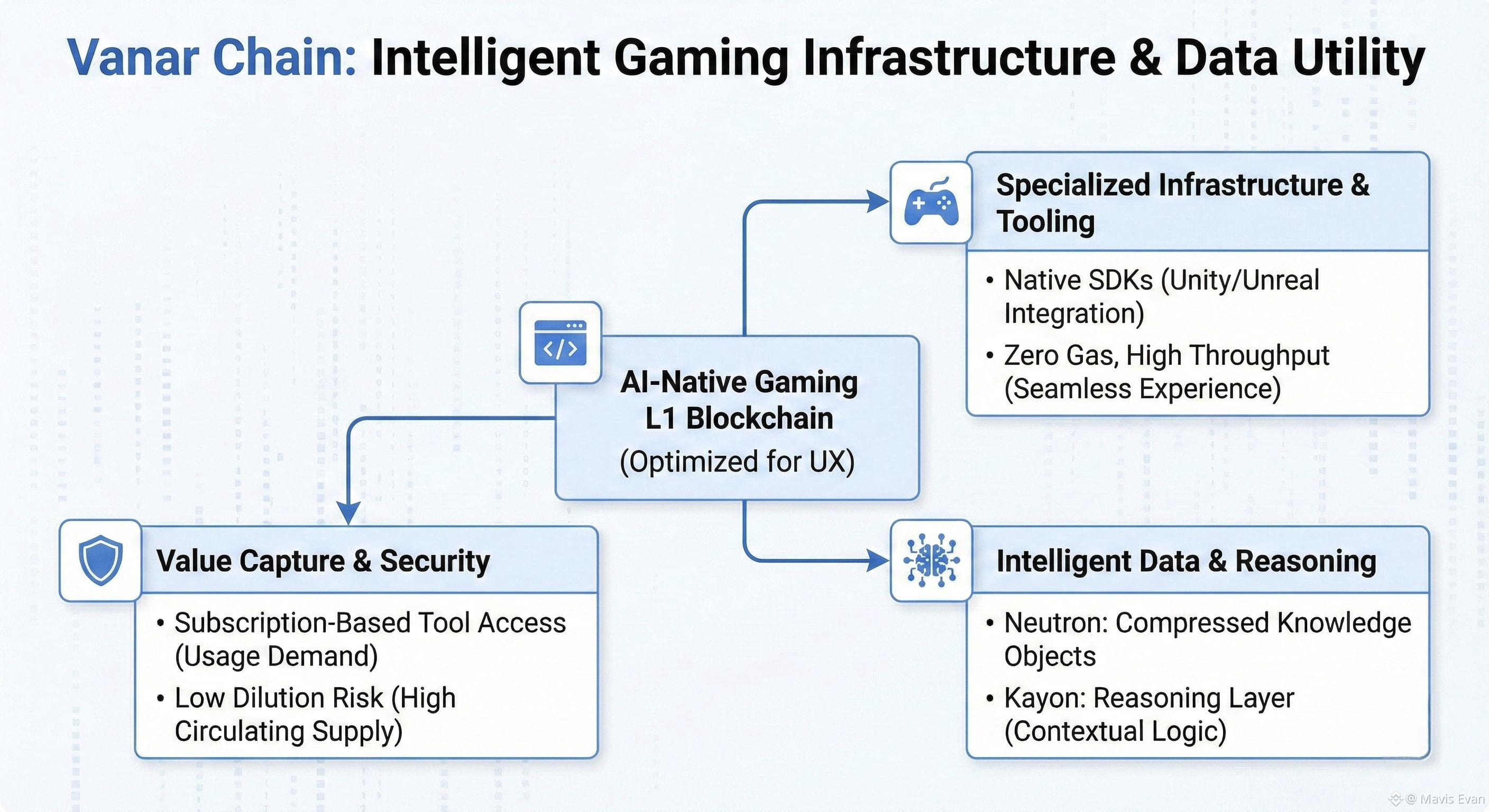
Where Vanar really separates itself is in how it frames performance. High throughput and zero gas are not marketed as flex points but as prerequisites for gaming and entertainment. If in-game actions feel delayed or fragmented, the experience breaks. Vanar’s tooling reflects that reality. Native SDK support for Unity and Unreal means developers do not need to rebuild their workflow just to integrate onchain elements. That single choice lowers the barrier to adoption more than any TPS figure ever could, because it meets developers where they already are.
The deeper shift, and the part most people miss on a quick read, is how Vanar treats data. Instead of treating the blockchain as a passive ledger, the architecture is built around making data usable. Neutron turns raw onchain information into compressed, verifiable knowledge objects. In practical terms, that means historical behavior, assets, and interactions can be referenced and understood rather than just stored. On top of that, Kayon acts as a reasoning layer, allowing applications to query context and apply logic across that data. This is the point where Vanar stops looking like a gaming chain and starts looking like an intelligent infrastructure stack.
This matters because gaming and entertainment are no longer static experiences. Modern applications adapt to users. They remember choices, adjust difficulty, personalize content, and automate responses. Vanar is designing its base layer to support that kind of behavior natively. If that vision holds, developers are not just deploying smart contracts on Vanar, they are deploying systems that can remember, reason, and react.
The token structure quietly supports this approach. With most of the supply already circulating, there is limited overhang from future unlocks. That reduces one of the biggest risks secondary market participants face: sudden dilution. More importantly, recent shifts toward subscription-based access for core tools signal that the network is trying to generate value through usage rather than speculation. When a token is required to access infrastructure, demand becomes tied to activity instead of hype.
None of this removes the risk. The L1 landscape is brutally competitive, and liquidity tends to concentrate around a few winners. Vanar does not yet have a breakout application that forces attention its way, and until that happens, it remains a high-risk bet. Infrastructure alone does not guarantee adoption. What will decide the outcome is execution. Shipping usable tools. Attracting a small number of high-quality games or entertainment platforms. Letting real usage validate the architecture.
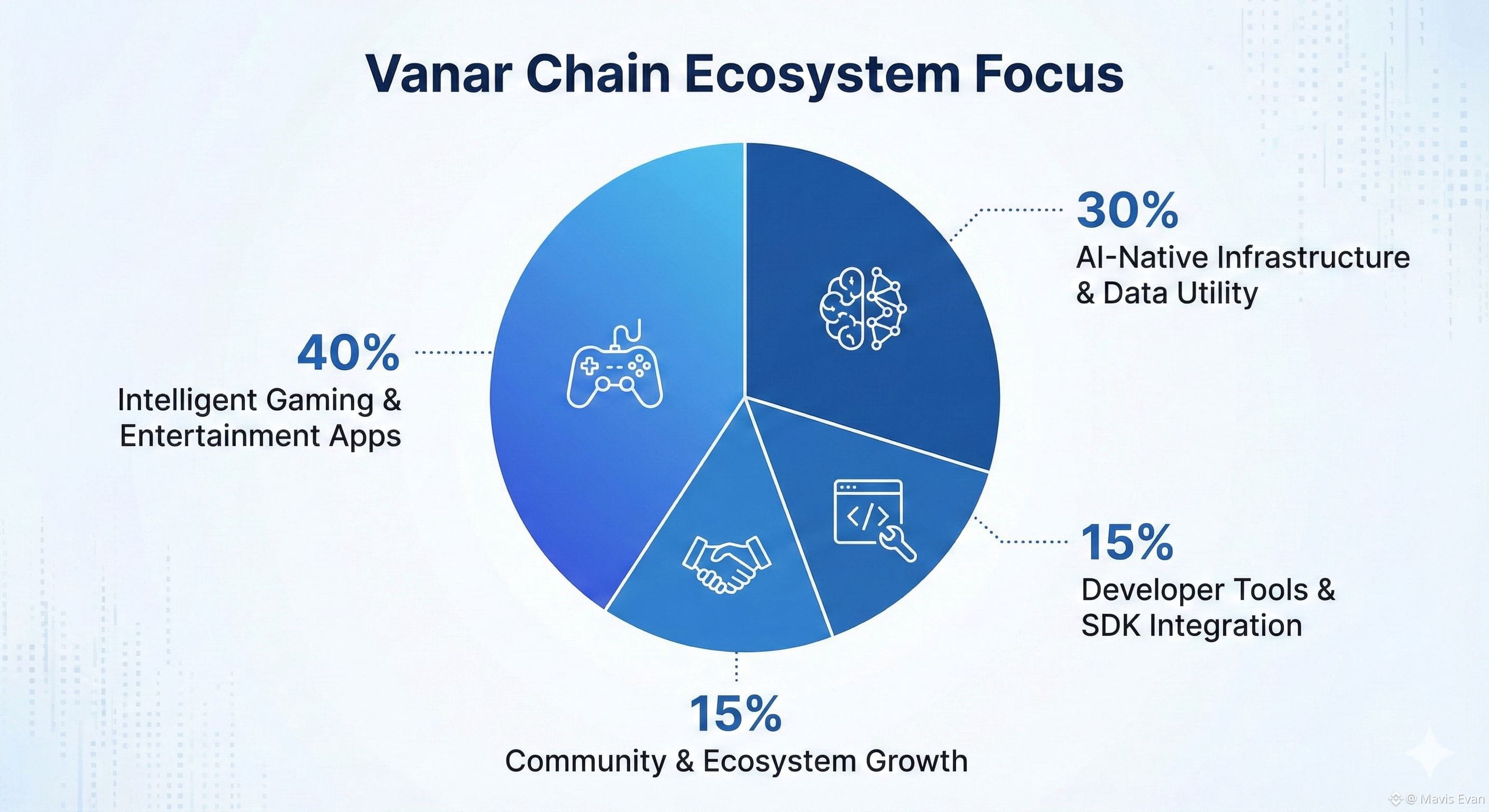
That’s why Vanar feels best understood as a “small but precise” play rather than a broad ecosystem grab. It does not need to host every DeFi primitive. It needs a handful of applications that actually use its AI-native stack in production. If that happens, the narrative stops being theoretical, and the value proposition becomes obvious without marketing.
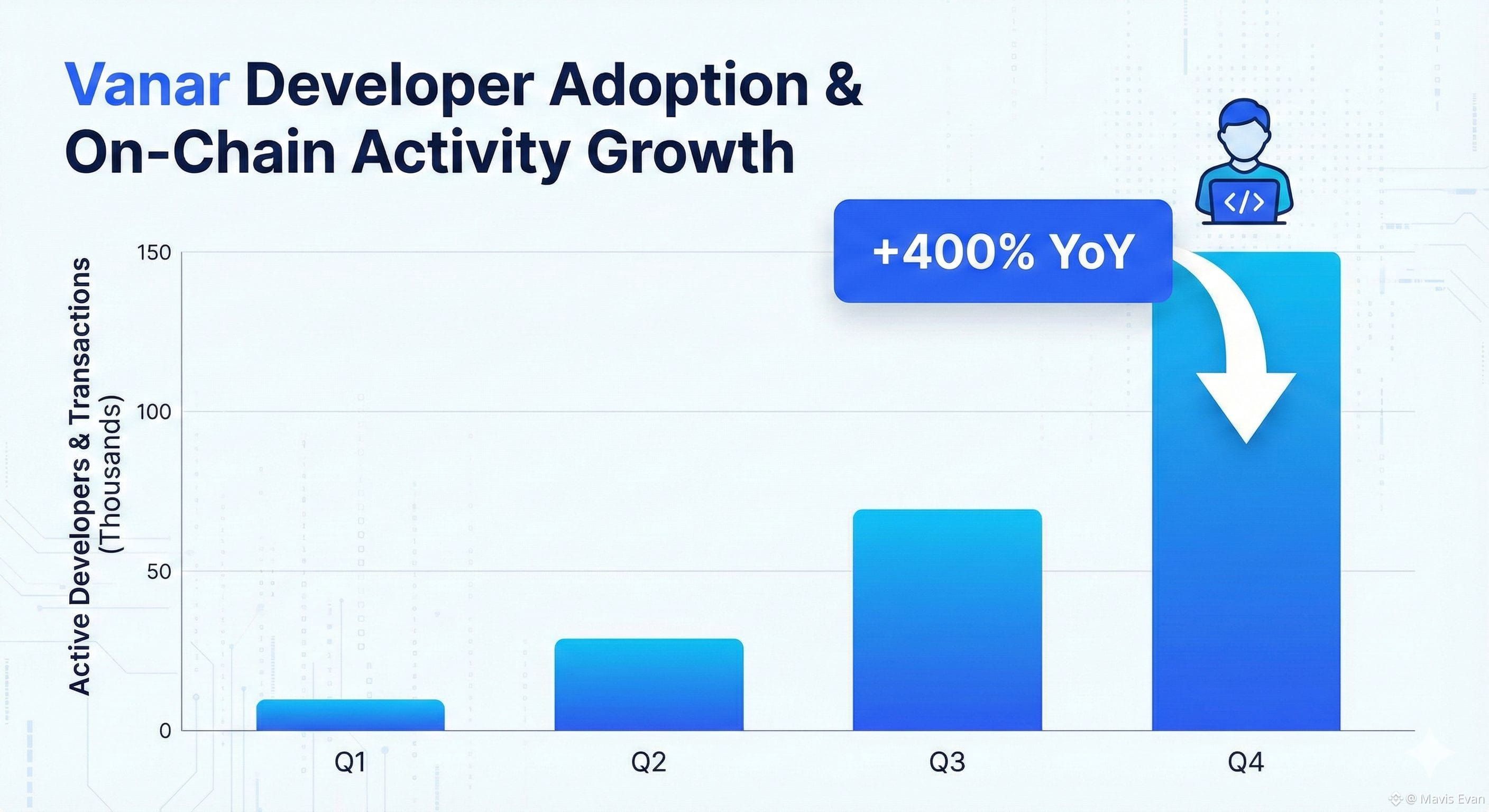
At current levels, Vanar sits in an unusual position. The price action is quiet, liquidity is still present, and development has not stalled. For many retail participants, this is exactly the zone where asymmetric opportunities form, not because success is guaranteed, but because failure is already priced in. Watching GitHub activity, developer engagement, and real application launches will tell you far more than watching short-term charts.
Vanar is not trying to shout its way into relevance. It’s trying to build something that works even when no one is looking. In a market that often rewards noise, that kind of quiet execution is easy to miss. Sometimes, that’s also where the most durable infrastructure ends up coming from.
