
Identifying a trend change is one of the biggest challenges in trading. Entering too early means getting stopped out by noise. Entering too late means missing out on a good part of the movement. The real differential lies in finding the balance point: neither too early nor too late.
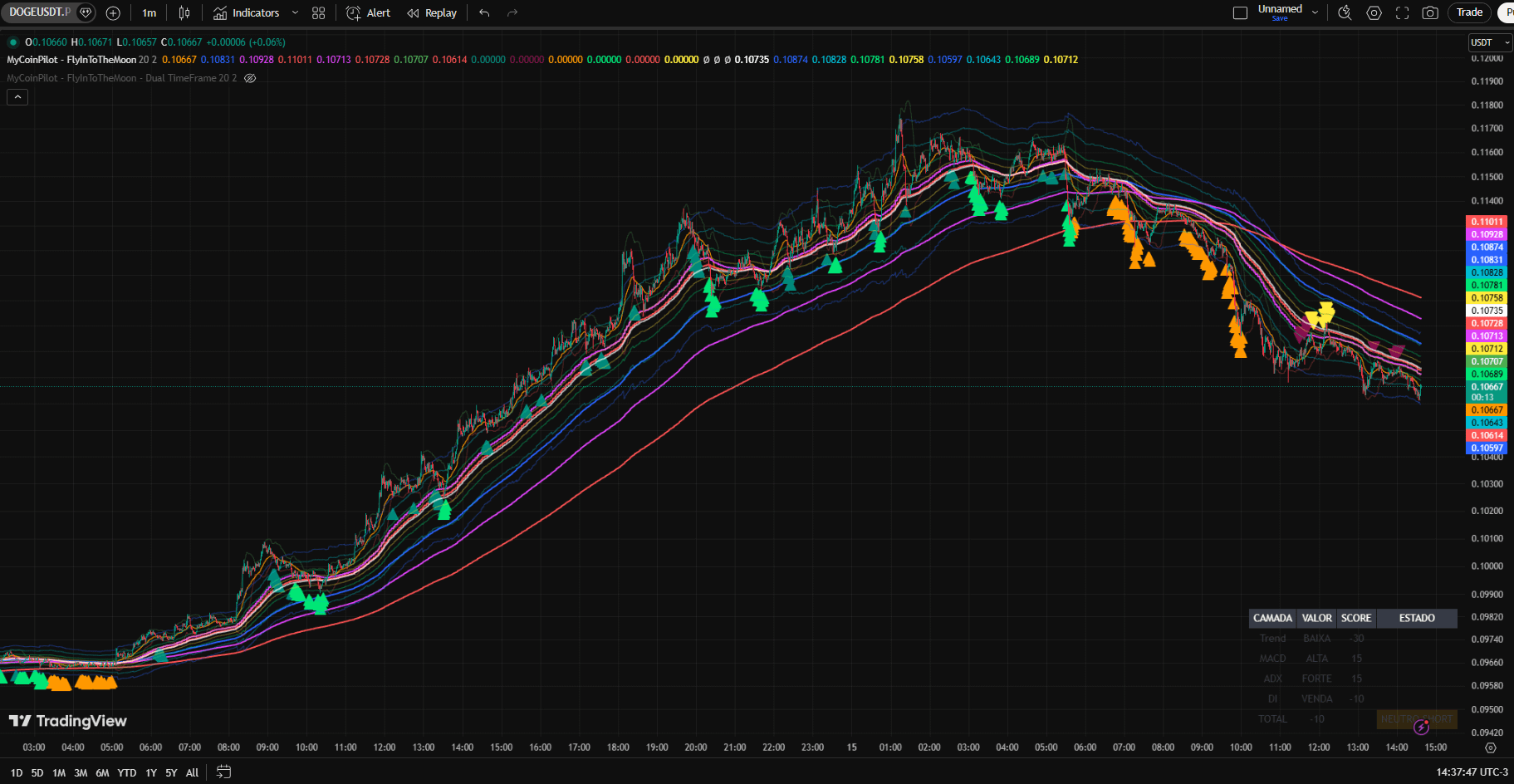
The key to this lies in the speed of the indicators and the reading across multiple time frames.
Fast indicators capture microstructures and anticipate possible turnarounds. Slow indicators filter noise and confirm the prevailing trend. When correctly combined, they create a system capable of anticipating transition zones while protecting capital.
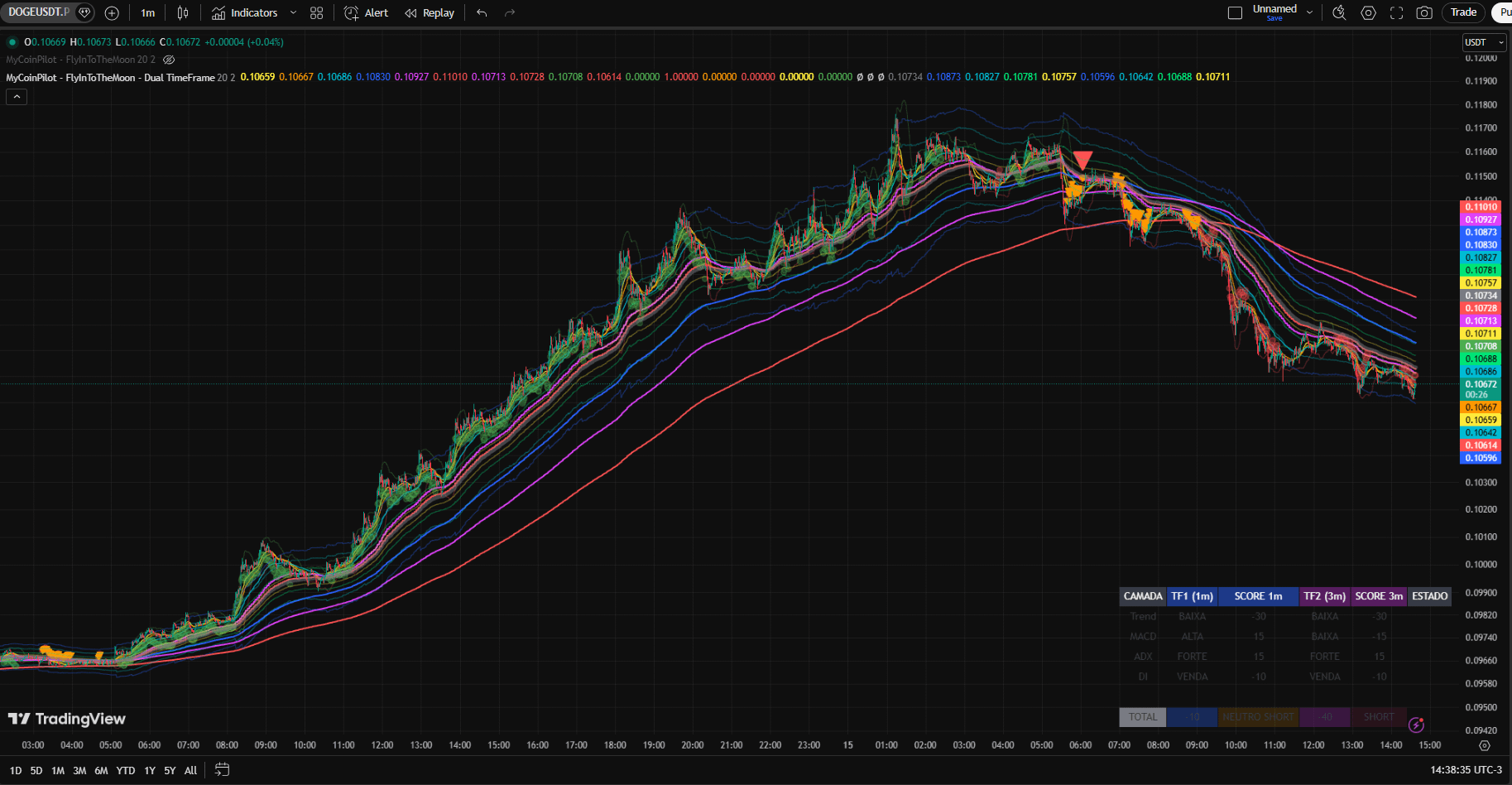
In practice, this allows for working with hybrid strategies of hedge + pyramid.
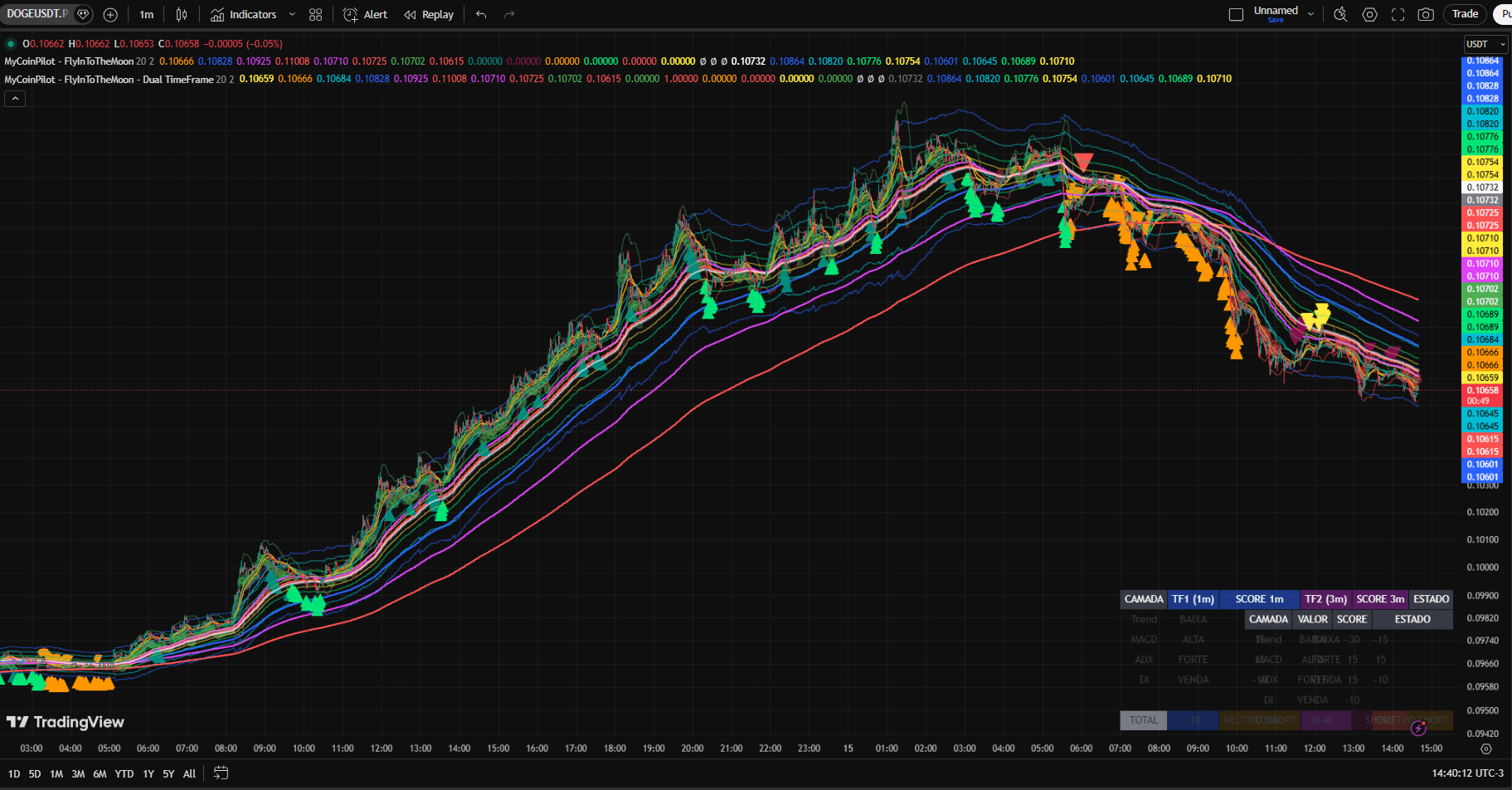
When a possible reversal signal arises, it is not necessary to immediately close the main position. Instead, a smaller opposite position (hedge) is opened. Thus, the risk is controlled while the market 'decides' its next move.
If the reversal is confirmed, the hedge grows and the old position is gradually closed.
If the move fails, the hedge is closed with minimal loss and the main trend remains intact.
FARTCOIN
Only possible reversals Main trend
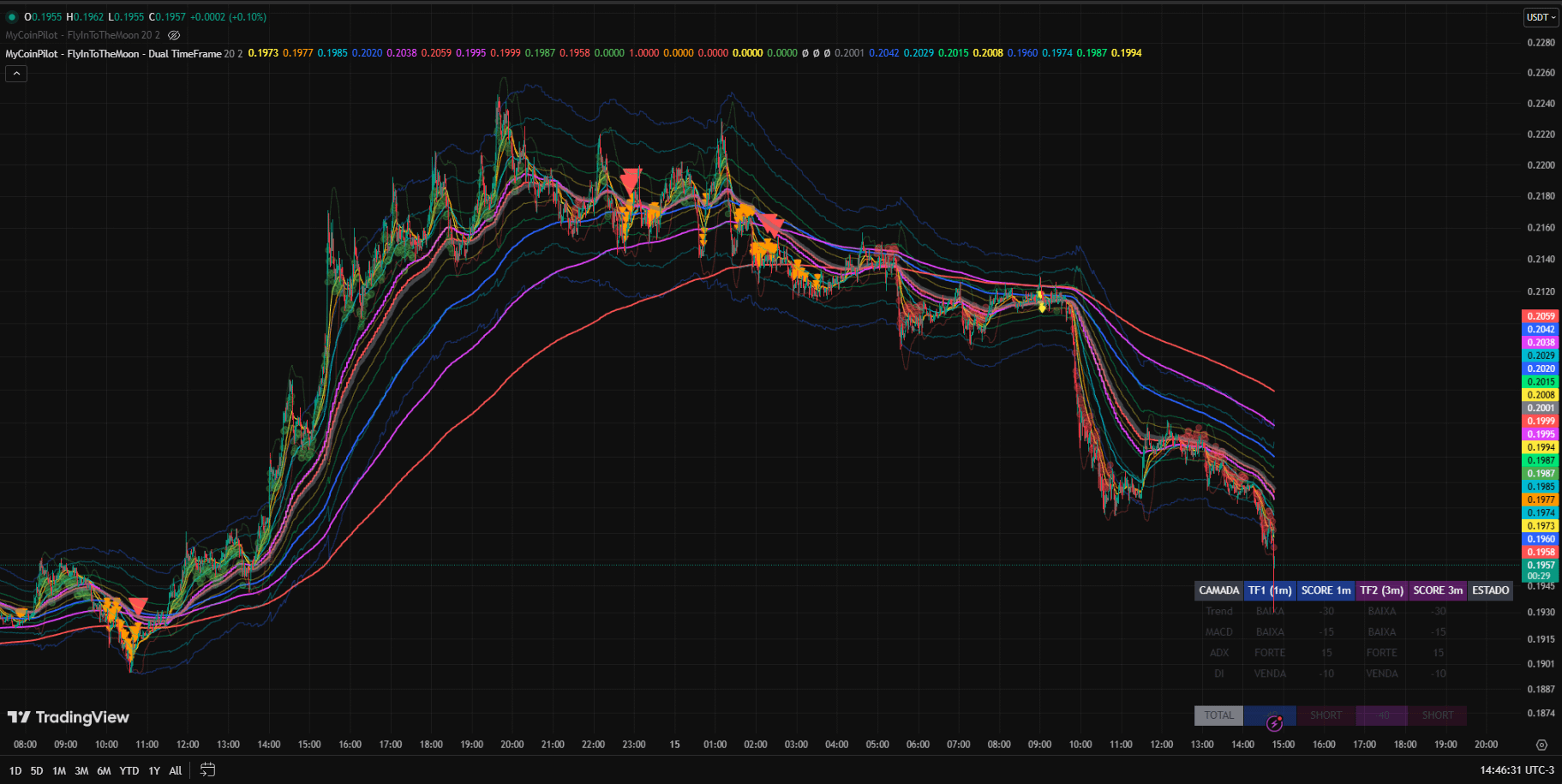
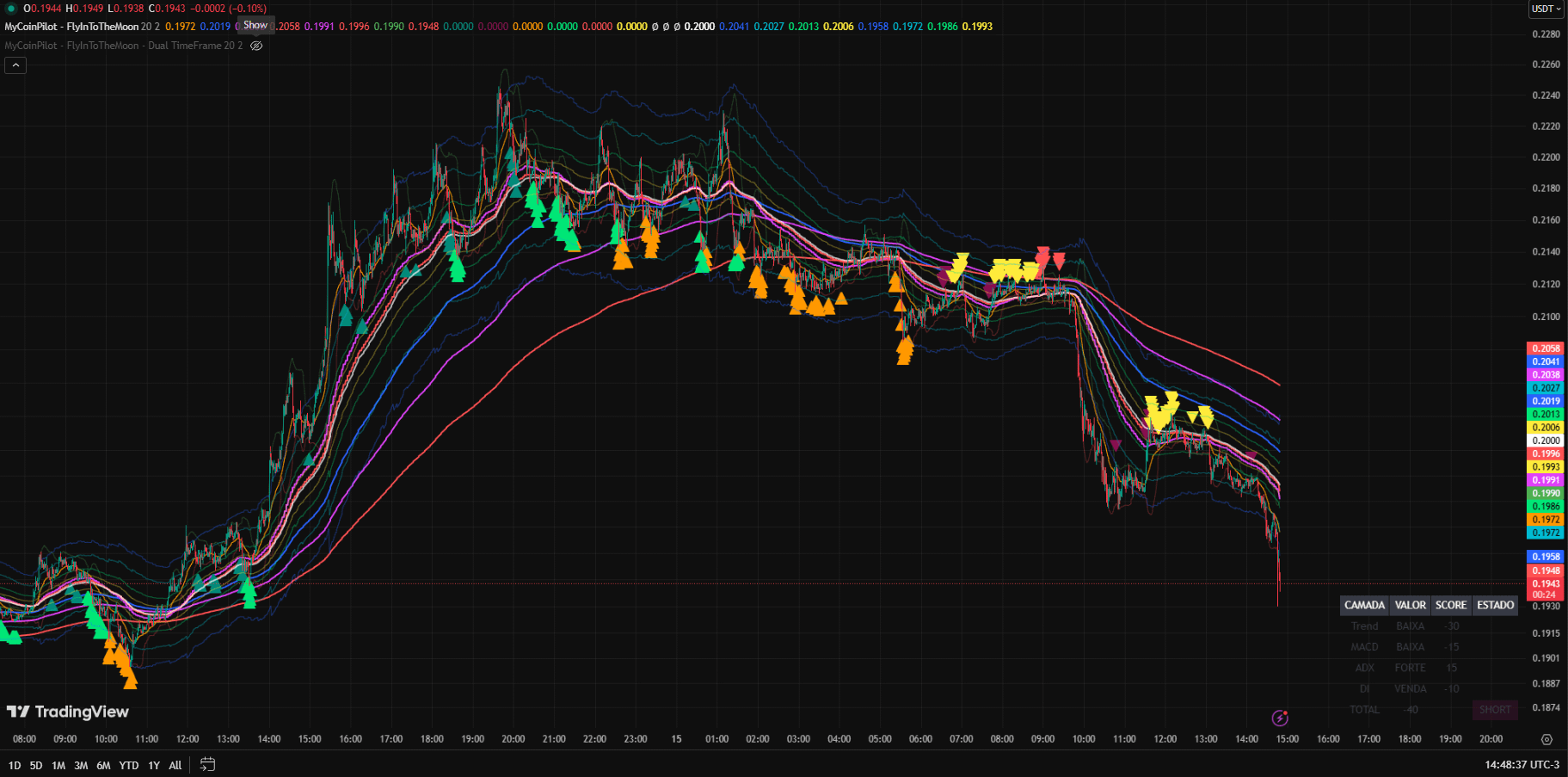
This model creates three major advantages:
Reduction of the impact of false signals
Protection during transition periods
Ability to pyramid in real trends with controlled risk
ETH
Only possible reversals Main Trend
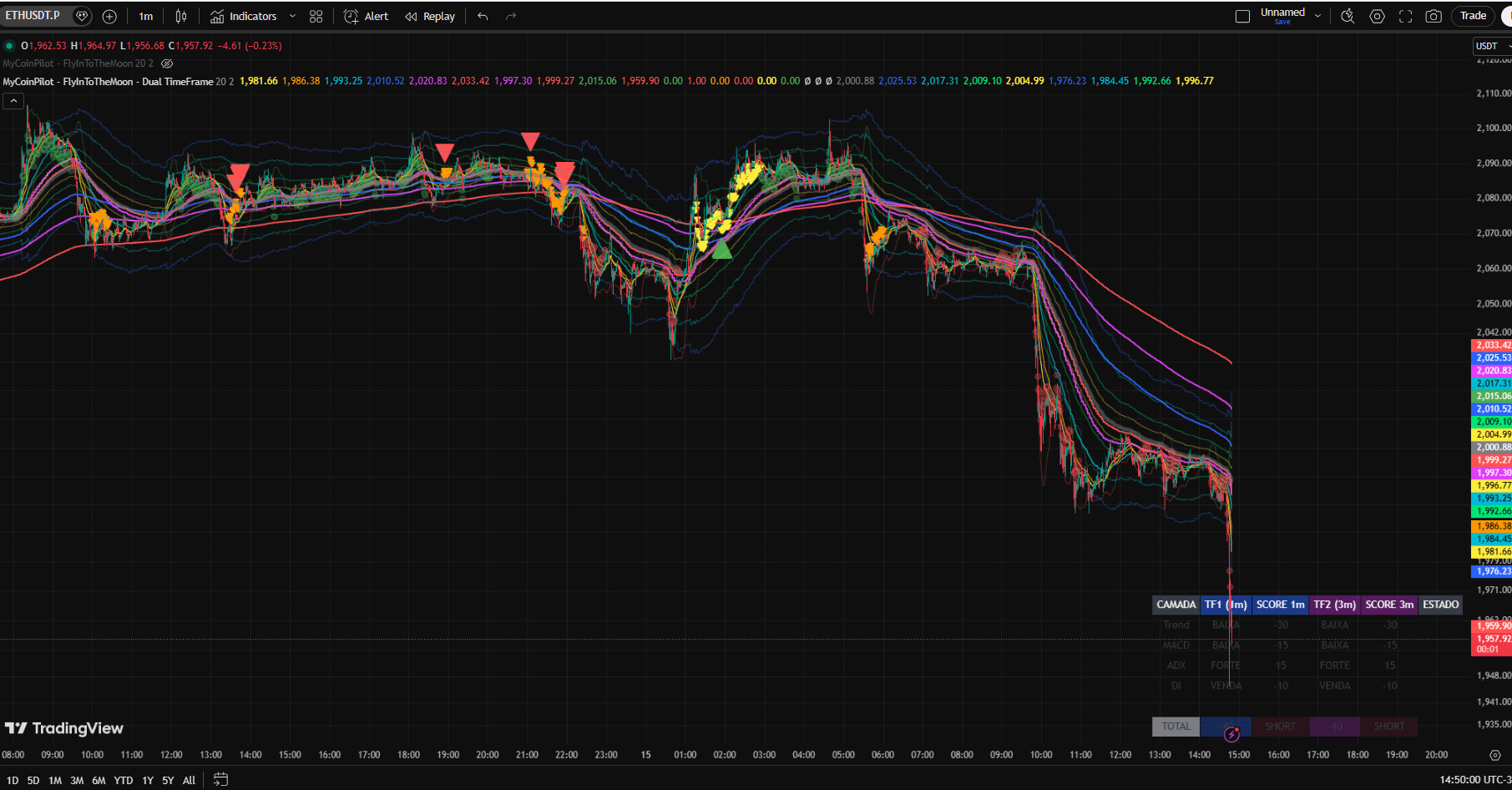
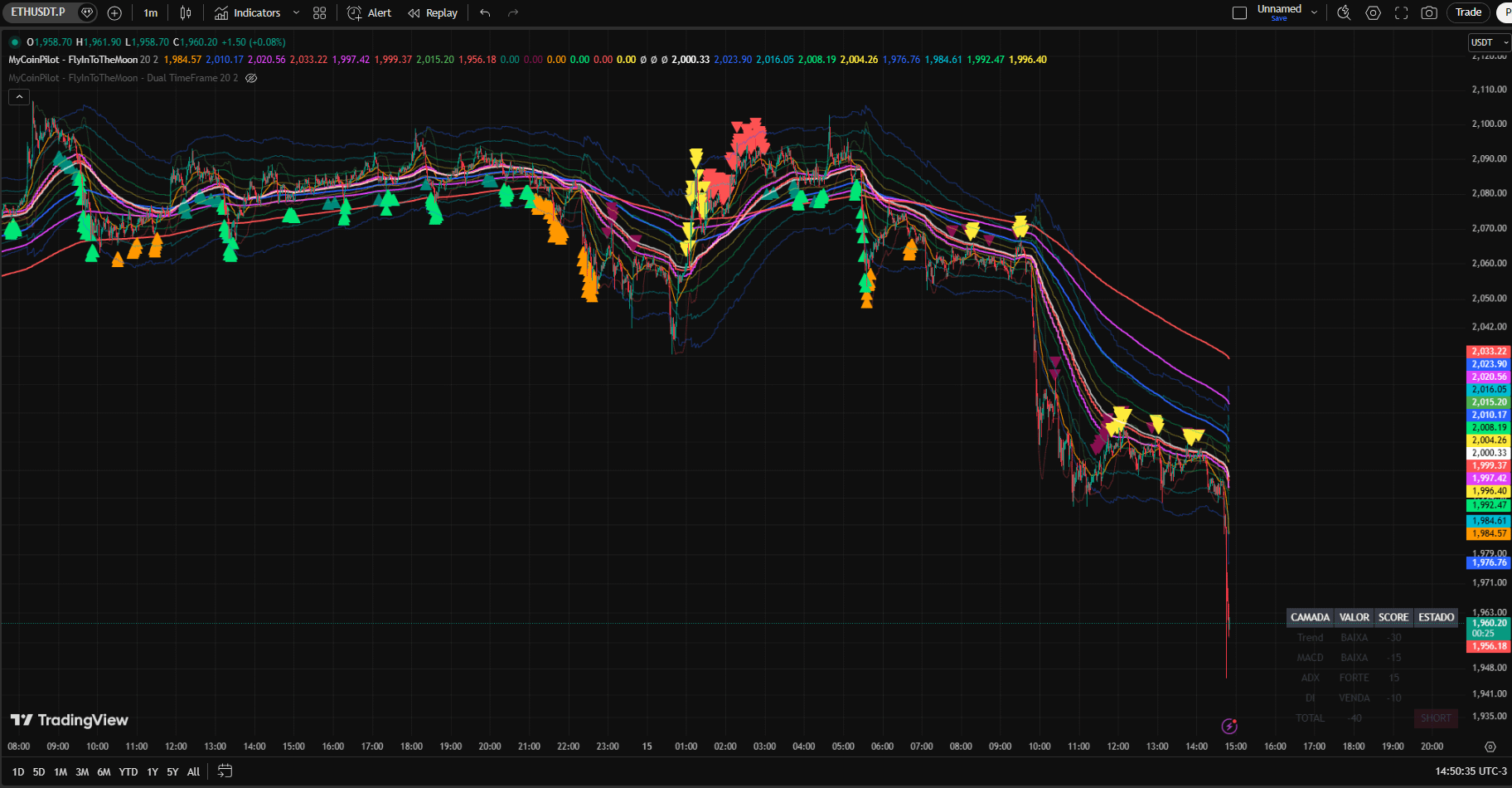
Furthermore, reading across multiple time frames allows for clear separation:
Microstructure noise
Healthy pullbacks
Real reversals
Management is no longer based solely on fixed stops and becomes oriented by market regimes, volatility zones, directional strength (D+ / D-) and price acceleration.
Only possible reversals Main trend
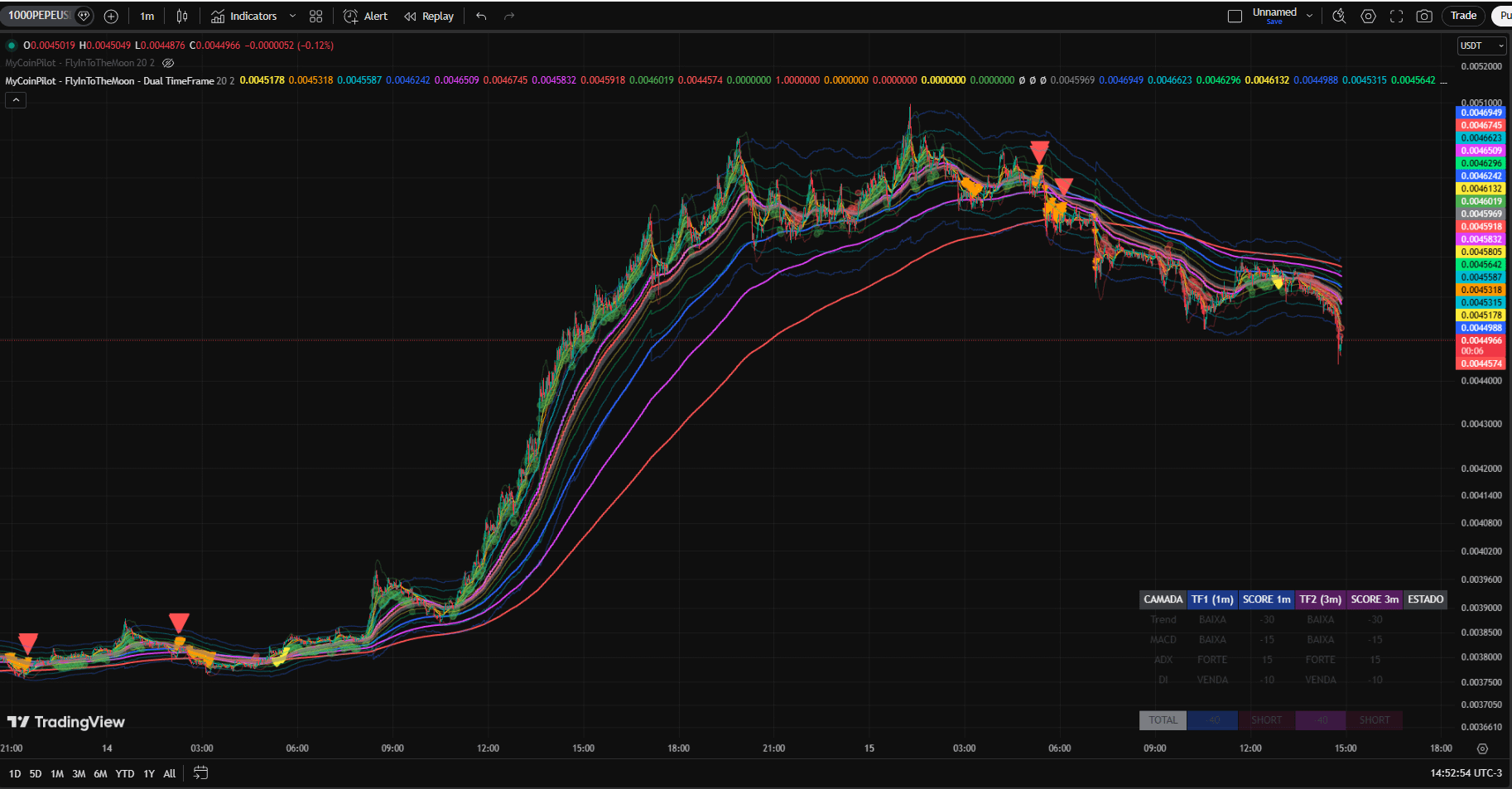
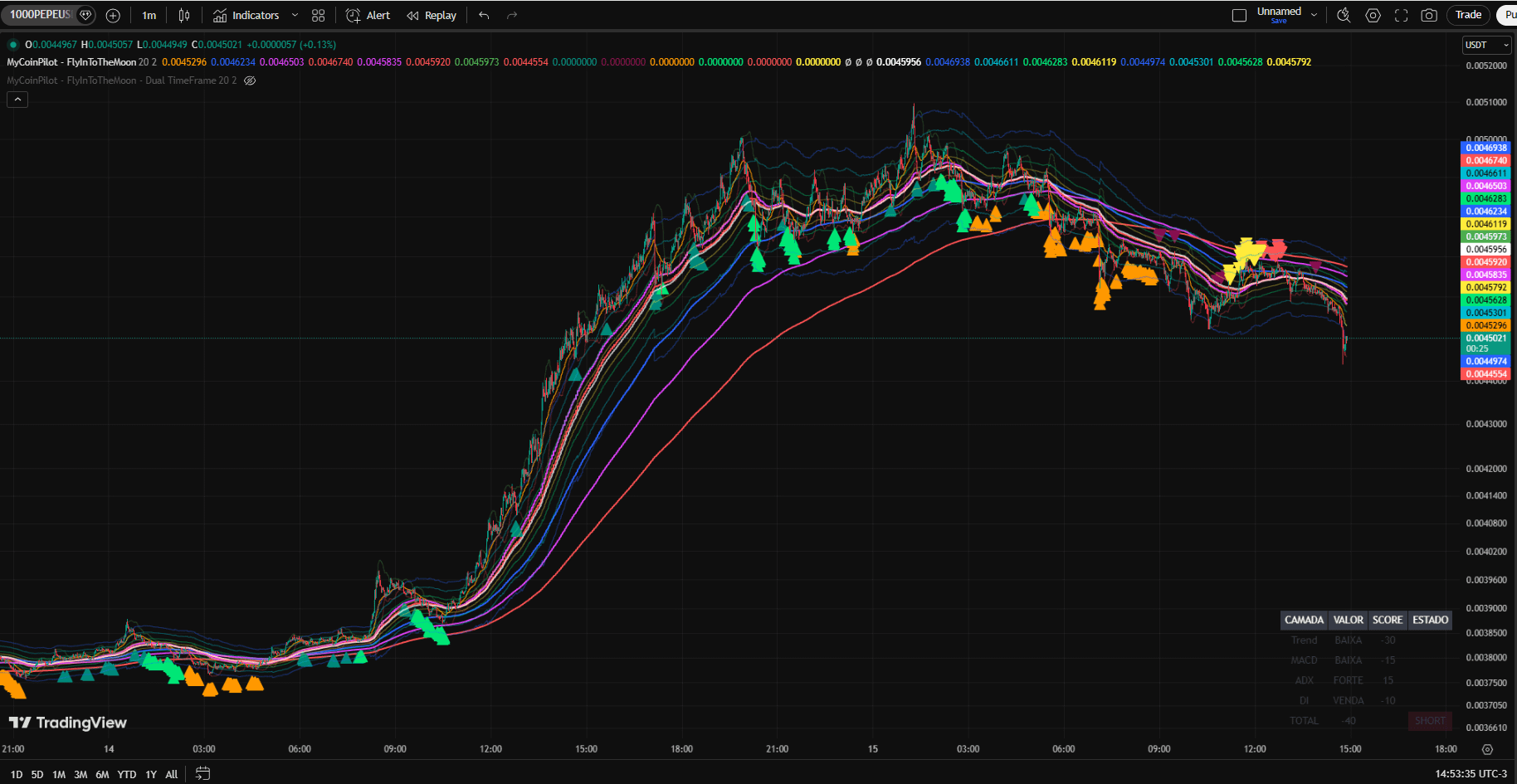
The result is a smoother operation, where two positions can coexist temporarily until the market delivers the definitive confirmation.
Modern trading is not about predicting the future.
It's about adapting faster than it.
Speed, context, risk management, and multi-frame reading transform the chaos of the market into statistical probabilities in favor.
And when you combine all this with automation, algorithmic discipline, and precise execution, the game changes completely.
The market doesn't warn when it's going to turn.
But it always leaves traces.
It is up to us to learn to read them.