
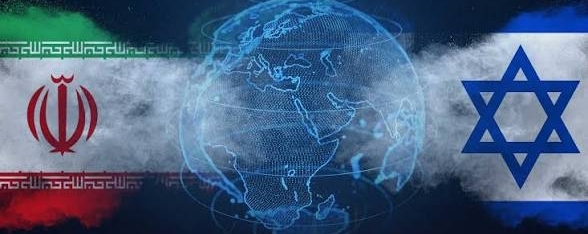
🌍 Iran–Israel Conflict: A Growing Storm in the Middle East (2026)
The long-standing tension between Iran and Israel has once again taken center stage, raising global concerns about stability, security, and the risk of a wider war. What was once a shadow conflict—fought through cyberattacks, intelligence operations, and regional proxies—has now evolved into a more direct and visible confrontation.
At the heart of this conflict lies deep political, ideological, and strategic rivalry. Iran has consistently opposed Israel’s policies and influence in the region, while Israel views Iran’s growing military capabilities, especially its nuclear ambitions, as a serious threat to its national security. This mutual distrust has shaped years of hostility, making any chance of peace extremely fragile.
The situation has been further complicated by alliances on both sides. Iran maintains strong ties with various groups across the Middle East, extending its influence beyond its borders. Meanwhile, Israel continues to strengthen its defense systems and international partnerships, particularly with Western powers, to counter potential threats.
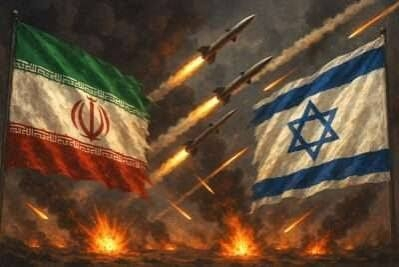
Beyond the battlefield, the impact of this conflict is felt worldwide. Rising tensions between Iran and Israel have created uncertainty in global markets, especially in energy sectors, as the Middle East remains a key supplier of oil. Political instability in the region also affects neighboring countries, increasing fears of a broader regional crisis.
Despite repeated calls for dialogue and peace, the path forward remains unclear. Diplomatic efforts face significant challenges due to deep-rooted mistrust and conflicting interests. As a result, the Iran–Israel conflict continues to be one of the most critical issues shaping global geopolitics in 2026.
In a world already dealing with economic and political challenges, this ongoing rivalry serves as a reminder of how fragile international peace can be—and how quickly tensions can escalate into something far more serious.$BTC $BNB