
I'm done with these two old school traders. There's barely any money in the crypto scene, and they somehow squeezed out over a hundred million dollars. Shoutout to the brothers who reported these two.
The rain in Singapore in May clings to the glass, turning the neon outside into a blurred glow, just like the narrative bubbles in this space that never seem to burst. I'm sitting on the carpet of my hotel room, downing the last sip of iced Americano, and then I hit the 'clear out' command on my trading terminal. Watching the numbers in my account finally stop bouncing up and down with the candlestick charts, I feel that heavy stone weighing on my chest for the past two weeks finally drop.
Right now, the whole scene is losing its mind over decentralized AI, with everyone yelling about breaking the monopolies of giants to achieve data equality. As if just keeping your old laptop running would let you effortlessly grab a piece of the future AI revolution. This nonsense only fools the newbies who can't even back up their private keys. Us veteran traders who’ve crawled out of the bloodbath don’t buy into the myth of changing the world anymore. We only care about where the chips are and where the money flows.
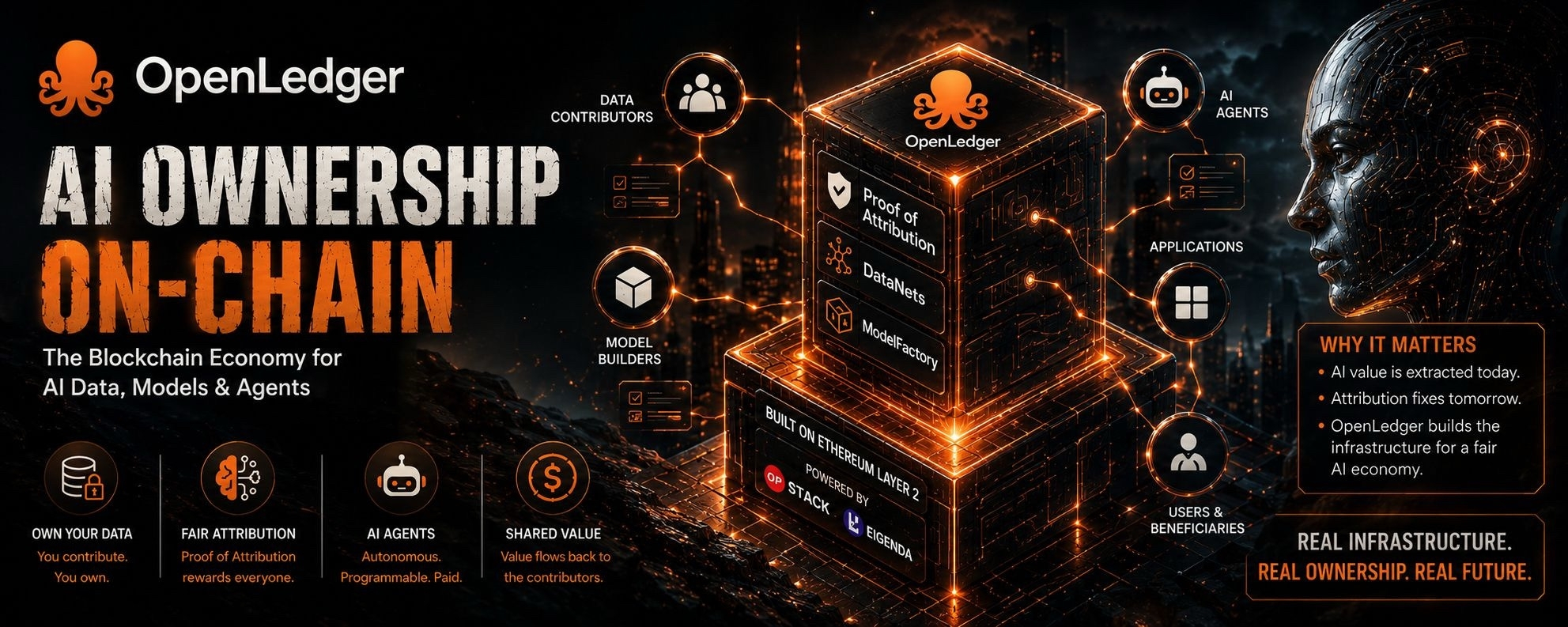
A lot of people are fooled by the geeky romanticism of OpenLedger, thinking it's some revolutionary game-changer for the industry. In reality, it's just a meticulously designed top-tier pig farm. Those early movers with institutional capital have already gobbled up the best pens. They’re producing standardized data around the clock using professional data centers and automated scripts deployed globally. Meanwhile, retail traders who are stuck grinding on their old computers at night are like little pigs fighting over scattered crumbs, thinking they’re helping train the next super AI. Little do they know that the meager data they generate from their electricity costs and hardware depreciation is packaged and sent to the upper-tier institutional consortiums, becoming fodder for others' model iterations, while they can't even get a hot soup.
The smartest thing about this pig farm is its feed delivery system, which is completely controlled by the project team. They call it dynamically adjusting reward weights based on data quality, but really, they change the rules however they want. Once too many retail investors dilute the whales' earnings, or if a professional studio comes in to farm rewards, they immediately lower the network's output coefficient, leaving the honest retail traders unable to even cover their electricity costs. This maneuver can stabilize the coin price in the short term, but the cost is shifting all systemic risks onto those who genuinely believe in the story. You think you’re playing against cold algorithms, but you’re actually up against a group of people who set the rules. From the moment you enter, the outcome is already decided.
I was just hanging around, so I whipped up a little script to simulate a hundred extreme sell-off scenarios. Turns out, this so-called liquidity moat is as weak as a piece of tissue paper that you can poke a hole through. As soon as a tenth of the nodes trigger unstaking and withdrawal commands simultaneously, the entire ecosystem's funding pool gets drained in an instant. The anti-cheat system they hype up is completely useless when faced with real technical opposition. If someone is willing to put in a bit of effort, they can bypass all the rules and farm rewards in bulk. In the end, it's always the retail investors with asymmetric information who foot the bill.
Objectively speaking, the operation team behind this project is indeed top-tier in the industry. They’ve got retail investors' greed and fear figured out perfectly. Every so often, they drop a new piece of good news, whether it's a partnership with some big-name model or the launch of a new flashy feature, perfectly pumping the price before each major unlock event, making those retail traders who just got out of their positions jump back in. They use various staking mechanisms to lock up a ton of chips in the ecosystem, artificially extending the game’s lifecycle. But no matter how many tricks they pull, at its core, it’s still a zero-sum game supported by narratives with no real internal cash flow; all profits come from the principal of newcomers.
I’m not saying OPEN will zero out tomorrow. As long as there's belief in the decentralized AI narrative, this game can keep going, and it might even pump to levels that make you question your life. But you need to realize that what you hold isn’t a ticket to change the world; it’s a pass to a pig farm that might expire at any moment. When the tide goes out, the first pigs to be slaughtered are always the slowest ones. In this hellscape filled with lies and bubbles, guarding the cash in your pocket is always way more important than chasing after those elusive beliefs.