
29/10/2025 HEMI Article #24
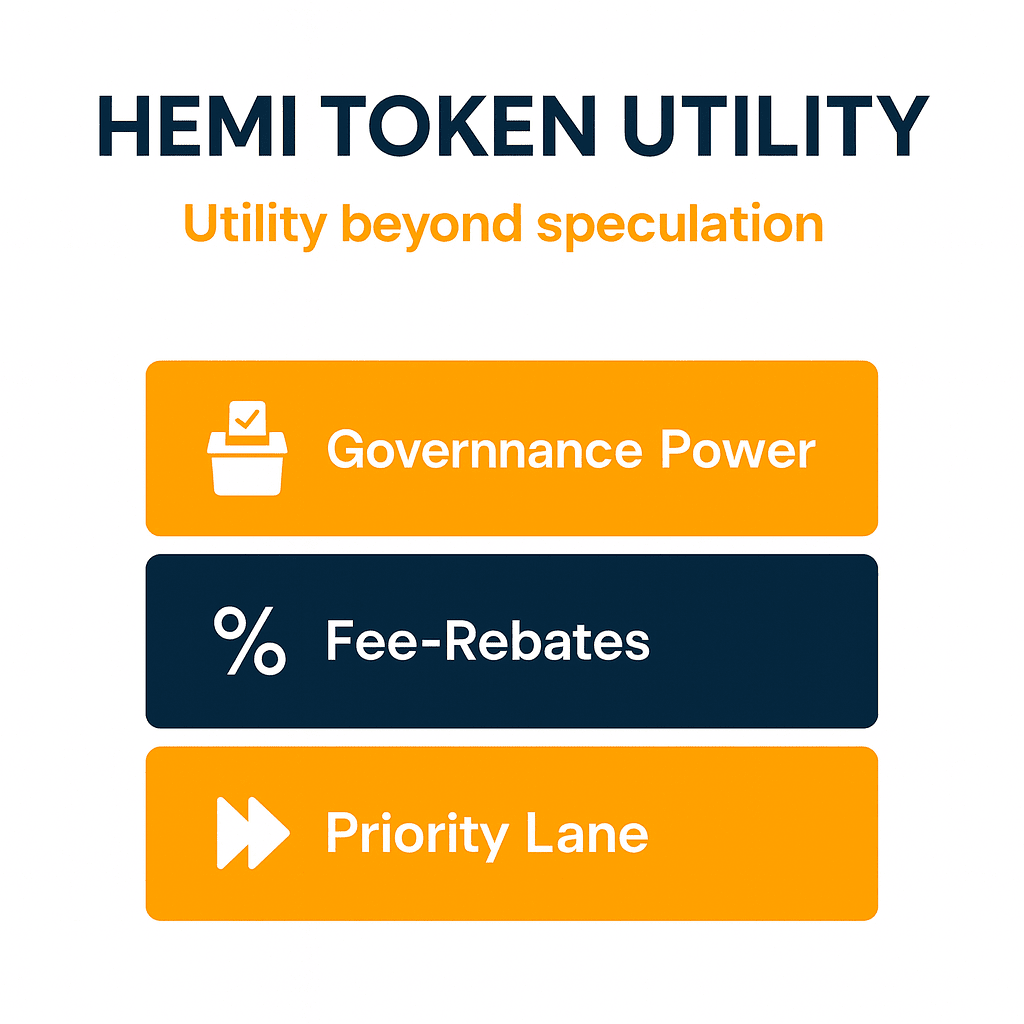
HEMI has established itself in a unique way, not just as a trading asset but as a token with real utility. This token plays an active role in the platform's day-to-day operations through network governance, fee rebates, priority lanes, and developer incentives. In this article, we will explain the structure of HEMI token's utility, the benefits and risks from the investor and user perspectives, and the practical implications in contemporary and clear language.
Structure of the token and key use cases:
HEMI's tokenomics framework is designed such that the token moves beyond just holding to being part of network operations. The main use case includes governance voting, allowing holders to decide on proposals, pay network fees, and receive fee rebates, along with gaining priority at the gas level in some cases. Additionally, ecosystem grants, developer incentives, and security bounty programs further strengthen the real-world use of the token.
Practical meaning of the utility matrix:
The token hold-based priority model works like an airline loyalty tier - higher tiers receive more priority, more discounts, and more governance power. This promotes active usage and network engagement, as the real benefits of tokens are directly linked to platform usage. This alternative model differs from those projects where the value of tokens is only tied to market speculation.
User and investor perspective:
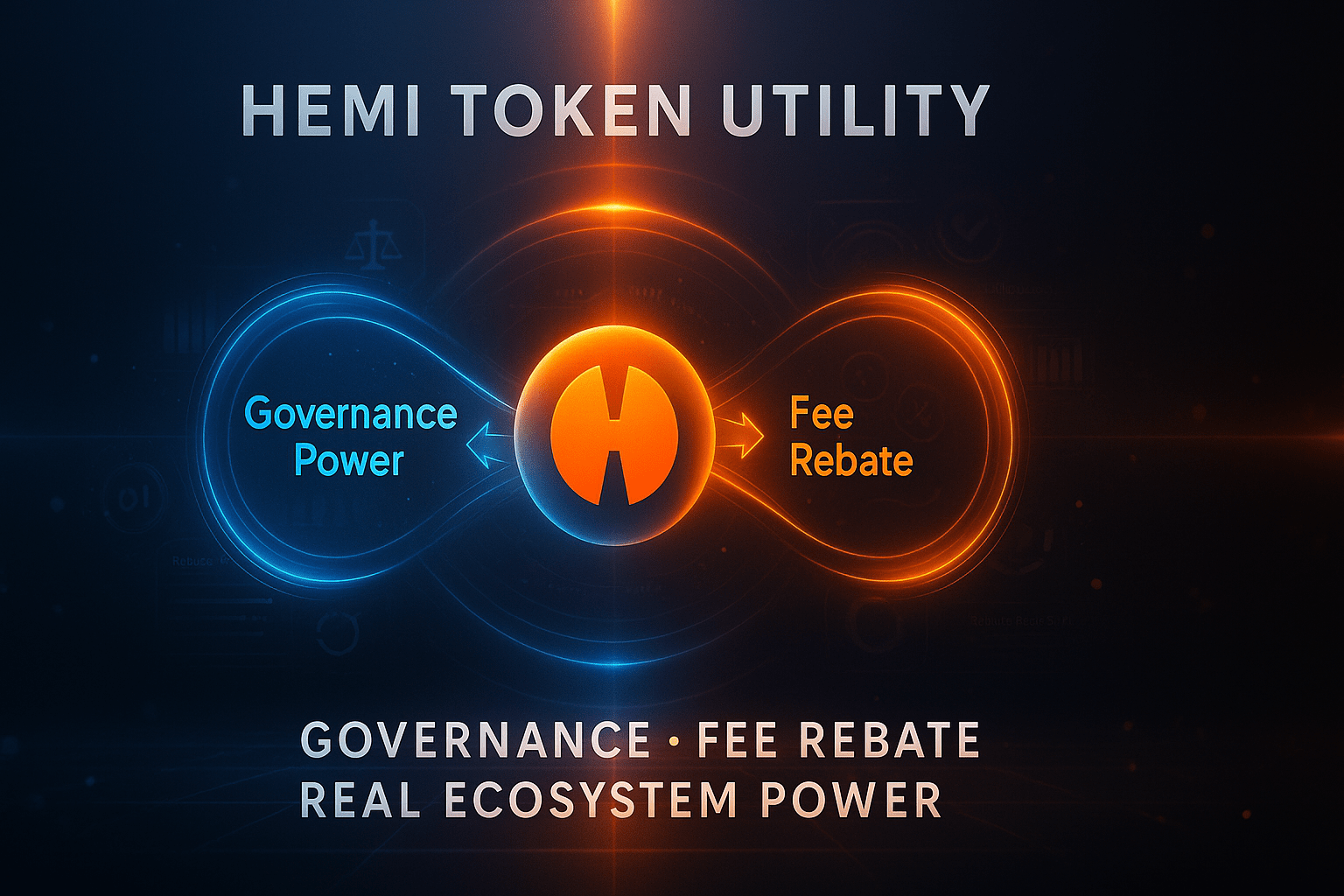
Clear benefits for holders include participation in governance, fee rebates, and priority on network services, enhancing UX. For developers and LPs, token incentives mean funding and ecological support, which can attract builders. On the other hand, risks include that if actual usage and traction do not grow as expected, the value of token-based privileges may diminish. Therefore, a critical assessment of the token's use matrix, adoption trends, and team growth incentives is vital when making investment decisions.
Practical Framework - Who gets what:
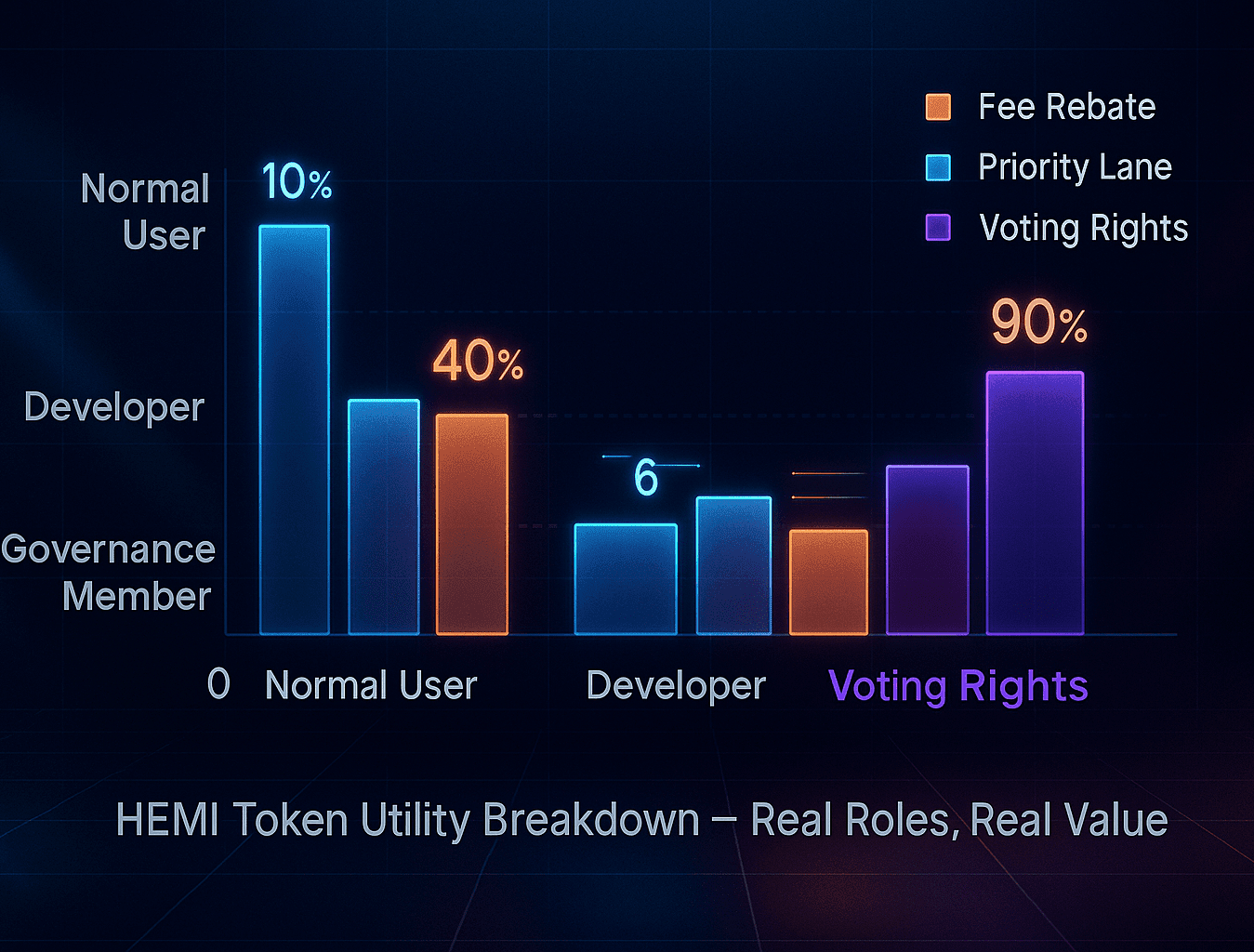
@Hemi The utility matrix is fundamentally focused on three roles: regular users who receive fee rebates and priority through holding; developers and LPs who receive grants and liquidity support for building; and governance members who have the right to propose and vote. Thus, the use of tokens for each role is kept clear and targeted, making the token ecosystem cohesive and practical.
Business and regulatory aspects of the token model:
A practical token model only lasts if it has transparency, distribution policies, and a transparent roadmap.$HEMI A clear roadmap, audited smart contracts, and a token release schedule are crucial to maintain holder confidence. Additionally, regulatory uncertainties should be taken into account when designing token governance and fee policies to ensure long-term stability of the platform.
Why this model is relevant today:
Due to increasing competition in the DeFi space and the visibility of the hype around token models, the emphasis on actual utility has grown. HEMI aims for token value to arise from use cases, not just market uplift. This shift means that studying projects like HEMI is becoming increasingly relevant for content creators, influencers, and tech analysts as they bridge the gap from technical features to direct economic utility.
Conclusion:
The HEMI's "Utility beyond speculation" approach turns the token into an active tool for platform operations. Use cases such as governance, fee rebates, and priority lanes present real benefits for both token holders and builders, but the sustainability of these benefits will depend on adoption, transparency, and sound governance practices. If network usage and the developer ecosystem grow at the expected pace, the HEMI token could set a new standard in the realm of utility.
Stay connected with IncomeCrypto for more information about this project.


@Hemi $HEMI #Hemi #HEMIUtility #CryptoGovernance #TokenUseCase