
From my own experience, making money from trading cryptocurrencies is the easiest and fastest! Let me introduce myself. I was born in 1987 and entered the crypto world in 2013. I really started to enjoy it in 2015, and in 2017 I hit a big bull market, earning my first 10 million right from the start. Later, I became careless, lost all the money I earned, and even wiped out my parents' hard-earned savings of over 3 million. I also borrowed 5 million from relatives and friends to trade, and I lost all of it too, paying my tuition to the market, ending up losing over 8 million in total.
The whole family is almost facing collapse. My beloved husband has been arguing with me every day about this, threatening divorce. With such great pressure, I have thought about jumping off a building a few times. Fortunately, my willpower remained strong at the time, and I felt I could earn it back!
After a few years of adjustment, I began to quit my job to trade cryptocurrencies. I swore to my husband that if I couldn’t make back my losses... After that, I fully immersed myself, summarizing my previous mistakes and observing the thoughts and techniques of trading experts. Finally, I began to stabilize, turning losses into gains is truly not easy! The account started to recover, combining contract and spot trading, not blindly rushing in and out, but making good plans for the account. A combination of short and medium term is the best for compound interest!
Later, I secretly borrowed 200,000 from my in-laws while hiding it from my husband. I spent two years turning that 200,000 into a net worth of millions. Since then, my husband has looked at me differently. From the moment I started making money, I became strong, and my husband became like a good boy, obedient to me!
Based on my own experience, divided into four stages, the first stage (2016-2017). The ignorant are fearless, making money until losing their minds.
I entered the crypto space in 2016 (the first contact was in 2013), coinciding with the bull market of 2017. With a capital of 100,000, it peaked over 10 million. Two cryptocurrencies left a deep impression on me: one is GXChain (GXS), where I participated in the private placement of 2 BTC when BTC was at 6,000 each, and the opening price was 3 million. The other is AntShares (later renamed NEO), where I bought 10,000 coins at one yuan each, which peaked at over 1,000, making it over 10 million. Then I became arrogant, thinking I was invincible, and thought about setting a small goal to earn one billion. Once I made a billion, I would stop trading. Then... then it turned into a story of 'a person full of desires, feeling invincible, being taught a profound lesson by the market.'
Second stage (2018-2019). Reflect on oneself and start anew.
In 2018, the market entered a downward cycle. Watching my hands full of altcoins and a bleak future, my mood fell to the bottom, and I would curse myself as an idiot every day. But the market will not open a backdoor for your pain. So this stage is more about reflecting on oneself and understanding the market. After a period of adjustment, I realized two truths. First, no one is better than anyone else; we are all ordinary people. The reason I made money in 2017 was not because I was better, but simply because the market was too good, and I was lucky enough to be on the trend, to put it bluntly, I was a pig on the wind, and taking off was inevitable. The second is about control over funds. Small funds have their own way of playing, and large funds have their own way of playing; you cannot play large funds with a small fund mindset, or else you will die a terrible death. Once I figured this out, I tidied up my emotions and started reassigning the chips in my hands, clearing most altcoins and replacing them with BTC, ETH, and USDT.
Third stage (2020-2021). Reasonable allocation, timely profit-taking.
After a complete cycle of bull and bear, one's mindset is relatively calm. Moreover, the crypto space has entered another upward cycle, so assets are continuously appreciating. At this time, what I do more is probably to take profits and keep reallocating. Therefore, relatively speaking, it is not as intense as the year 2017. Perhaps it is because I am older, I feel that simplicity and tranquility are the true essence.
Fourth stage (22-?). Cultivate internal strength and believe in the future.
I am convinced about the future of the crypto space; surpassing previous highs is inevitable. Right now, we just need to do one thing, do not leave the market, and persist in holding quality assets. In the future, there will definitely be a bountiful harvest.
If you want to trade cryptocurrencies for a lifetime but do not understand technology and can’t find a suitable trading method, you might as well try this 'foolproof' operation, simple and practical. Even if you are a new investor, you can operate easily with over 80% accuracy. This method can be used for buying and selling in the crypto space! It is recommended to save it.
Is it difficult to make money trading cryptocurrencies?
If you haven't found a method, it can indeed be very difficult. However, if your method is right, you will find that making money is so easy.
Today, I want to share a method with you that is actually very simple. Even if you are a novice in the crypto space, as long as you strictly follow this method, you can easily make money.
First, we need to set the moving averages on the candlestick chart to three lines: the 5-day moving average, the 15-day moving average, and the 30-day moving average. The 30-day moving average is the lifeline, a strong support or resistance line. Then, you can trade the cryptocurrencies based on these three moving averages.
1. The selected cryptocurrency must be in an upward trend; of course, those in consolidation are also acceptable, but those in a downward trend or where the moving averages are all pointing down should definitely not be chosen.
2. Divide the funds into three equal parts. When the price of the cryptocurrency breaks through the 5-day moving average, buy in lightly with 30% of your position. When the price breaks through the 15-day moving average, buy another 30%. Similarly, when it breaks through the 30-day moving average, buy the last 30%. This requirement must be strictly followed.
3. If the cryptocurrency does not continue to break upwards after breaking the 5-day moving average and instead shows a pullback, as long as it does not break the 5-day line, maintain the original position. If it breaks, sell.
4. Similarly, if the cryptocurrency breaks through the 15-day moving average but does not continue to break upwards, and the pullback does not break the 15-day moving average, continue to hold. If it breaks, sell 30% first; if it does not break the 5-day moving average, hold the remaining 30% position on the 5-day moving average.
5. When the cryptocurrency continues to break upwards after breaking through the 30-day moving average and then shows a pullback, sell according to the previous method.
6. Selling is the opposite; when the price is high and breaks below the 5-day line, first sell 30%. If it does not continue to fall, hold the remaining 60% position. If all the 5-day, 15-day, and 30-day lines break, sell all; do not harbor illusions.

In the crypto space, true experts may not be the most technically skilled, but I have always strictly followed the iron laws of the market:
First, for those complex situations and currencies that you do not clearly understand, do not rashly enter. Pick soft persimmons to squeeze; trading cryptocurrencies is the same.
Second, do not invest all your money in one currency at once, even if you are very optimistic about it. Even if it proves to be correct later, do not invest it all at once. Because the market is unpredictable, no one knows what will happen tomorrow.
Third, if you mistakenly buy a currency that is in a downward trend, make sure to sell quickly to avoid further losses.
Fourth, if the currency you bought has not yet lost but has entered a downward trend, quickly exit and observe.
Fifth, for currencies that are not in an upward trend, it is advisable to pay less attention. No matter what happens in the future, do not accompany the main force to build positions. Retail investors cannot afford to waste time with them.
Sixth, do not fantasize about being able to make money and keep doing short trades every day. Frequent buying and selling may bring you pleasure, but it will cost you a lot of money; the only beneficiary is the exchange, and you will not have such high skills; you are not the market maker. Do not buy too many cryptocurrencies, preferably not exceeding 10; you do not have the energy to watch over them. It's like if you want to marry five wives; even if you are healthy enough, you cannot satisfy all of them. The story of Wei Xiaobao only happens in novels.
Seventh, just because this currency is very cheap and has dropped a lot does not mean it is a reason to buy. It could still become cheaper! Eighth, just because this currency is very expensive and has risen a lot does not mean it is a reason to refuse to buy or sell. It could still rise even higher!
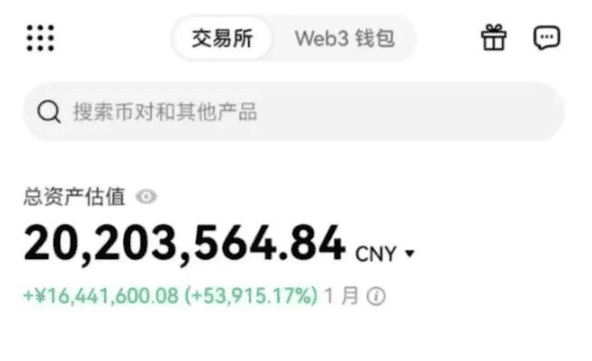
Just one trick: (Master these 6 essential trading indicators in the crypto space). This trick, after tens of thousands of practices, was compiled. Last year, at the end of the year, I played with 200,000, and now I have 20 million, easily achieving a hundredfold profit.
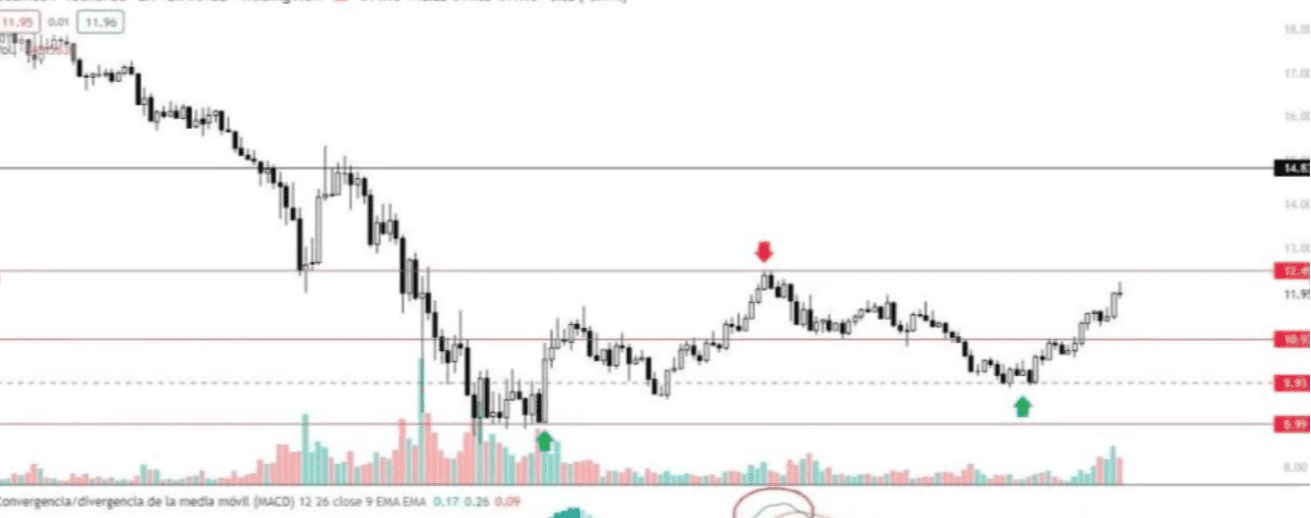
1. MACD.
MACD measures the convergence and divergence of two moving averages of asset prices over time.
MACD represents the separation of values between two moving averages with different calculation periods.
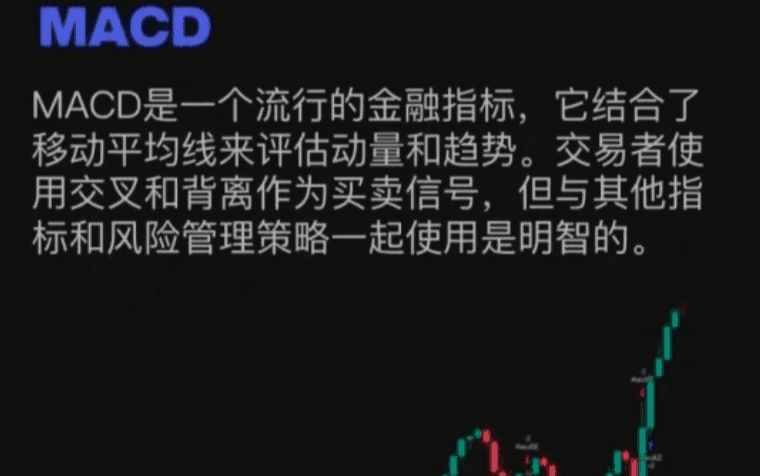
When the MACD line crosses above the signal line, the trend will be bullish.
When the MACD line crosses below the signal line, the trend will be bearish.
2. RSI.
RSI is an oscillating indicator that reflects the relative strength between the upward and downward trends.
The RSI indicator near the 30 level reflects oversold levels.
The RSI indicator near the 70 level reflects overbought levels.
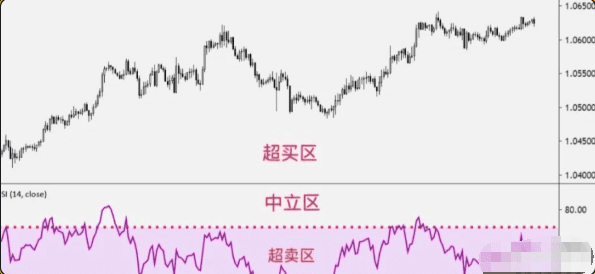
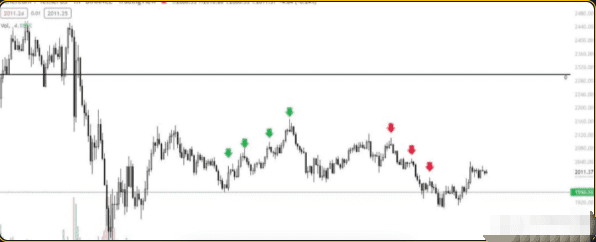
To draw an upward trend line on the indicator, you need to connect two, three, or more peaks of the RSI indicator, just like when HH points appear.
On the other hand, draw a downward line by connecting three or more peaks, which are descending.
3. Bollinger Bands.
The Bollinger Bands are one of the most widely used trading indicators.
Used to compare the price value of any asset and the changes in its relative value over a period.
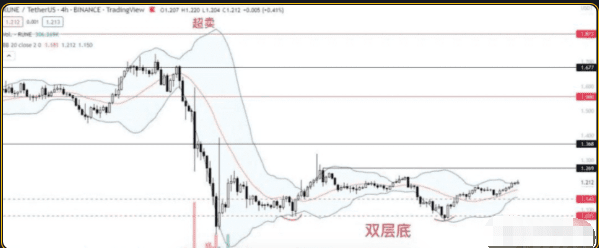
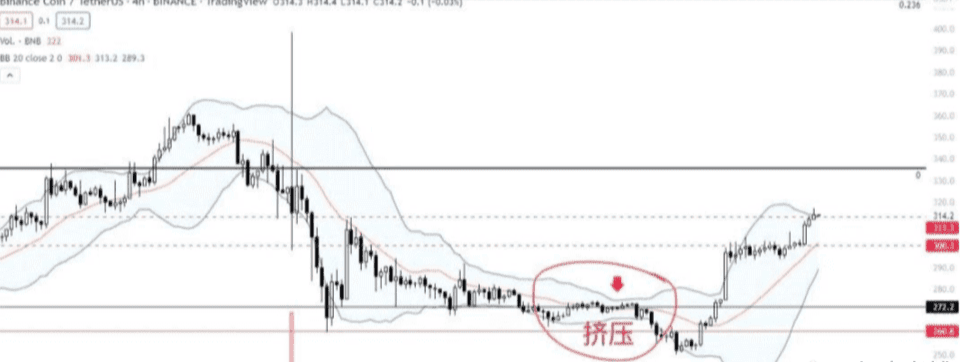
When these lines gradually narrow upwards to appear to merge or coincide, it will create a 'squeeze'.
If the price is close to the upper limit, it indicates a bullish breakout.
If the price converges with the lower band, it indicates a bearish breakout.
4. EMA.
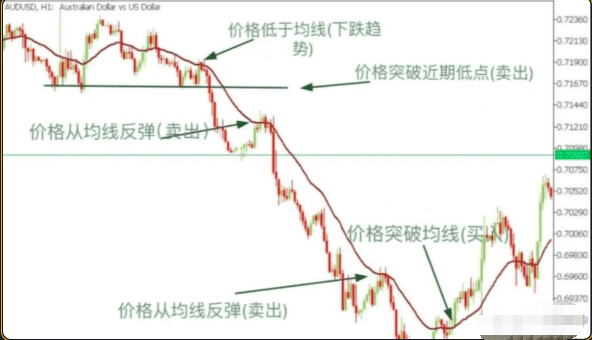
The Exponential Moving Average (EMA) is a weighted moving average used to measure bullish and bearish trends.
EMA is used to determine whether the price is rising or falling.
EMA can also be used as support and resistance.
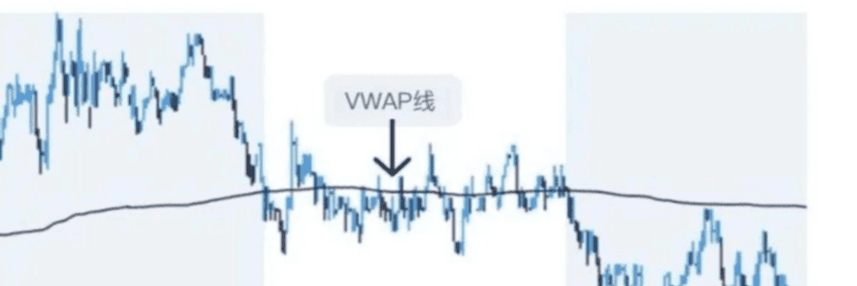
5. VWAP.
Volume Weighted Average Price (VWAP) is a technical analysis tool that shows the proportion of an asset's price to its total trading volume. It provides traders and investors with a measure of the average price traded over a given time period.
6. Volume.
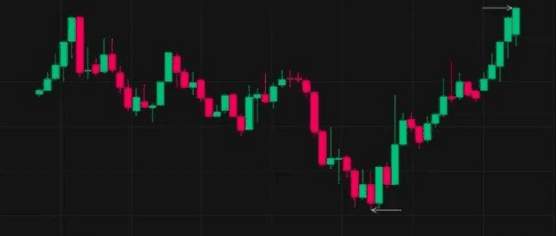
Trading volume is an indicator of market activity and liquidity over a certain period. Higher trading volume is considered more favorable, as it means better liquidity and better order execution.
Finally, let me share with you 20 tips for buying and selling Bitcoin that I have summarized. The basic investment strategies are consistent in any investment market. However, for complex and ever-changing markets, mastering general investment strategies is essential; but on this basis, investors should learn and master certain practical techniques. Many investment techniques that have been tested through extensive practice not only contain philosophical meanings but also have strong guiding significance in practice. I hope these 20 tips can help you in your investment journey.
1. Invest with 'spare money'.
Remember, the money used for investment must be 'spare money,' which means funds that do not have urgent or specific uses. Because if investors use funds necessary for family living expenses to invest, a loss will directly affect family livelihood. Alternatively, using money that should not be invested may lead to a psychological disadvantage, making it difficult to maintain an objective and calm attitude in decision-making, increasing the chances of failure in the investment market.
2. Knowing oneself is the best.
Knowing yourself and knowing your enemy, you will not be imperiled in a hundred battles. However, in the crypto market, knowing oneself is paramount. Investors need to understand their own personalities, as individuals who are easily impulsive or emotionally unstable are not suited for this investment. Successful investors mostly can control their emotions and have rigorous discipline, effectively restraining themselves. Therefore, knowing oneself is essential to ultimately succeed in the crypto market.
3. Face the market squarely and discard fantasies.
The market is real; do not let emotions cloud your judgment, overly yearning for the future and reminiscing about the past. A seasoned trader once said: a person full of fantasies, rich in emotions, and very expressive is a beautiful and happy person, but they are not suited to be an investor. A successful investor can separate their emotions, fantasies, and trading.
4. Small investors should never blindly invest.
Successful investors do not blindly follow the opinions of others. When everyone is in the same investment position, especially when small investors are also following suit, successful investors feel danger and change course. Blind obedience is a fatal psychological weakness of small investors. Once an economic data is released, or a piece of news suddenly pops up, and the price chart 'breaks through' within 5 minutes, they rush into the market. They are not afraid of everyone losing money; they fear everyone making money. In a sense, sometimes misreading market trends, or having positions suddenly reverse after entry, leading to being stuck in positions, is a normal phenomenon, even experts cannot escape this. However, the most foolish behaviors in decision-making and post-processing stem from the psychology of small investors.
5. Do not overtrade.
To become a successful investor, one principle is to always maintain more than 2-3 times the available funds to cope with price fluctuations. If your funds are insufficient, you should reduce the contracts you hold; otherwise, you may be forced to 'cut losses' to free up funds, even if it later proves your judgment was correct.
6. Once a decision is made, do not change it lightly.
If you have fully considered and analyzed and set a predetermined price for entering the market that day, do not easily change your decision due to fluctuations in the current price. Decisions made based on the day’s price changes and market news are generally very dangerous unless you are a master investor with a sudden flash of inspiration.
7. Make decisive decisions.
When investing in the Bitcoin market, there are many psychological factors that lead to failure. One common situation is that investors face increasing losses and, even when they know they can no longer harbor illusions, often hesitate and fail to make decisive moves, thus getting deeper into trouble and increasing losses. A brave person must make decisive cuts when necessary.
8. Do not implement others' opinions.
This is not to advocate for dictatorial decision-making. It should be known that only you will be responsible for the results of your investments. Once you grasp the market direction and have made a basic decision, do not easily change your decision due to the influence of others. Sometimes others' opinions may seem reasonable and prompt you to change your mind, but later you will realize your decision was the right one. Therefore, others' opinions are only references; your own opinion is the deciding factor in buying and selling.
9. If uncertain, temporarily observe.
Investors do not need to enter the market every day. New entrants often eagerly want to trade, but successful investors will wait for opportunities. When they enter the market and feel confused or uncertain, they will also leave the market first and adopt a wait-and-see attitude.
10. Stop buying and selling appropriately.
Day-to-day trading may dull your judgment. A successful investor once said: 'Whenever I feel my mental state and judgment efficiency drop below 90%, I start losing money. When my state is below 90%, I begin to incur losses. At this point, I will put everything down and go on vacation.' A short break from the market allows you to recognize the market anew, understand yourself better, and helps you see the direction of future investments clearly. Remember, if you stay in the forest too long, you won't see the trees.
11. In adversity, leave the market to 'rest'.
Investors, due to their personal interests and losses, often find themselves in a state of extreme tension. If they are profitable, there is a sense of satisfaction to comfort them; but if they are in adversity, constantly losing and even making unnecessary mistakes, they must be very careful not to become overconfident and lose their minds.
Clear-headed and calm, at this moment, the best choice is to put everything aside and leave the market to rest. When the rest is over, temporary gains and losses will have become the past. The inflated mind will have calmed down, and the burdens of thought will have been lifted. I believe that investment efficiency will improve. There is a saying: 'A general who does not know how to rest is not a good general.' Without understanding how to recuperate, one cannot talk about breaking through the enemy's defenses.
12. Patience is also an investment.
There is a saying in the investment market: 'Patience is a form of investment.' But it is believed that very few investors can do this or truly understand its meaning. For those engaged in investment work, it is essential to cultivate good patience and endurance. Patience is often a 'multiplier' of investment success, affecting the final result, whether positive or negative. Many investors do not have low analytical ability or a lack of investment experience, but simply lack patience, leading to premature buying or selling and causing unnecessary losses. Therefore, every investor entering the crypto market should recognize that patience is also an investment.
13. Let the past prices remain in the past.
The 'past prices' are often a difficult psychological barrier to overcome. Many investors are misled by past price influences, leading to erroneous investment judgments. Generally speaking, after seeing high prices, when the market falls, one feels quite uncomfortable with the new low prices; even if various analyses indicate that the market will continue to fall, the investment sentiment is very poor. In front of these new low price levels, investors not only do not sell their holdings but also feel that the price is 'low' and have the impulse to buy, resulting in being stuck after buying. Therefore, investors should remember to let 'past prices' remain in the past.
14. Stop-loss position, cut losses.
Set a stop-loss position (which is the point where you have reached the maximum allowable loss). Once the market reverses and the cryptocurrency price drops to the stop-loss point, be brave enough to cut losses. This is a very important investment technique. Due to the high risks associated with Bitcoin, in order to avoid losses from investment mistakes, we should set stop-loss orders every time we enter the market to trade. When the exchange rate drops to a predetermined price and may continue to fall, execute the trade immediately. This way, the losses incurred will be limited and bearable, preventing further losses, and avoiding total loss of capital. Even if one cuts losses temporarily, the investment capital is still there; as long as the green mountains remain, one need not fear lack of firewood.
15. Do not go all in.
When engaging in contract trading, one must act within their means and must not place all their life savings or family wealth like a huge bet. Because in such a case, if the market itself is mispredicted, it could lead to significant losses or even be unable to extricate oneself. The proper approach is to implement a 'pyramid adding' method: first make a partial investment, and if the market is clear and favorable, then increase the investment. Additionally, one must be cautious of developing a mindset of going all in during adverse market conditions.
16. Do not make mistakes for a few points.
In Bitcoin trading, do not blindly pursue round numbers when making a profit. In practice, some people set a profit target after establishing a position, such as wanting to earn $200 before leaving, always waiting for that moment to arrive. After making a profit, sometimes the price is close to the target; at this time, the opportunity to take profits is good. However, if it is just a few points away, one might miss the best price by waiting due to the original target, losing the opportunity. Remember, it is not worth it to make mistakes just to fight for a few points.
17. If the situation seems wrong, strike back.
Sometimes buying and selling with the market, but when entering the market is already nearing its end, be cautious. Once a reversal occurs, if the trend seems wrong, one must strike back. For example, after buying in a bullish market, if the market price stagnates, and then suddenly drops, do not panic. It is best to reflect. If you can determine that a reversal is happening, cut losses immediately and strike back.
18. Look for opportunities to establish positions during breakouts.
The market situation refers to a state where the price fluctuations are narrow, and the buying and selling forces are evenly matched, temporarily in a tug-of-war state. Whether in a rising market or a falling market, once the market situation ends and breaks through resistance or support levels, the price will surge forward. For experienced investors, this is a good time to establish positions when the market situation is long-term. Positions established when breaking through the market situation will yield substantial gains.
19. Be cautious of rebounds after a big drop and adjustments after a sharp rise.
In the Bitcoin market, sharp price rises or falls will not rise like a straight line or fall like a straight line. A rapid rise will always adjust, and a sharp fall will also rebound. The extent of the adjustment or rebound is complex and not easy to grasp. Therefore, after a sudden surge of two or three hundred points or five or six hundred points, one must be especially careful. It is better to stay on the sidelines than to rashly follow in.
20. Learn to control risks.
The Bitcoin market is a highly risky market, primarily because there are too many variables determining Bitcoin prices. Although there are various theories and doctrines regarding Bitcoin volatility, the fluctuations in the crypto market often catch investors by surprise. For Bitcoin investors and operators, knowledge about risk probabilities is especially necessary to learn. In other words, it is essential to fully understand the risks and returns, the probabilities of winning and losing money, and the major issues of prevention in Bitcoin investment. If there is no accurate understanding of risk control, making random Bitcoin trades will inevitably lead to losses.
This concludes Wenjing's trading experience shared with you today. Many times, you lose many opportunities to make money because of your doubts. If you do not dare to boldly try, engage, and understand, how will you know the pros and cons? You must take the first step to know how to proceed. A warm cup of tea and a piece of advice; I am both a teacher and a good friend who talks with you.
Meeting is fate, knowing each other is destiny. Wenjing firmly believes that those destined to meet will eventually do so, while those who brush past each other are fated. The journey of investment is long, and a momentary gain or loss is just the tip of the iceberg. One should know that even the wisest may have a misstep, while the foolish may have a gain. Regardless of emotions, time will not stop for you. Pick up the frustrations in your heart, stand up again, and move forward.
Wenjing focuses on Ethereum contract spot ambush, the team still has spots to board quickly #美联储FOMC会议 $BTC

