
As the saying goes, no rules means no boundaries. In wave theory, there are also established rules and guidelines! In the exploration of rules and guidelines, predecessors have accumulated rich experiences for us. Standing on the shoulders of giants, we need to further improve and promote them!
This series of articles organizes the rules and guidelines related to wave theory, simplifying complexity and making it easier for beginners to get started, so that wave theory is no longer obscure and difficult to understand.
The prerequisite for reading the special column is that you have completely read the original works on Elliott Wave Theory: (Wave Theory (Professional Interpretation Edition)), (Elliott Wave Theory: The Key to Market Behavior). If you have not read these two books, please purchase and study them carefully before reading this series of articles.

I. What are rules? What are guidelines?
The shapes (or wave forms) in Elliott Wave Theory must fully comply with the rules of Elliott Wave Theory, but do not have to strictly adhere to the guidelines.
In other words, the rules must be fully satisfied; failing to meet even one rule is not acceptable!
However, guidelines can be satisfied or not satisfied. The more a shape conforms to the guidelines, the higher the likelihood of its correctness.
By following the rules and guidelines, the phenomenon of "thousand people, thousand waves" can be avoided or minimized in the process of counting waves in wave theory.
II. Terminology Analysis
(1) The Orthodox Top and Bottom
It refers to the endpoint of the wave pattern, that is, the final end point of a complete wave structure.
In Elliott Wave Theory, the Orthodox Top refers to the ultimate high point of the impulse or corrective wave structure, while the Orthodox Bottom refers to the ultimate low point. They represent the end of a complete wave cycle and are the "official" endpoint of the wave pattern, not temporary highs or lows during the process.
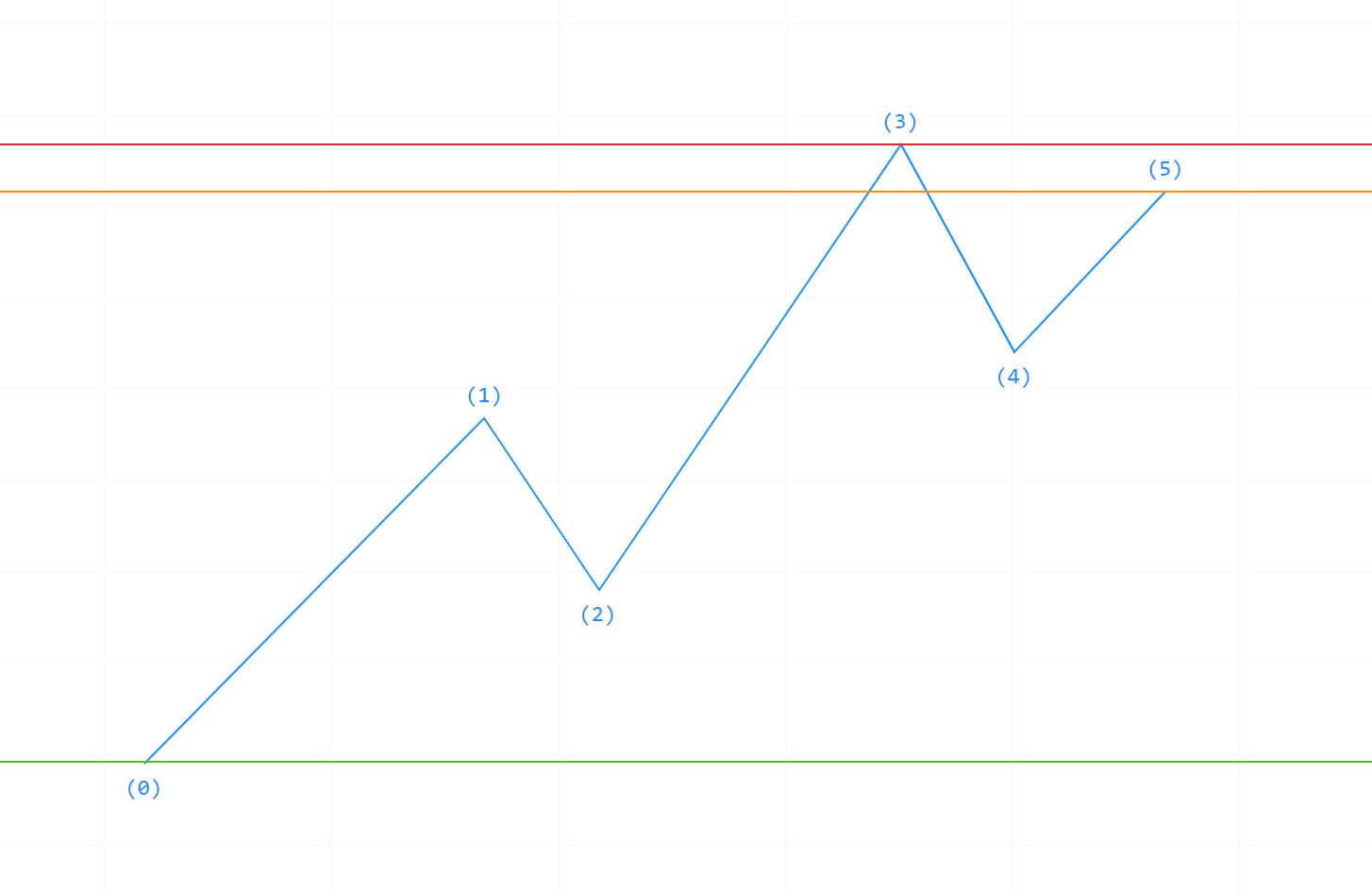
For example, the above image shows an exhausted 5th wave (failed 5th wave), the position of the green line (0) is the Orthodox Bottom; the position of the yellow line (5) is the Orthodox Top. The position of the red line (3) is the top of the [Gross Price Movement].
Other wave forms follow the same reasoning.
(2) The Gross Price Movement
Corresponding to the "Orthodox Top and Bottom", sometimes the endpoint of a shape does not align with its internal price endpoints.
In the above image of the exhausted 5th wave (failed 5th wave), the position of the yellow line (5) is the Orthodox Top. The position of the red line (3) is the top of the [Gross Price Movement], and the two tops are not the same. The price height difference from green line to red line is the [Gross Price Movement].
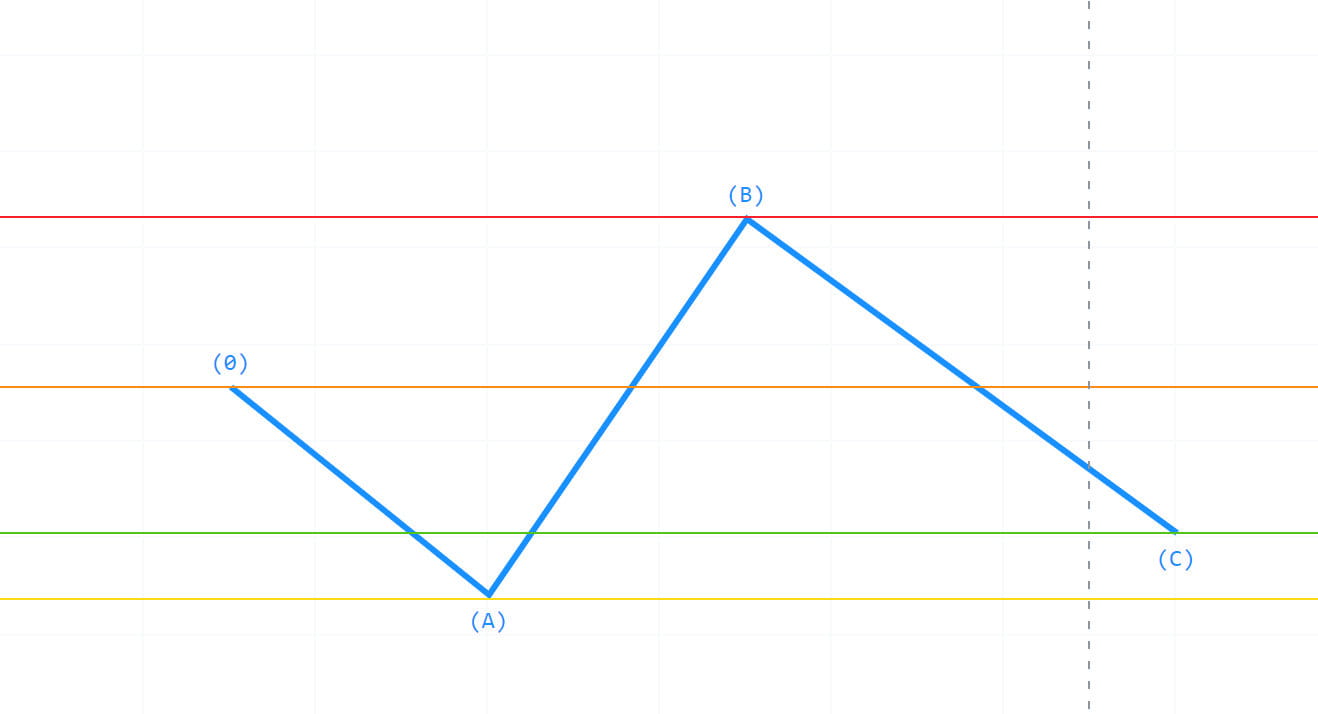
For example, in the above image of the [Expanding Flat Correction Wave], the position of the orange line (0) is the Orthodox Top, and the position of the green line (C) is the Orthodox Bottom; however, the [Gross Price Movement] is the price height difference between the red line (B) and the yellow line (A).
Other wave forms follow the same reasoning.
(3) Diagonal Triangle
Some Chinese books translate it as "Inclined Triangle", but due to the numerous rules and guidelines in this article, to avoid confusion with the corrective nature of "triangles", this article uses the term "Diagonal."
A diagonal can be divided into [Leading Diagonal] and [Ending Diagonal]. If you don't understand, you can refer to the original text.
(4) Price and Time
Please note that in this series of articles, the terms 'long' and 'short' sometimes refer to time, sometimes to price, and sometimes to both price and time, which will be specified in the corresponding sections of the text.
(5) Double and Triple Horizontal Consolidation (Double and Triple Sideways)
Generally referred to as "Double Three" and "Triple Three", they are both a type of combined corrective wave, but their original English translation is "Double and Triple Horizontal Consolidation."
III. What are the rules and guidelines?
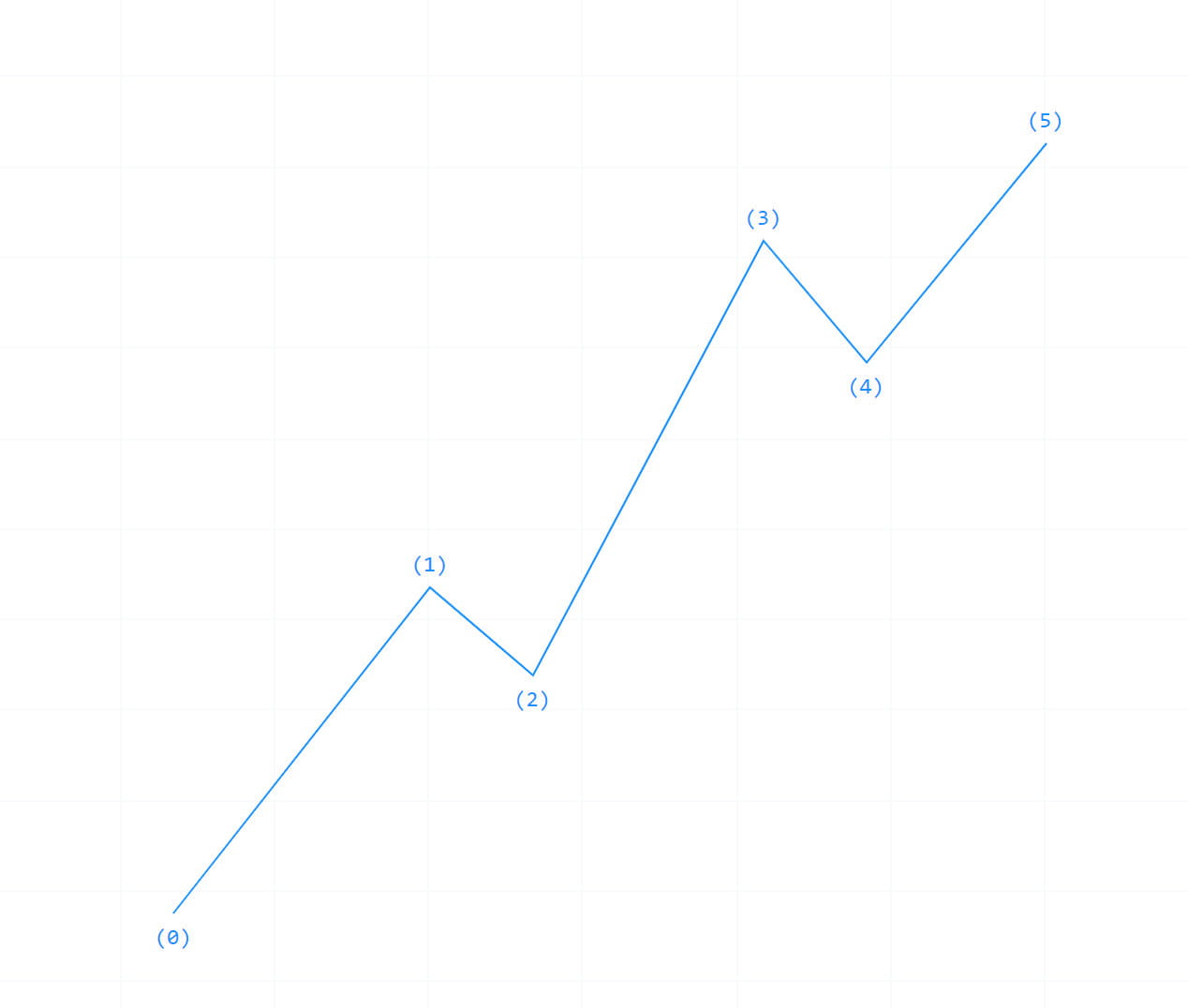
(1) Rules and Guidelines for Impulse Waves
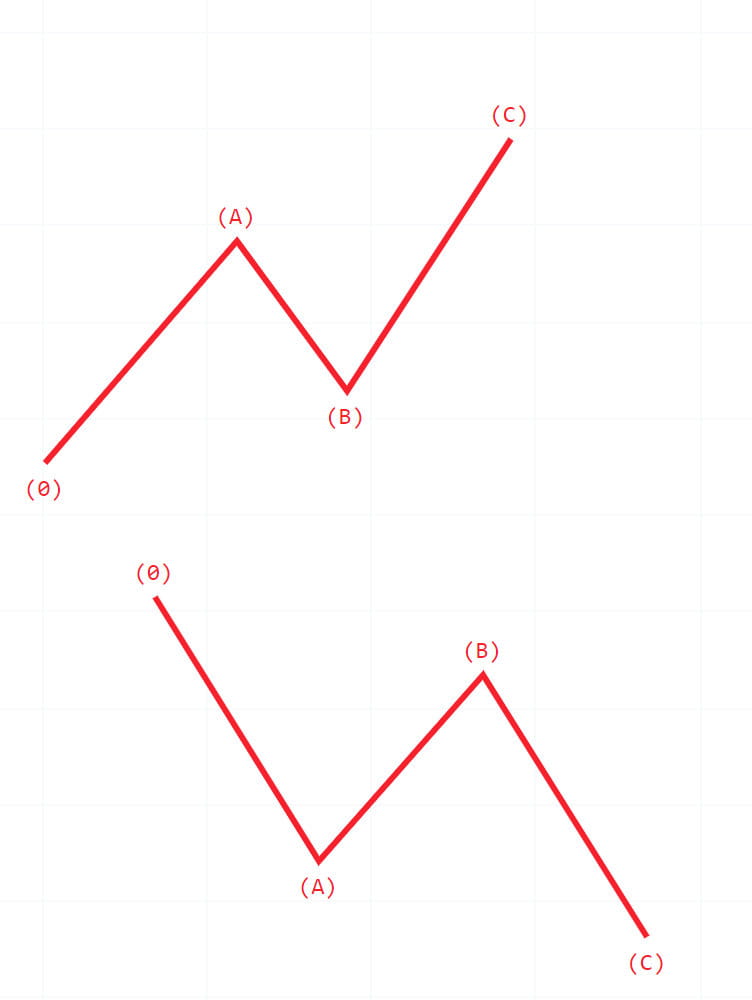
(2) Rules and Guidelines for Zigzag Correction Waves
(3) Rules and Guidelines for Flat Correction Waves
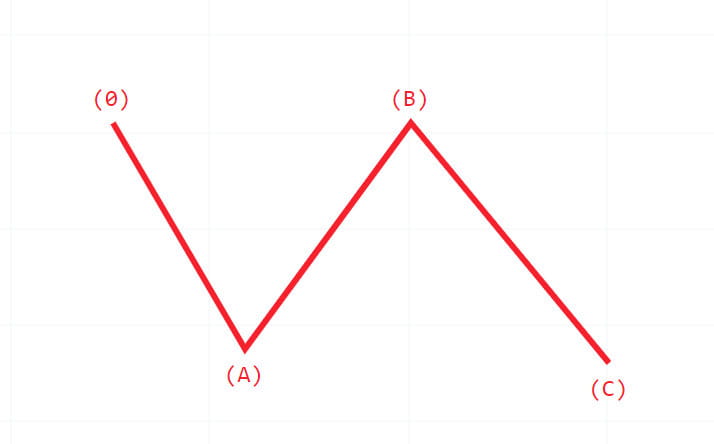
(4) Rules and Guidelines for Diagonal (Leading and Ending)
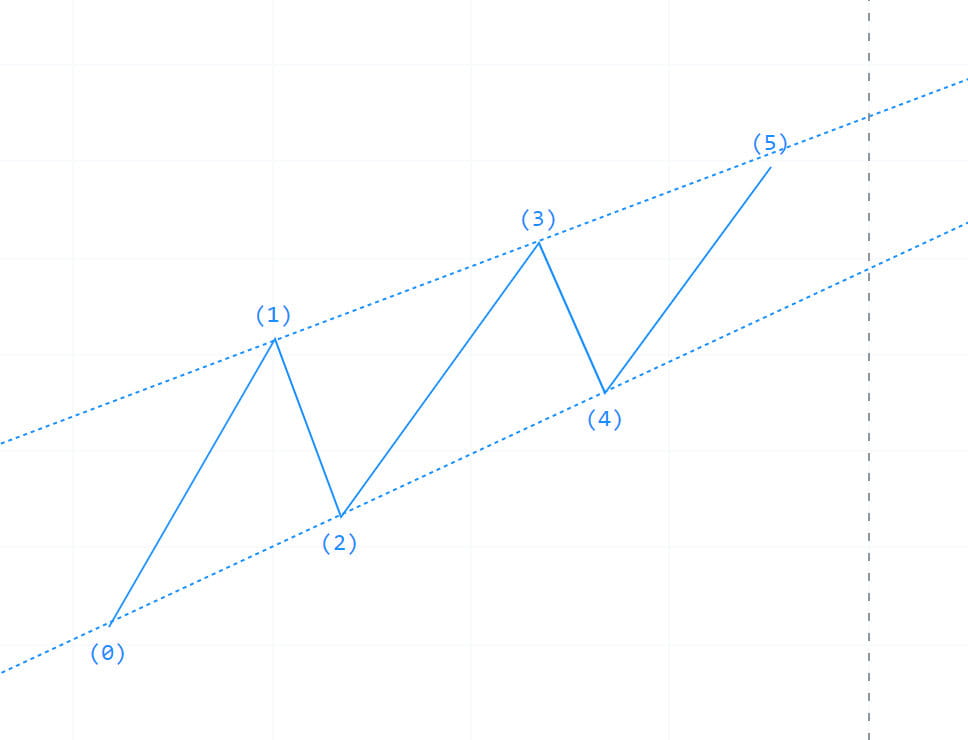
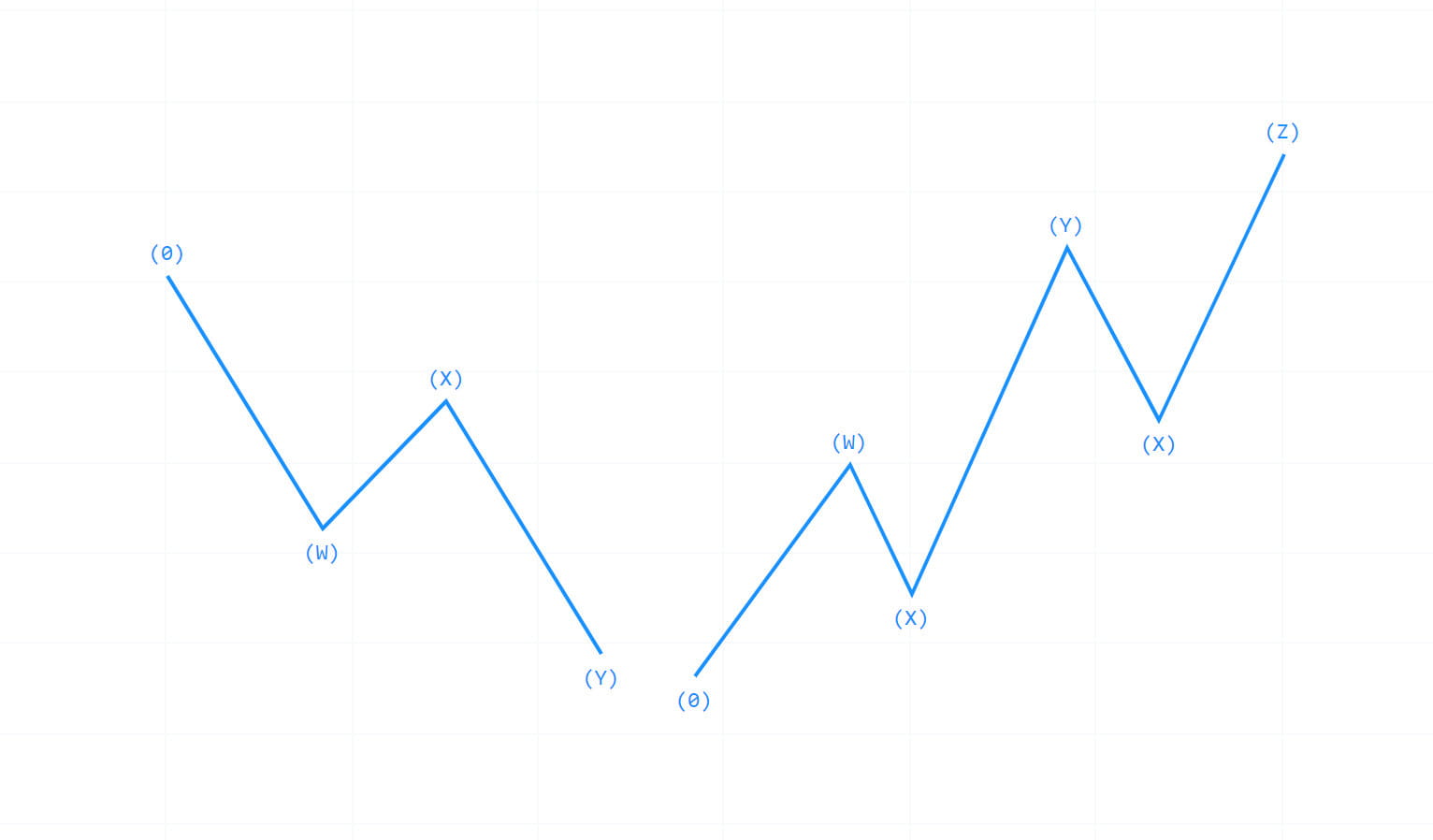
(5) Rules and Guidelines for Double and Triple Zigzag Correction Waves
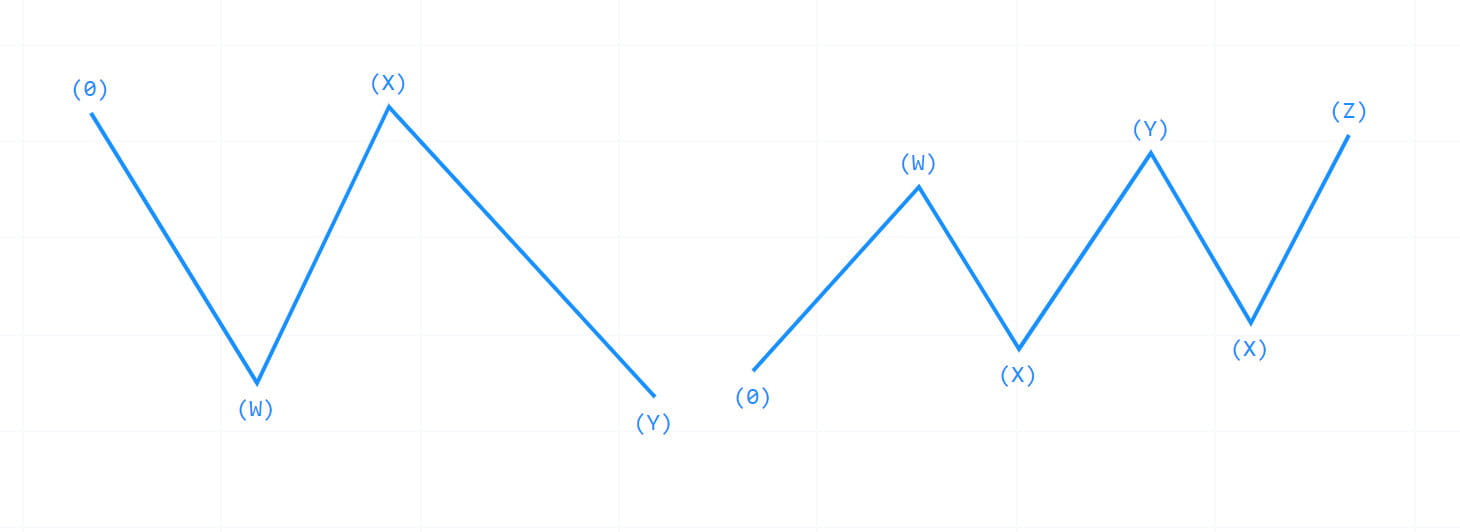
(6) Rules and Guidelines for Double and Triple Horizontal Consolidation
👉 ✅ Like ❤️, ✅ Follow ⭐, ✅ Comment 💬, ✅ Share 📤 Every interaction is a two-way journey! Come and interact with me in the comments section and let's become better together! 💫