


introduction
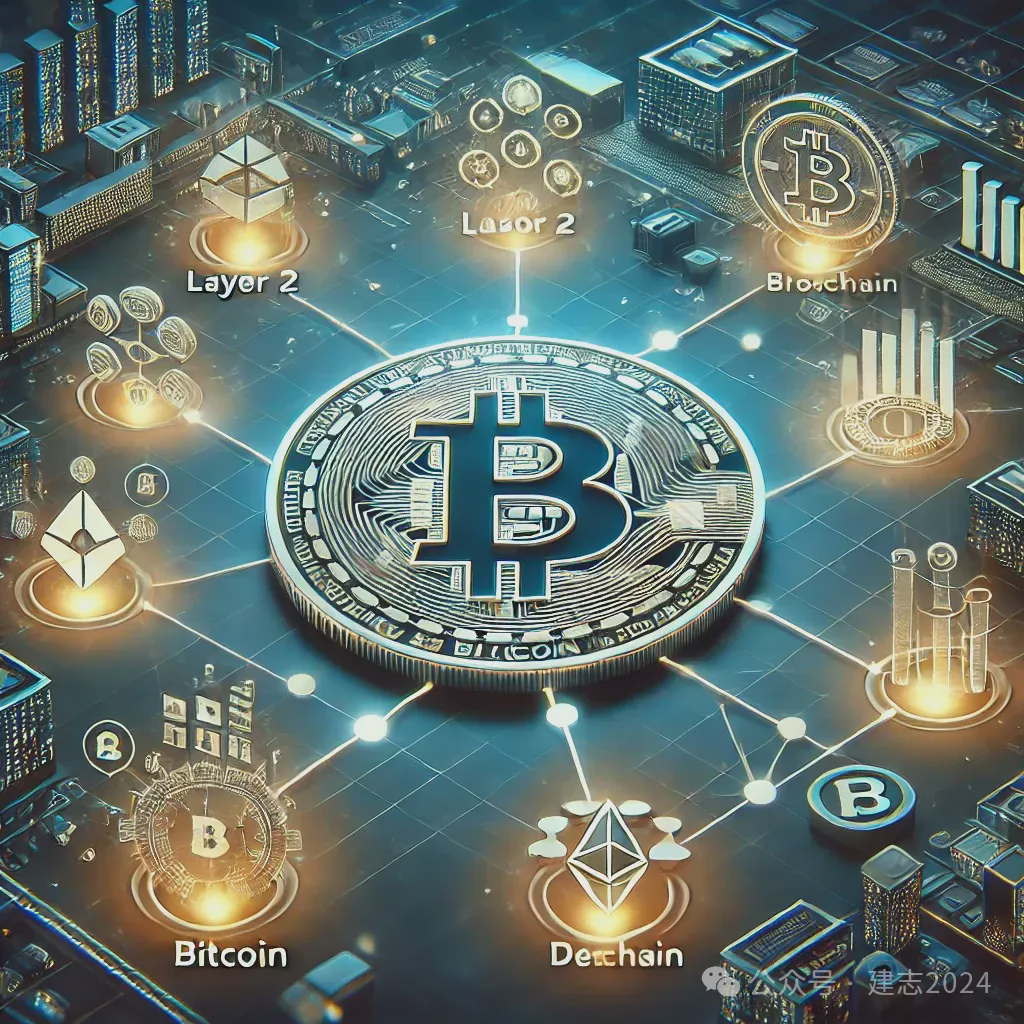
Since Satoshi Nakamoto proposed the Bitcoin white paper in 2008, Bitcoin has gradually become the world's most valuable cryptocurrency, with a market value of over $1.24 trillion. Bitcoin is not only known as "digital gold", but is also considered an alternative to the traditional financial system due to its decentralization and anti-censorship properties. However, Bitcoin's potential is far more than just a store of value. With the development of technology, especially the rise of Layer 2 solutions, cross-chain technology and DeFi, the Bitcoin ecosystem is rapidly expanding and gradually moving towards a decentralized financial platform, driving the transformation of the Bitcoin ecosystem infrastructure and its huge potential in the future.
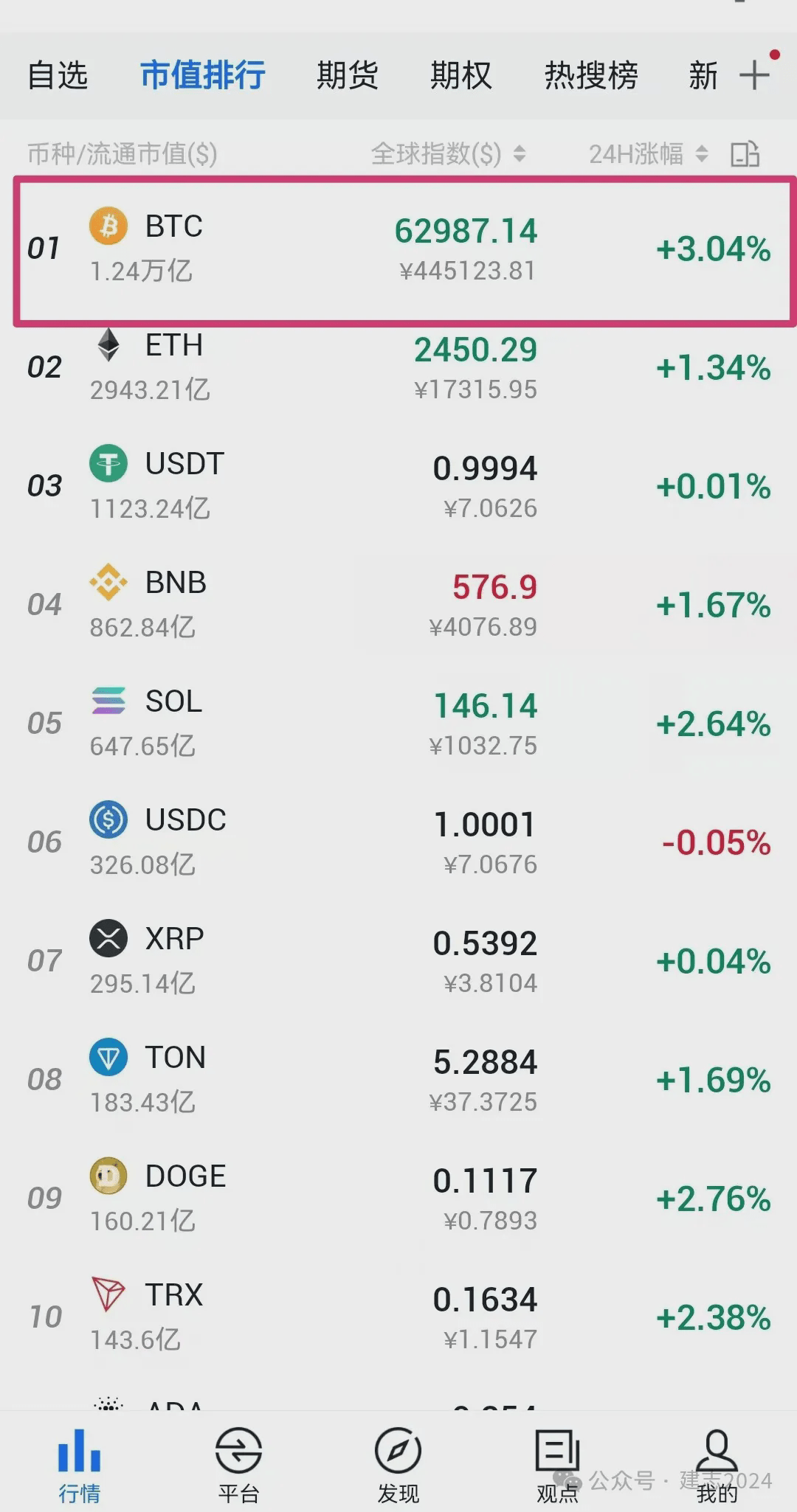
At the same time, the activity of the Bitcoin market will further increase between 2023 and 2024, and multiple Bitcoin ETF products will be approved. The launch of Bitcoin ETFs will allow Bitcoin to easily enter the traditional stock market trading system. Investors can buy and sell Bitcoin like buying ordinary stocks, which will attract more traditional investors to Bitcoin. In addition, more and more multinational companies are beginning to use Bitcoin for settlement and payment, and the influx of venture capital has also accelerated the innovation of Bitcoin technology and applications.
This report aims to comprehensively analyze the current status, technological innovation and future opportunities of the Bitcoin ecosystem, while revealing the challenges and risks involved.
1. Bitcoin ecosystem infrastructure
1.1 Scalability Challenges of Bitcoin Main Chain
Bitcoin's Proof of Work (PoW) consensus mechanism ensures the security and decentralization of the network, but it also limits its scalability. Currently, the Bitcoin main chain can only process 7 transactions per second, which is far from enough to meet the large-scale application needs of global users. You can think of the Bitcoin main chain as a two-lane highway. Although it is safe and stable, it is easy to get stuck when there is heavy traffic. This has become a bottleneck for the development of the Bitcoin ecosystem. Therefore, solving the scalability problem is the top priority for the development of the Bitcoin ecosystem.
1.2 Introduction of Layer 2 Solutions
In order to deal with the scalability problem, Layer 2 technologies such as the Lightning Network came into being. You can think of the Lightning Network as a "fast payment channel" for banks, through which users can make faster transactions without paying high fees, similar to using a credit card to make quick payments instead of queuing up at the bank every time to withdraw cash. The Lightning Network allows users to make transactions at low cost and near instantaneously, greatly improving Bitcoin's transaction processing capabilities, while also making micropayments and high-frequency trading scenarios possible.
1.3 Cross-chain bridges and financial liquidity
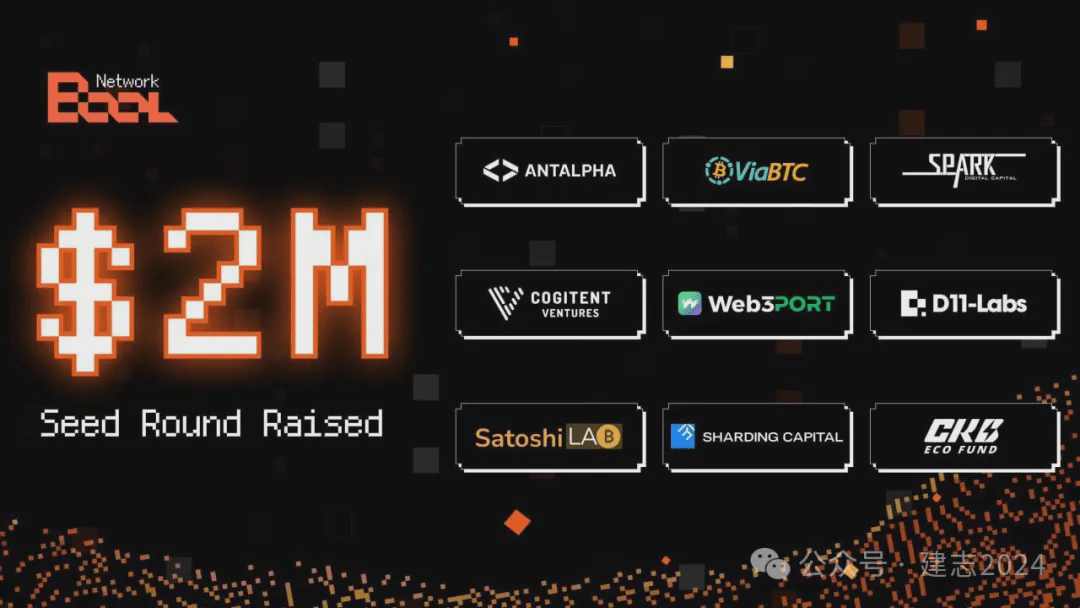
In addition to Layer 2 technology, cross-chain bridges (such as Ren, WBTC, Bool Network) enable Bitcoin to achieve interoperability with other blockchains (such as Ethereum). Cross-chain bridges are like cross-border transfer systems between banks. You can transfer the value of Bitcoin to another chain through these systems to participate in DeFi applications without selling Bitcoin. This innovation not only improves the financial liquidity of Bitcoin, but also promotes the transformation of Bitcoin from a single storage tool to a wider range of financial assets.
2. Technological innovation and DeFi development
2.1 BRC-20 Protocol and Tokenization
The BRC-20 protocol is a major technological innovation in the Bitcoin ecosystem, which introduces tokenization capabilities to the Bitcoin network, similar to Ethereum's ERC-20 standard. The BRC-20 protocol can be likened to the issuance of company stocks, allowing developers to create and manage their own tokens on the Bitcoin network. Through these tokens, developers and users can perform financial operations, similar to transactions in the stock market, expanding the functionality of Bitcoin to support more decentralized applications (dApps) and DeFi protocols.
2.2 Ordinals Inscriptions and Rune Technology
Ordinals and rune technology enable NFT capabilities on the Bitcoin network. Ordinals allow users to create, issue, and trade unique digital assets (NFTs) on the Bitcoin network, while rune technology enhances the execution capabilities of Bitcoin smart contracts. Although these technologies have brought new application scenarios to the Bitcoin network, their scalability and user experience are still facing challenges in the face of network congestion and high transaction fees.
2.3 The rise of other token standards: SRC-20 and ARC-20
In addition to the BRC-20 protocol, other token standards such as SRC-20 and ARC-20 are also gradually developing in the Bitcoin ecosystem. SRC-20 is similar to BRC-20, and is an emerging token standard based on the Bitcoin network for creating and managing tokens. ARC-20 was originally a token standard on the Avalanche chain, but due to the development of cross-chain technology, it also plays an important role in interoperability with the Bitcoin network. The emergence of SRC-20 and ARC-20 has further promoted the diversified development of the Bitcoin ecosystem and increased the possibility of more decentralized financial applications.
2.4 Bitcoin in DeFi
Although Ethereum dominates the DeFi space, Bitcoin is also gradually participating in decentralized finance (DeFi) activities through cross-chain bridges and Layer 2 solutions. Bitcoin holders can use Bitcoin for operations such as lending, staking, and liquidity mining through cross-chain protocols. Projects such as Sovryn and BadgerDAO have promoted its application in the DeFi space by supporting Bitcoin's cross-chain function, further releasing Bitcoin's financial liquidity.
2.5 The emergence and hype of CAT-20 protocol
Recently, there has been more and more discussion about the CAT-20 protocol on social platforms such as Twitter. CAT-20 is an emerging token standard in the Bitcoin ecosystem. Although there is currently little public information about its technical details, it may be another innovation after BRC-20 and SRC-20, aiming to further promote tokenization and decentralized applications in the Bitcoin ecosystem. With the emergence of more and more cross-chain protocols and decentralized financial (DeFi) applications, CAT-20 is expected to contribute new solutions to the scalability and financial liquidity of the Bitcoin network.
However, due to frequent hype on social media such as Twitter, investors should remain cautious about this emerging token standard. Further technical analysis and verification of actual application scenarios remain important indicators for evaluating the future potential of CAT-20.
3. Bitcoin mining and financial liquidity
3.1 Sustainability and transformation of mining
The total number of Bitcoins mined is 21 million, and 92% of them have been mined. Mining is expected to continue until around 2140. As block rewards gradually decrease, miners' income will rely more on transaction fees. This means that the attractiveness of mining will gradually weaken, and the focus of Bitcoin will shift from mining to its financial applications, especially liquidity mining and lending in DeFi.
3.2 Release of financial liquidity
Despite the huge market value of Bitcoin, most Bitcoins are still in long-term holding and cannot participate in the financial market. Through cross-chain bridge technologies such as Bool Network, more Bitcoins will be packaged as assets on other chains and participate in global financial activities. This not only improves the liquidity of Bitcoin, but also lays the foundation for its entry into the decentralized financial system.
4. Future development potential and challenges
4.1 Widespread application of Layer 2 and cross-chain technology
As Layer 2 technology and cross-chain bridges continue to mature, Bitcoin's scalability issues will gradually be solved, especially in decentralized financial applications such as payment, lending, and staking, and its performance will be significantly improved. In the next few years, Bitcoin’s interoperability and financial liquidity will drive more companies and individuals to enter this ecosystem.
4.2 Potential of Smart Contracts
Although Bitcoin does not natively support complex smart contracts, smart contracts will be gradually implemented on the Bitcoin network through extended functions such as the RGB protocol. This will enable Bitcoin to support more complex financial products, such as decentralized insurance, options, contracts, etc., and promote the application of Bitcoin in more complex financial systems.
4.3 Accelerated Entry of Venture Capital
In the past few years, venture capital firms have entered the Bitcoin and cryptocurrency ecosystem on a large scale, driving its technological development and expansion of application scenarios. In 2023 alone, global venture capital investment in the Bitcoin ecosystem reached billions of dollars, covering Layer 2 technology, cross-chain protocols, and Bitcoin infrastructure. Well-known investment companies such as a16z and Sequoia Capital have invested in multiple Bitcoin-related projects, further promoting the application and commercial development of Bitcoin in DeFi. This influx of funds has not only accelerated the innovation of Bitcoin technology, but also enhanced market confidence and attracted the attention of more traditional financial institutions.
4.4 Challenges and risks
Although the Bitcoin ecosystem is full of potential, scalability, policy regulation, and market volatility remain the main challenges it faces. Security issues of Layer 2 technology and cross-chain bridges, policy uncertainty, and complex user experience are all obstacles that need to be overcome for large-scale Bitcoin applications. The volatility of Bitcoin prices also poses a challenge to its stability as a financial asset.
5. Conclusion
The Bitcoin ecosystem is at a critical stage of transformation from "digital gold" to a multifunctional decentralized financial platform. Through the introduction of Layer 2 technology, cross-chain bridges, and smart contracts, Bitcoin's financial functions and application scenarios are gradually expanding. In the next few years, as technology matures and market demand increases, Bitcoin is expected to play a more important role in the global financial system.
Whether you are an investor, developer, or node operator, now is the best time to participate in the Bitcoin ecosystem. Bitcoin is not only a store of value, it is also a thriving ecosystem full of opportunities and challenges. I hope this article can help you better understand the potential of Bitcoin and guide your participation in the Bitcoin ecosystem.
about Us:
As a long-term evangelist of the Filecoin ecosystem, I have focused on the promotion and service of the distributed storage track in the past four years. Now, I will expand the sharing content and increase the in-depth interpretation of the Bitcoin ecosystem, bringing you more references and opportunities, helping you broaden your horizons and understand the diversity and potential of the encryption track. By interpreting the technological innovation and investment opportunities behind Bitcoin, I hope to provide you with a more diversified perspective.
We have an experienced and professional technical team that not only continues to provide high-quality operation and maintenance services for Filecoin, but also expands to blockchain technology fields such as Aleo to provide one-stop technical operation and maintenance solutions. If you have a need for blockchain technology operation and maintenance, or are interested in the Bitcoin ecosystem and its future development potential, please continue to pay attention. We will work with you to explore more opportunities and value in the Bitcoin ecosystem.
We look forward to working with you to explore the infinite possibilities of the blockchain world!