

Yesterday the DEPIN project Grass airdrop went live, I received 730 GRSSS and sold it for 3.3 $SOL , earning $600 for free.
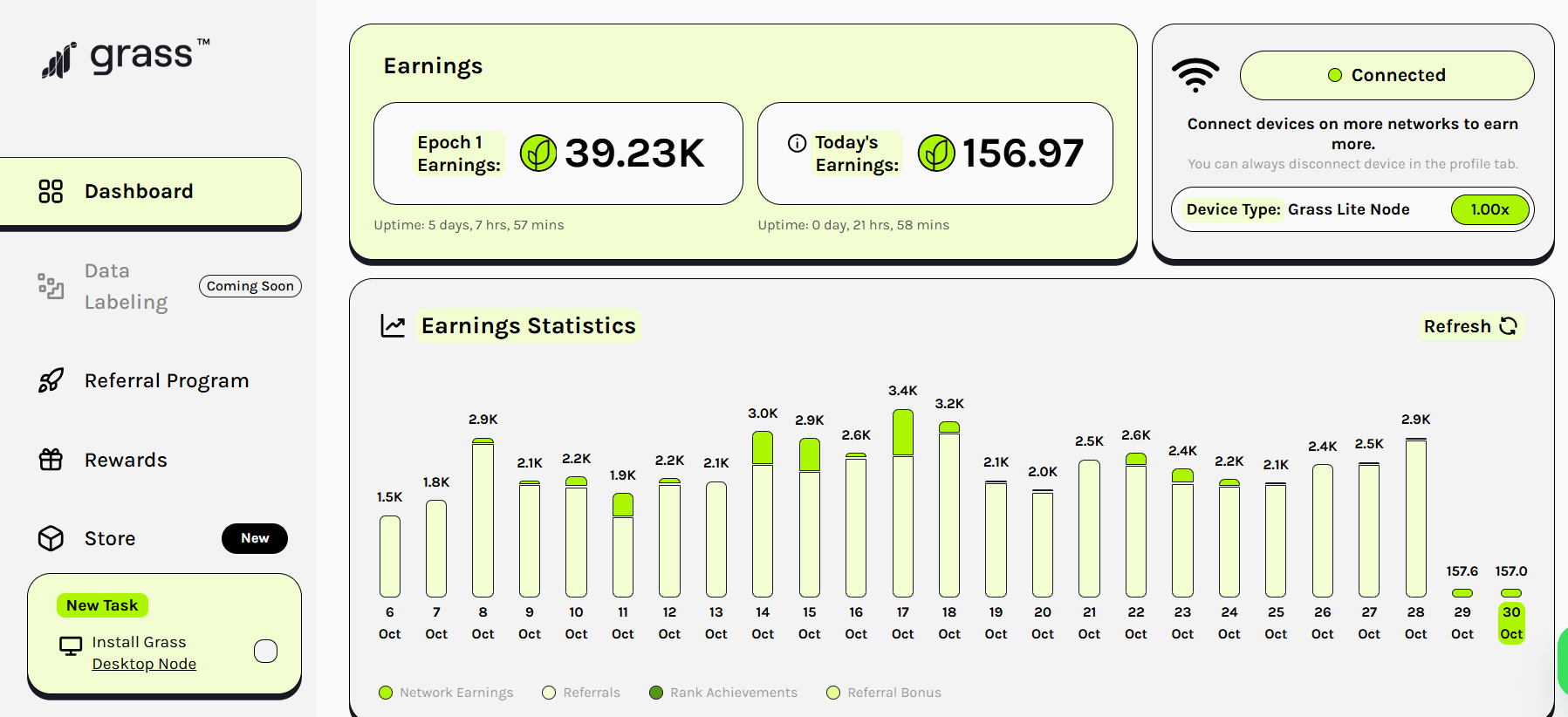
Chuxiao Chain has been paying attention to Grass since December 2023, installing the plugin in Google Chrome, automatically running after registering with an email, and inviting about twenty friends to join.
Other group friends are mining Grass casually, getting between ten to hundreds of GRASS. Currently, the GRASS price is 0.85U, and a low maintenance account is about 10u.
I only have one account, if I had 10 accounts, that would be a profit of $6,000, but that’s another topic. At that time, I was mining Grass passively and wasn't sure if there would be an airdrop or how much I would earn; the focus was on participation, and airdrops rely on luck.
What is Grass?
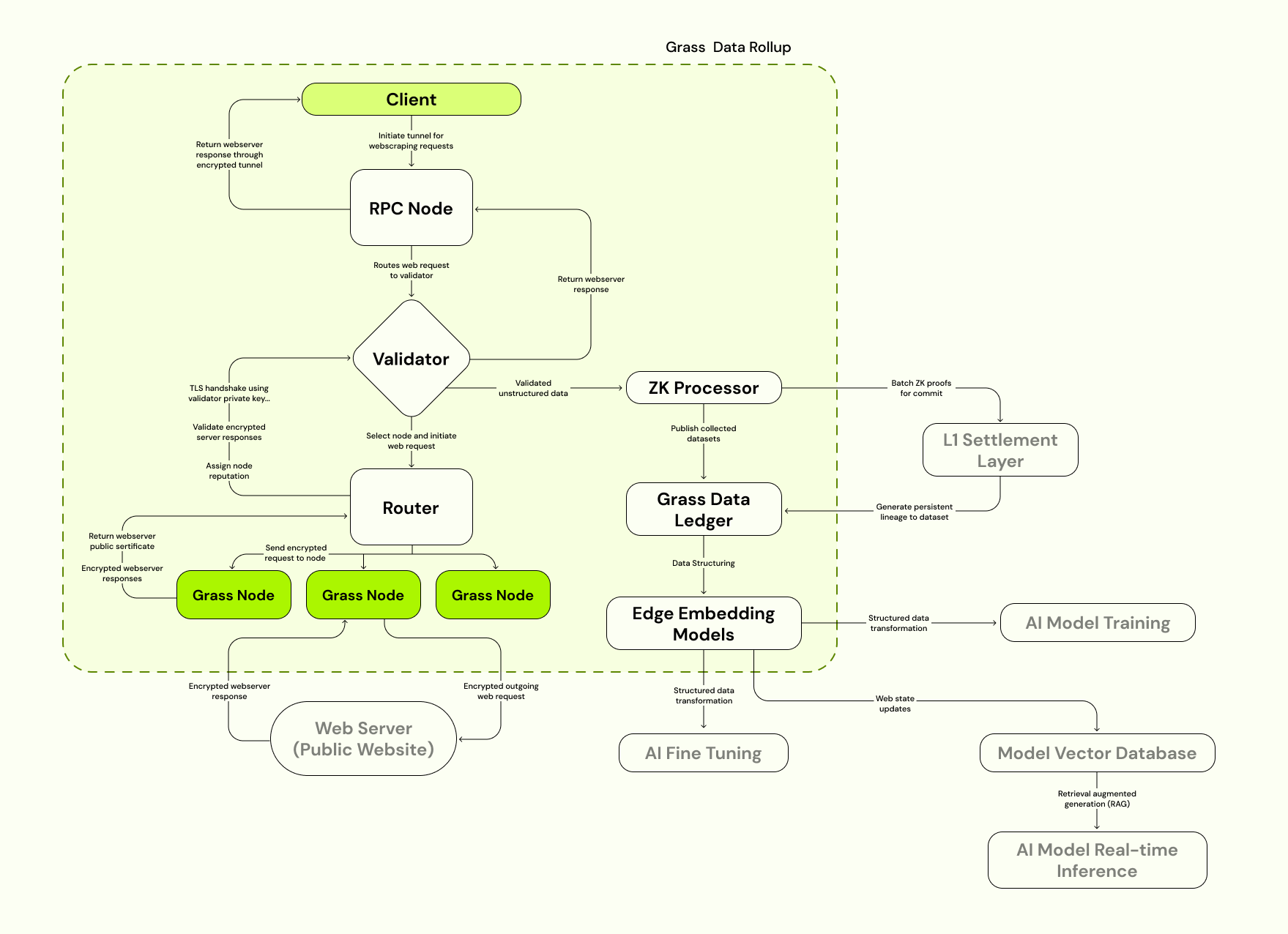
Grass is a decentralized network resource sharing and redistribution platform focused on transforming public network data into artificial intelligence datasets. It allows users to earn token rewards by selling unused network resources.
The network aims to mobilize millions of home internet connections to scrape and verify data from the internet. This bulk-collected network data is an indispensable part of AI model development and operations in many other industries.
Through the Grass platform, users can exchange idle network resources for Web3 assets.
If you have excess unused network, it's a waste to just leave it idle. It's better to distribute it through the platform to institutions or individuals in need, while also earning corresponding GRASS rewards.
This airdrop of Grass allocated 100 million GRASS to eligible users, accounting for 10% of the total supply. Users who installed the Grass plugin early and continued running it can earn tokens.
From community feedback, not many users are participating in Grass mining, possibly due to low expectations for the depin project and general interest.
What is DePIN?
DePIN refers to decentralized physical infrastructure networks, utilizing blockchain and token rewards to develop physical infrastructure in the real world covering areas such as transportation, energy, and wireless connectivity.
DePIN uses a cryptocurrency-driven incentive system to establish a rewards-based system for crowdsourced physical infrastructure service providers while promoting decentralized alternatives to known traditional facilities.
The scope of the DePIN concept is broad, with well-known projects like #iotex , #Helium , Wifimap, and Natix network.
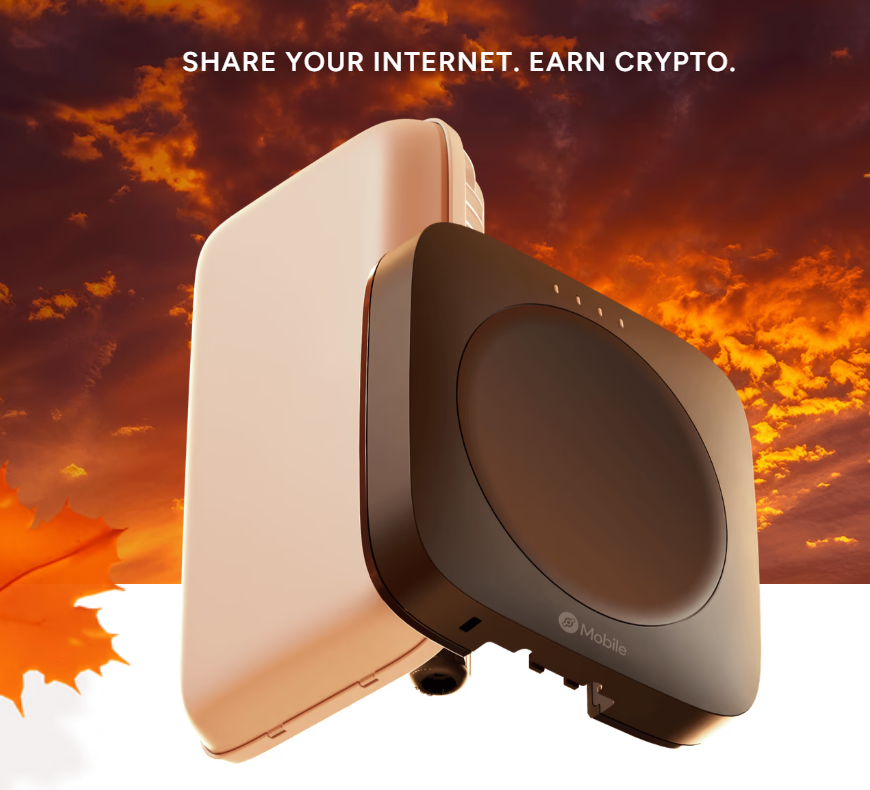
The early popular Helium is a decentralized wireless hotspot network that provides public, remote wireless coverage for LoRaWAN-enabled IoT devices. Hotspots generate and earn rewards through Helium's native cryptocurrency HNT.
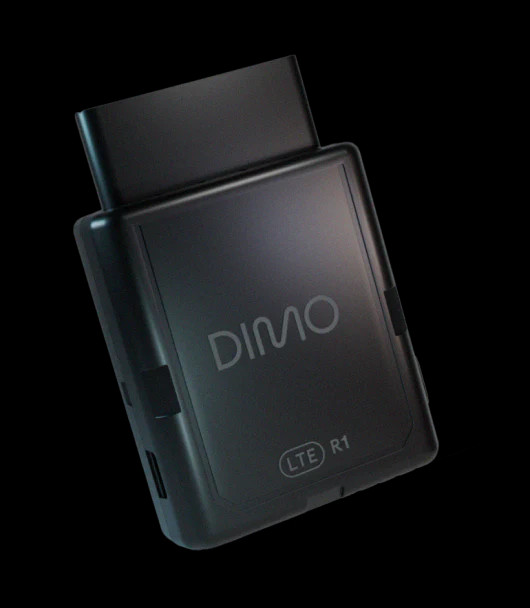
There is also DIMO, a decentralized automotive IoT platform where users purchase its product devices to collect and share vehicle data to earn DIMO rewards.
Dimo has also partnered with several Web2 companies, such as gas stations, repair shops, and auto parts stores, allowing users to use DIMO tokens to purchase services from partner merchants.
DePIN is the combination of physical devices and blockchain, where users in the physical world share and provide their device resources while earning on-chain rewards.
For example, in Grass, users share internet resources and earn GRASS rewards; in Helium, users share mobile hotspot resources and earn HNT; in Wifimap, users share wifi resources and earn WIFI.
Users need to own or purchase devices to participate in DePIN projects, such as installing the Grass plugin on a computer or the Wifimap application on a phone to earn rewards.
The DePIN concept has been proposed for quite some time, but project development is a long-term process. The price trends of already launched depin tokens like HNT, DIMO, WIFI, etc. are generally average.
The DePIN track has some heat, but the adoption of shared resources is a long process. The market needs the user end to provide resources, and the client end to adopt the corresponding resources and services for the platform to continue developing.
Many already launched DePIN projects lack momentum, with no enterprises purchasing services, yielding low user earnings, making it difficult to sustain interest. Coupled with the impact on the entire industry, the token trend also fails to attract new funds.
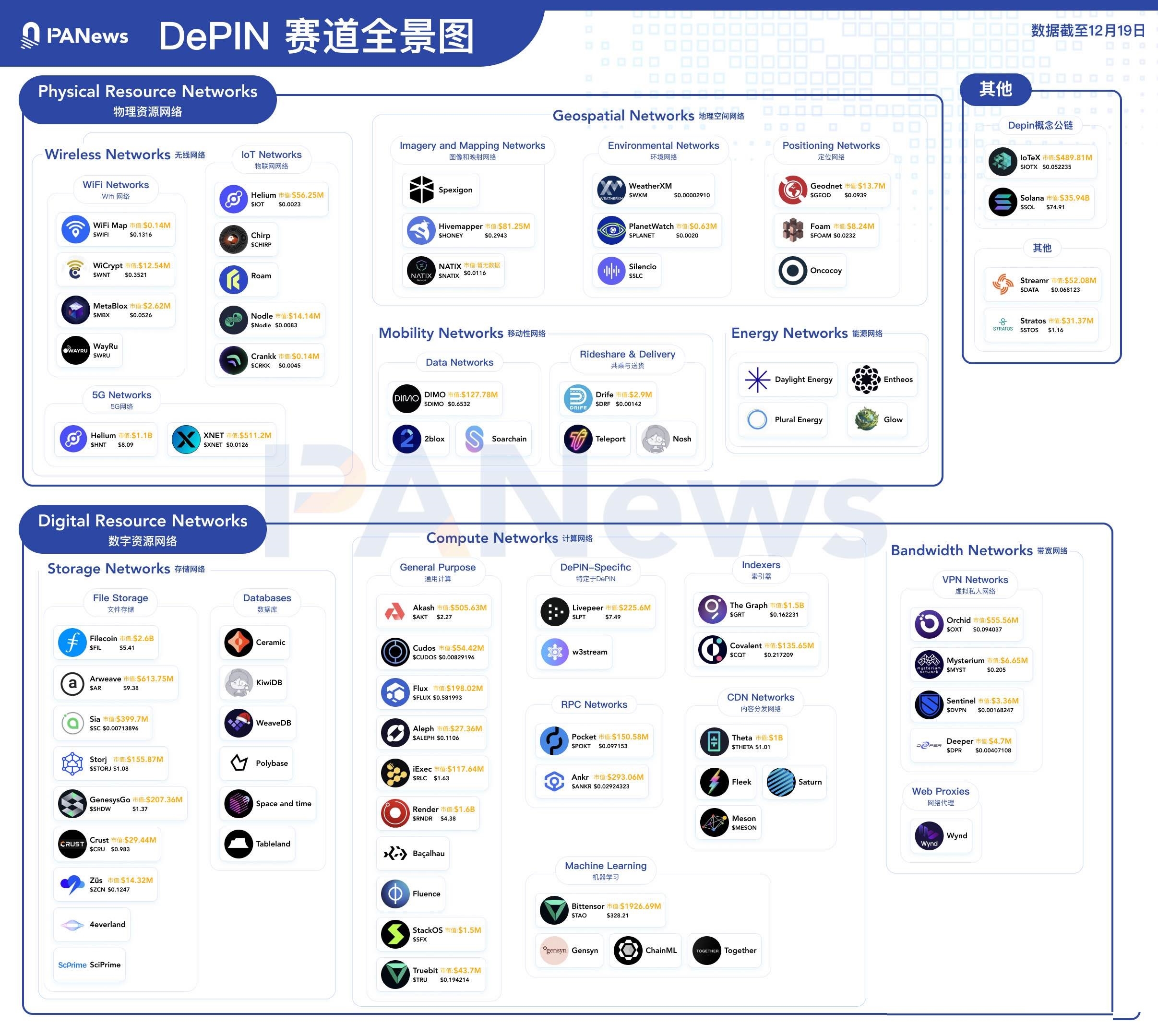
DePIN is an attempt at blockchain application, requiring a long development cycle. Currently, many DePIN projects are being explored in the market, and which project can stand out still needs market validation.
Only applications with real demand can continue to develop, after all, blockchain ultimately needs more practical applications.
I am Chuxiao Chain, let's pay attention to the crypto market together.