
In recent years, the world has witnessed an amazing development in the field of technology, and one of the most prominent of these developments is Blockchain technology, which has become the talk of experts and investors in various industries. This technology is not limited to digital currencies such as Bitcoin and Ethereum, but rather goes beyond them to provide innovative solutions in multiple fields.
What is blockchain technology?
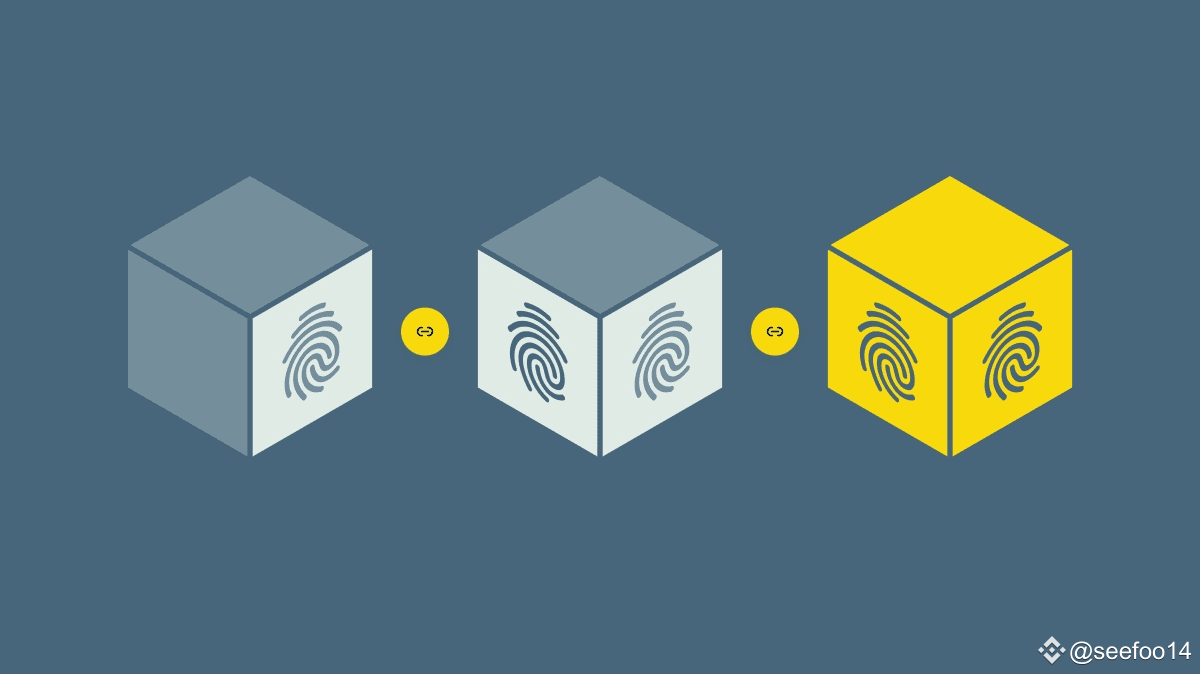
Blockchain is a decentralized system used to record data and transactions in a secure and transparent manner. This system consists of a chain of blocks, where each block contains specific data linked to the previous block. This makes it impossible to modify the data without the consent of all parties involved, ensuring transparency and trust.
---
Blockchain Application Areas
1. Cryptocurrencies:
Cryptocurrencies are the most popular use of blockchain technology. These currencies provide a decentralized financial system where individuals can exchange money without the need for an intermediary such as a bank.
2. Cybersecurity:
Companies use blockchain to secure their data and protect it from hacks. Due to its decentralized nature, it is difficult for hackers to manipulate the system.
3. Supply chains:
Blockchain helps track products from source to consumer, increasing transparency and reducing fraud. For example, it can be used in the food industry to ensure product quality.
4. Health care:
Blockchain can be used to store medical records in a secure and easily accessible way, facilitating the exchange of information between doctors and hospitals.
5. Elections:
Through blockchain, transparent and tamper-proof voting processes can be implemented, enhancing the integrity of elections.
Benefits of Blockchain Technology
1. Transparency:
Blockchain provides a public record that everyone can see, reducing corruption.
2. Security:
Blockchain features strong encryption mechanisms, making it resistant to tampering and hacking.
3. Decentralization:
Blockchain is managed by a network of users rather than a central entity, which increases autonomy.
4. Efficiency:
Blockchain facilitates complex processes such as international money transfers, reducing costs and time.
---
Challenges Facing Blockchain
Despite its benefits, blockchain faces challenges, such as:
Energy consumption: Some blockchain networks require massive amounts of energy to operate.
Laws and regulations: The lack of a clear legal framework hinders the adoption of technology.
Scaling: As users increase, some networks face issues with transaction processing speed.
---
Conclusion
Blockchain technology is not just a means of powering digital currencies, it is a revolutionary system that can change the way we conduct business and exchange data. As innovation continues, blockchain is expected to play a bigger role in shaping the future of the digital world.
If we can overcome the current challenges, this technology could become the foundation for many industries in the future, bringing us closer to a more transparent and secure world.