


Bitcoin has drawn its sand line at $67,000. While the "weak hands" frantically refresh their Twitter (X) feed, smart investors know that the fortunes of tomorrow are built in today's red.
A correction of -20% is not a condemnation, it's a filter. But beware: don't fall into the trap of "it's cheap". During downturns, some projects collapse because they are fragile; others simply drop due to a lack of overall liquidity.
Here is my 3-step surgical method to separate the wheat from the chaff and identify the assets that will lead the charge during the next rebound.
1. The "Relative Strength" Test (The Alpha Signal)
It's the simplest indicator, yet the most ignored by the crowd. In the midst of a crash, your best ally is not the price chart in dollars, but the direct comparison.
The Method: When BTC drops by 5% or 10%, don't look at what is falling; look at what is holding steady. If an asset only loses 1% or remains stable in the storm, you have found a market anomaly.
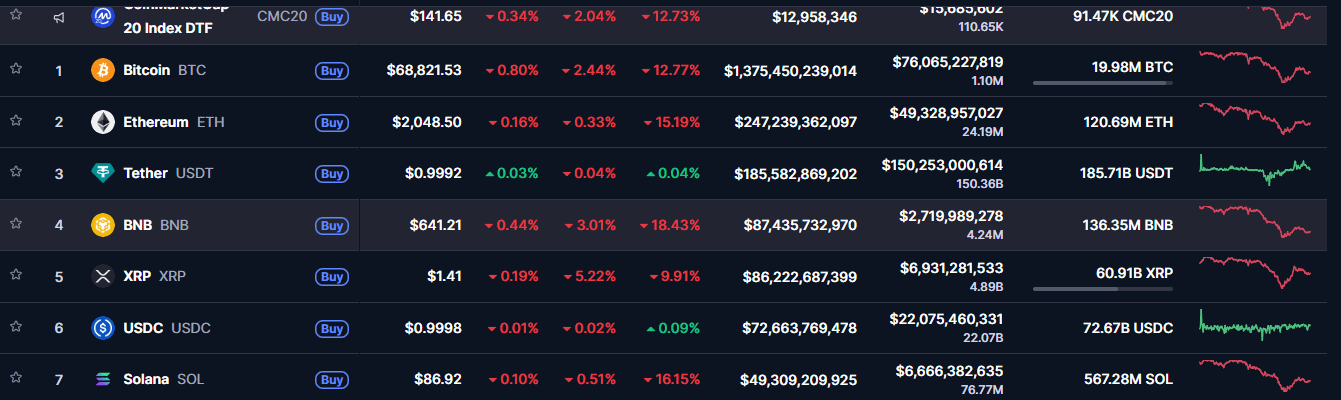
The "Why": Relative stability means there is massive buying pressure absorbing every sale. These are often institutions or "insiders" quietly accumulating.
The indicator to watch: Forget the USD pair. Watch the Asset/BTC pair. If the chart of this pair rises while the overall market falls, you have a future leader in front of you. It's the famous "spring effect": as soon as Bitcoin stabilizes, these tokens are the first to soar to new heights.
2. The Fundamental Value / Price Ratio (TVL and Revenues)
In 2026, the era of empty promises is over. We no longer bet on a "vision"; we bet on protocols that work as real decentralized businesses.
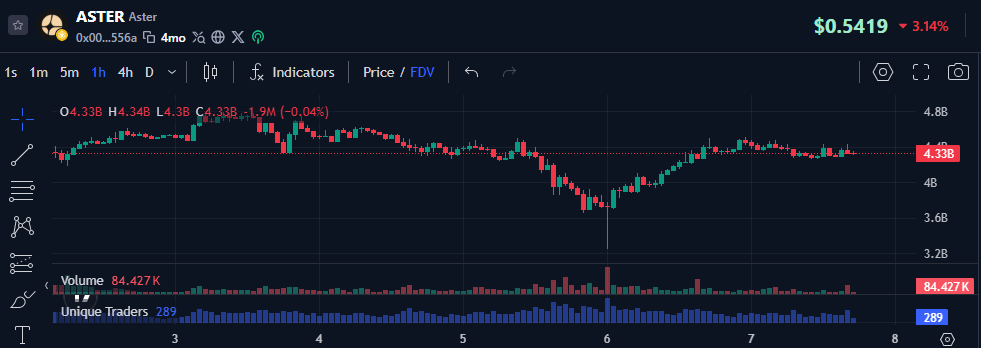
The P/S Ratio (Price to Sales): It is the judge of peace. If the market capitalization of a DeFi project (like a decentralized exchange or an AI protocol) drops by 30% while its trading volumes and fees generated increase, the token becomes mathematically undervalued. The market sells the price but ignores the growth of activity.
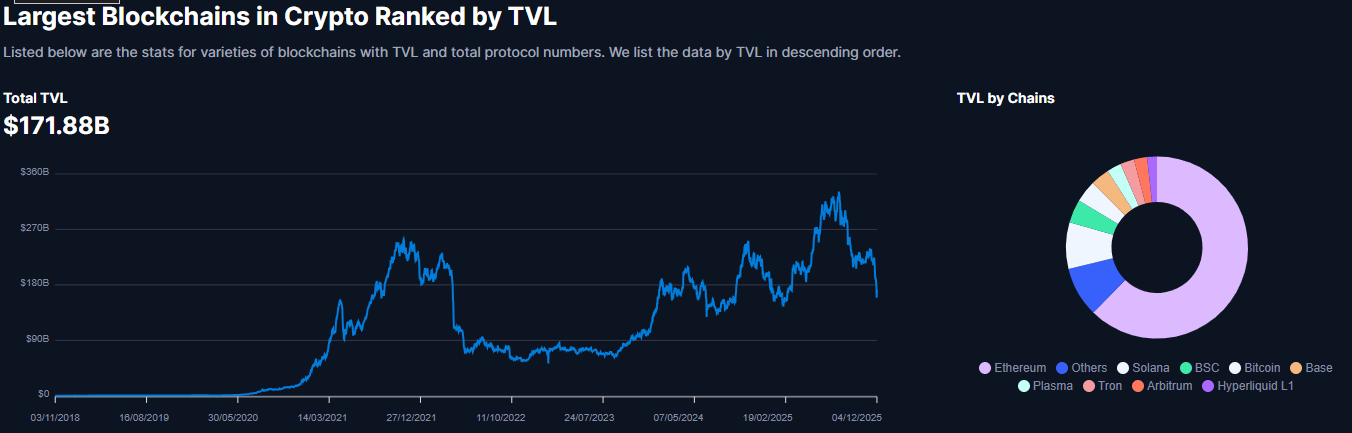
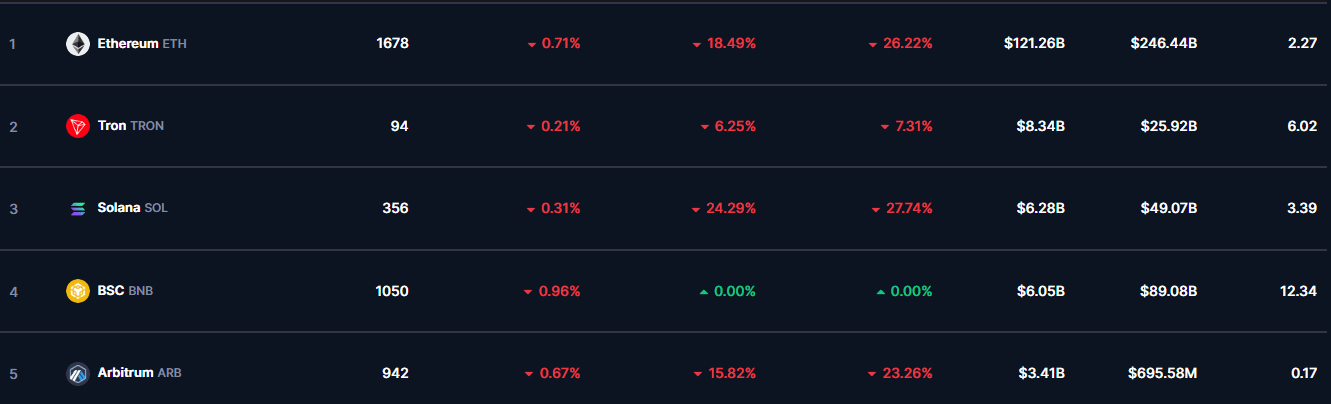
The TVL (Total Value Locked): It is your trust barometer. If the price of a token collapses but the TVL (the total amount deposited in the protocol) remains stable, it proves one thing: real users are not leaving. They continue to use the product despite volatility.
The opportunity: Buying a protocol that generates cash when its price is at its lowest ensures a multiplied yield during the recovery.
3. The "Wallet Tracking": Following the scent of fresh money
Whales do not panic; they wait for you to panic to do their shopping at discounted prices.
The Method: Use on-chain transparency tools like Nansen or Arkham. Don't look at what people say; look at what their wallets are doing.
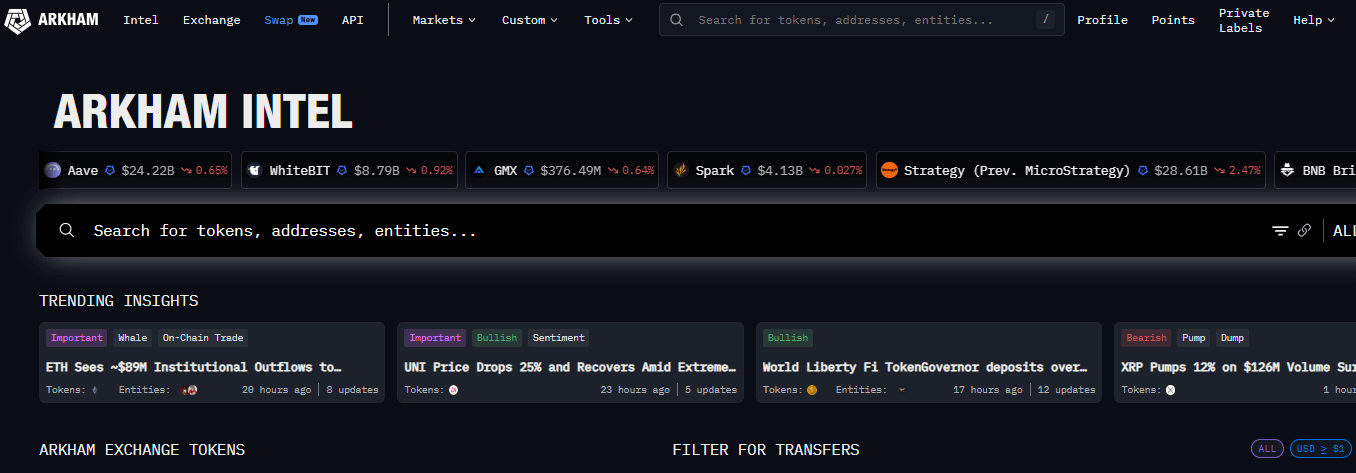
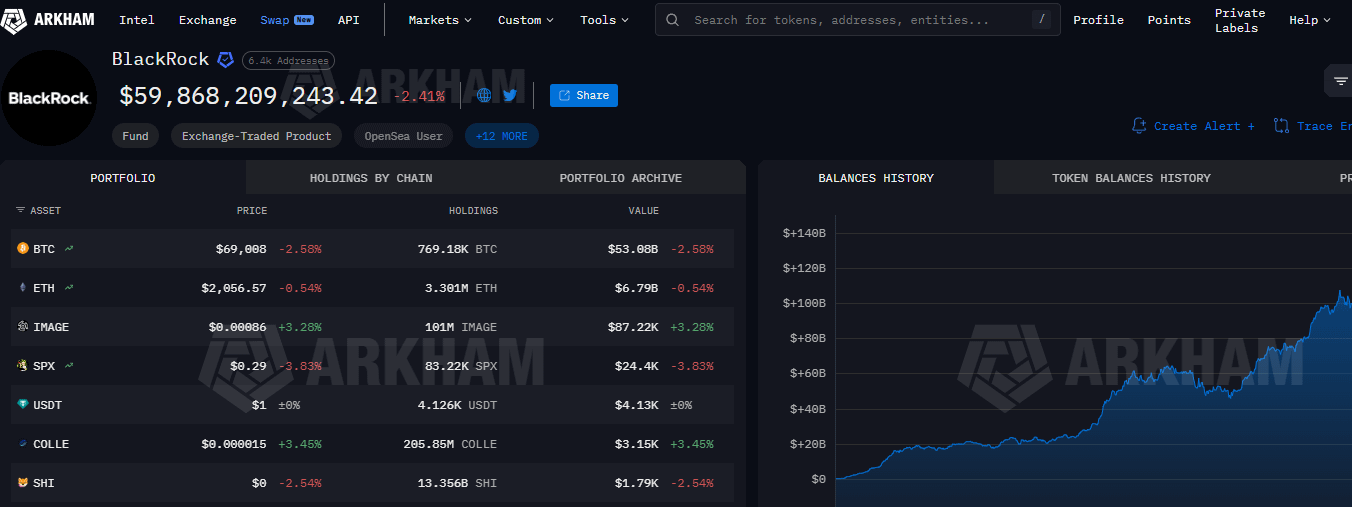
The Signal: Look for the "Smart Money Wallets" (historically profitable wallets). If you observe massive inflows of stablecoins into specific protocols while the sentiment on social media is at its lowest, it's a sign of institutional accumulation.
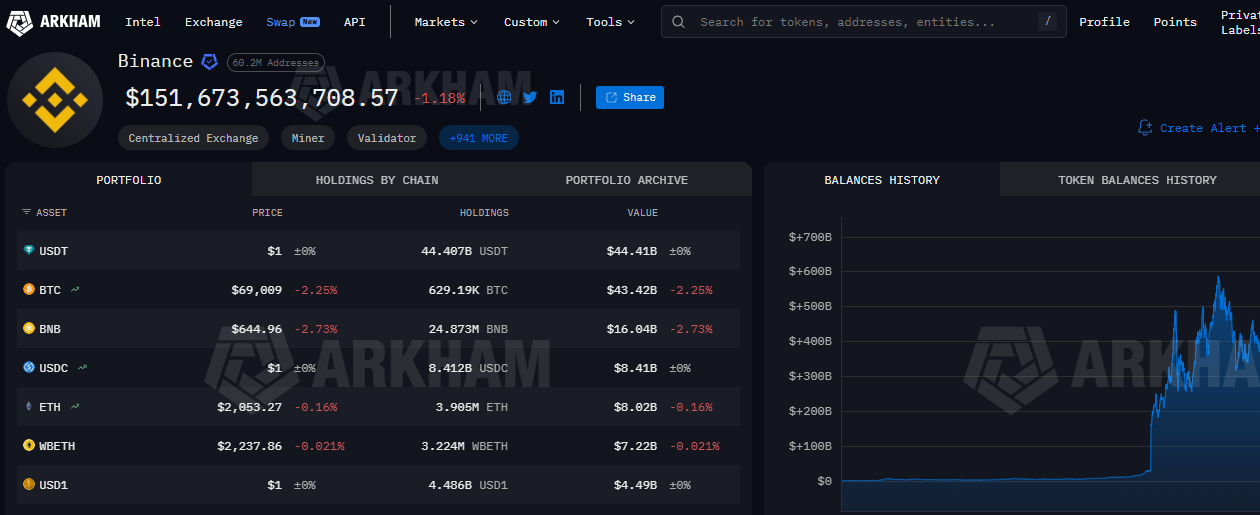
The analysis: Institutions are not trying to "catch the falling knife"; they place massive orders on key support areas (like our current area of $67k). They are preparing the ground for the next quarter while the crowd liquidates their positions.
The doctor's golden rule: We do not buy a project because it is "cheap". We buy it because it is essential, it generates real value, and the market has temporarily forgotten it in an irrational panic. For example, blockchain tokens; a blockchain does not exist without its native token.
Conclusion: Don't look for the casino, look for the infrastructure
The "Season 2" of COVID and the banking tremors of early 2026 act as a purifier. Projects without real utility will disappear. Those that remain standing in March 2026 — those with relative strength, real income, and support from whales — will be the kings of the next rally towards $150,000.
And you? Which project has survived your own "stress test" today? Give me your tickers in the comments, and I will analyze the most promising ones in my next post!
#Altcoins #CryptoStrategy #Investing #BearMarket #SmartMoney #Bitcoin2026 #BuyTheDip