Many people ask me: why did I dare to enter the market when the big drop on c-36/ 6 occurred and the panic index soared to 5?
To be honest, I don't understand complex candlestick charts, but I have a continuously validated information filtering system.
In the AI era, technology is becoming commonplace, while the 'ability to process information' is the real luxury.
How did I make money by exploiting information gaps?
1/ Locking in on 'high-density' targets, seeking major directional energy is limited, only looking at major targets like BTC and gold.
They gather the smartest money and the top-tier information sources from around the world.
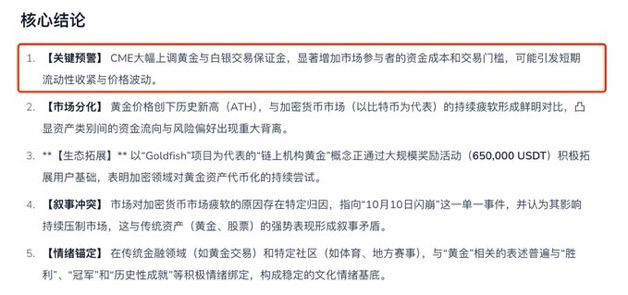
Through the AI summary from @Saymore_ai, I caught the significant increase of 2.7 in CME's gold and silver margin requirements. This released a signal: the dealer is about to start 'dividing the cake', and high volatility in the future is inevitable, at this time, what we need to do is wait for the extreme pullback.
2/ Core indicators: track the divergence between 'popularity' and 'funds'.
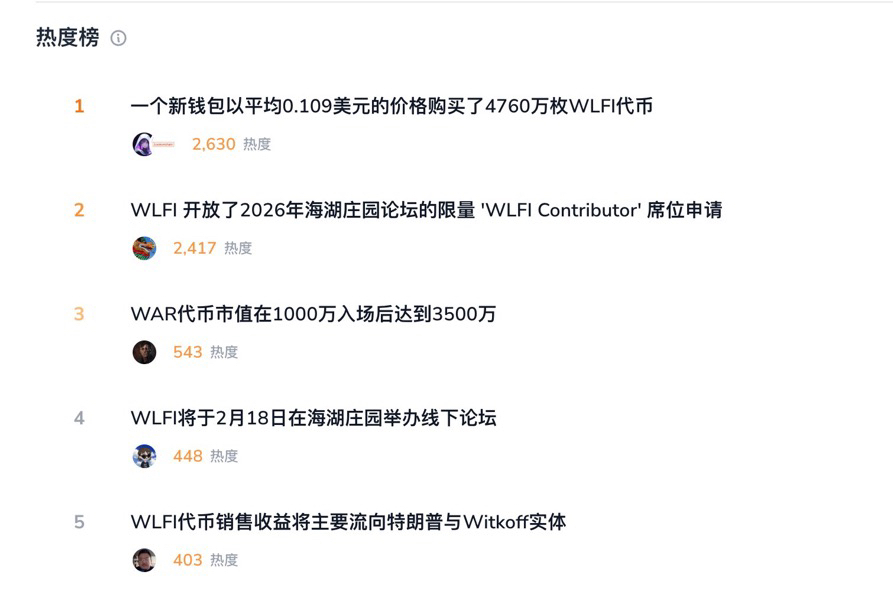
Monitor popularity (real buying interest): I saw on Saymore that a wallet invested 4.83M to buy WLFI; combined with subsequent official activities, this is genuine investment.
Observe resilience (emotional contrast): During the extreme panic on the 6th, the market was terrified, but the popularity of BNB on Saymore rose instead of falling, even reaching a new high on the 7th.
This extreme divergence of 'price drop, popularity rise' is the most reliable bottom-fishing reassurance.
3/ Analyze the views of major influencers and seek 'consensus inertia'
Do not blindly follow what major influencers say; look at how many chain reactions their statements provoke.
Many overseas major influencers' views are 'tasks', but as long as enough people believe, it will form 'consensus inertia'.
When the narrative of 'funds flowing from gold to cryptocurrencies' receives 139k reads, it indicates that the underlying market perception may shift.
4/ Capture information differences: look for the bottom amidst the insults.
First-hand information from X is often fragmented; second and third-hand information is the logic. During the significant drop on the 6th, I observed that everyone was criticizing and bearish, but in reality, not many claimed they were ready to sell. Negative news hit the market, yet no one sold; this could be the short-term bottom.
Summary: For those not skilled in technical analysis, information is the only and best tool for decision-making.
In this era, information = money.