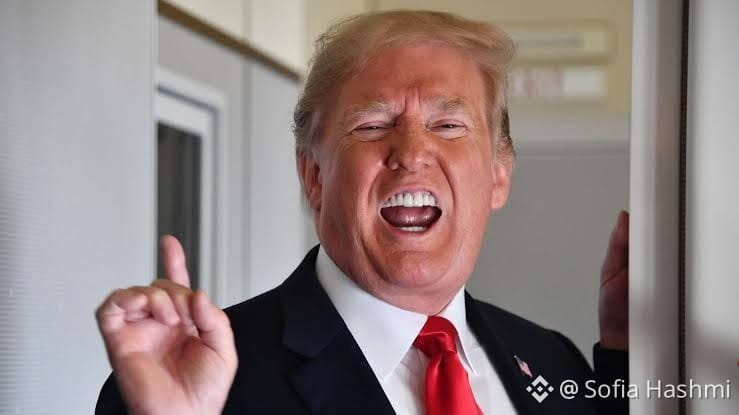
Recently, U.S. President Donald Trump said something that made the world talk. He boasted that he could achieve the best employment numbers or the worst unemployment numbers the world has seen — just by how he uses the federal government. Trump claimed that if he wanted to, he could overnight hire millions of people for government jobs and drastically reduce the official unemployment rate… or do the opposite and drive it to a record high. This kind of statement shocked economists and ordinary people because no recent president has publicly claimed that he can directly control job numbers.
Trump's point was that the government has power — for example, by adding or cutting jobs — that can push statistics up or down. But many experts warn that unemployment figures do not change simply by the president's desire; they depend on real economic growth, private sector employment, inflation, and global markets. In fact, while recent U.S. data showed some strong job creation in early 2026, unemployment also rose in parts of the recent reports, and many Americans still feel economic pressure.
🌍 This comment was not just a political slogan — it raised real questions about how numbers are reported and how powerful leaders talk about the economy. Some people saw it as a kind of bold confidence, while others considered it a dangerous oversimplification because jobs and unemployment are affected by complex forces beyond the control of any individual president. The world watched in astonishment as this economic drama unfolded — with real consequences for millions of workers.