

Recently, the Consensus Hong Kong 2026 conference has sparked heated discussions within the cryptocurrency community. This conference brought together core figures from the global cryptocurrency industry, project parties, and investors, who shared their judgments and feelings about the current industry from different perspectives.
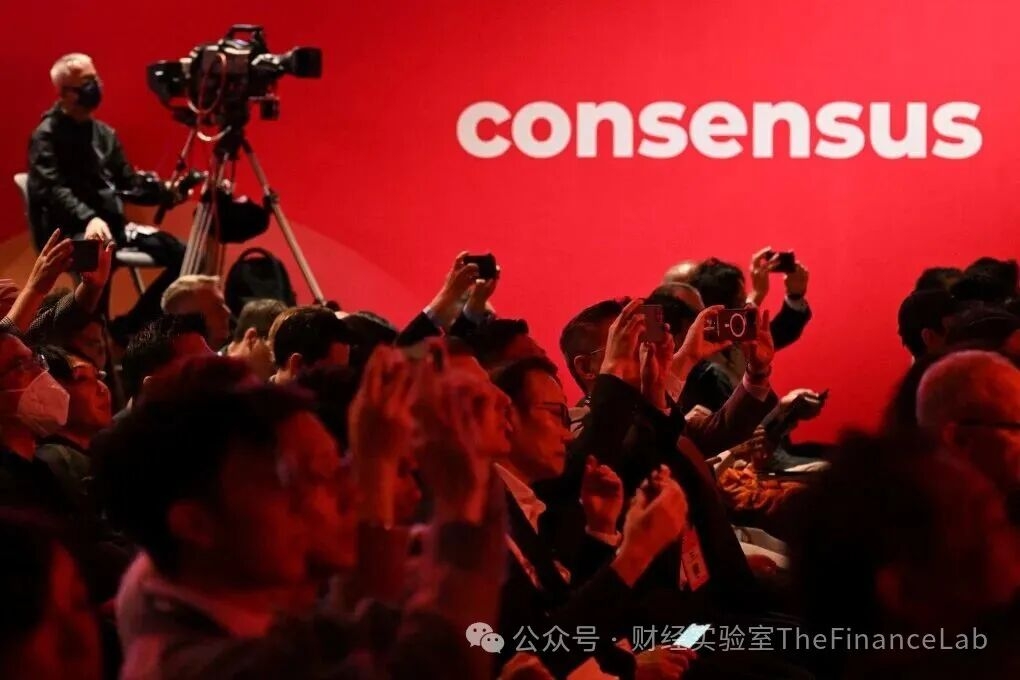
Through frontline observations and discussions with guests, a seemingly pessimistic 'consensus' gradually emerged: the cryptocurrency industry is no longer in its glorious era as it once was.
Unlike previous years, the atmosphere at this year's conference venue is relatively quiet. There are not many industry hot topics, and the main discussions often focus on compliance, infrastructure construction, and institutional business, rather than the previously high-profile new projects and new tracks. There are more institutional faces on site, and retail investors and early entrepreneurs have significantly decreased compared to previous years, which means that the industry is accelerating towards 'institutionalization and maturation.'
Many guests expressed similar feelings: low industry sentiment, lack of a common growth narrative, and a significant amount of capital and attention beginning to shift towards the AI track. The integration of AI and Web3 has become a new trend, with project parties generally branding AI as a label in product and financing narratives, and some teams even transitioning directly from purely crypto fields to AI-related businesses. Overall, AI is stealing the attention and resources that the cryptocurrency circle originally possessed.
At the same time, the evaluation of the future of the cryptocurrency sector within the market shows a trend of divergence. Some people believe that the industry has not 'perished', but has entered a transformation period: the traditional 'speculating on coins + rapid explosion model' is no longer applicable, replaced by directions more focused on compliance, payments, stablecoins, and real-world assets (RWA), which may be beneficial for the long-term healthy development of the industry.
There are also views that this conference reflects a certain emotional state of the industry: not complete decline, but rather 'no enthusiasm but not giving up'. Participants are more focused on how to find new opportunities in a stagnant market, rather than chasing short-term profits.
Overall, the consensus reached at this Hong Kong Consensus Conference indicates that the cryptocurrency sector is not facing complete extinction, but rather signaling a transition from rapid growth to a mature and stable phase. The cryptocurrency sector still has potential, but the original narratives and ecological patterns are changing rapidly.