
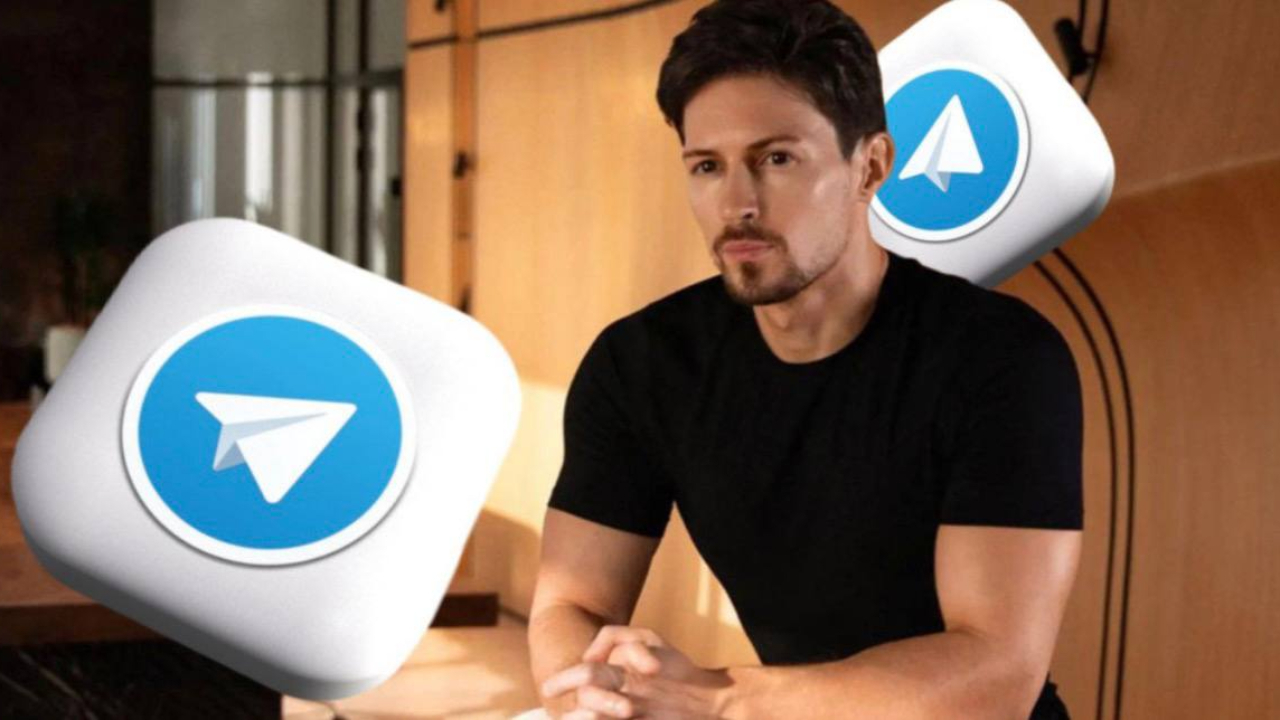
«Terrorists use cars, but 'Renault' is not closed»: the paradox of Telegram and the search for national sovereignty
Author: Yan Krivonosov
The situation around Telegram and its founder Pavel Durov has once again exposed a deep conflict between security, freedom of speech, and technological sovereignty. On one hand, we are informed about the initiation of a criminal case against Pavel Durov for 'aiding terrorism'. On the other hand, one recalls the very precise words of Kremlin spokesman Dmitry Peskov from August 31, 2024: 'Yes, indeed, terrorists use the Telegram network. But terrorists also use cars. Why aren't they arresting the CEO of [French automotive company] "Renault" or "Citroën"?'
The logic here is ironclad. The tool itself is neutral. Criminals use knives, hammers, and social networks. And yes, scammers today actively operate not only on Telegram but also on marketplaces (Wildberries, Ozon) and in other messengers. If a crime is committed, the perpetrator must be found and punished regardless of the platform. It is bad when Telegram (or anyone else) does not provide data on these criminals, especially when it comes to serious crimes and threats to people's lives. Assisting the investigation is the foundation that would really help investigate and prevent new tragedies.
But it seems to me that what is needed here is not a ban, but a negotiation process. Durov's words that 'every day the authorities invent new reasons to restrict access for Russians to Telegram, seeking to suppress the right to privacy and freedom of speech. A sad sight of a state afraid of its own people' — this is an emotional but important position. You can argue with this thesis, but you cannot deny that for millions, Telegram is not just a messenger. It is a whole ecosystem with mini-applications, blockchain, and payment services. It is a connection to the outside world. Not everyone abroad knows what Max is (and whether they have the right not to want to download it?). This is their choice.
Sovereignty vs Convenience: Where is the balance?
We definitely need our own sovereign messenger. It should have been created not 'in a hurry' now, but systematically, over the years. Look at how 'Public Services' developed. We have come to the point that it is one of the best portals in the world, but the path was long, and people got used to it slowly. Today we are massively switching to Russian applications and app stores. This is right from a security standpoint, but there is also a risk: if Max suddenly falls under sanctions and is removed from the stores by Western giants, what then? Right now, everything depends on it. Thinking one step ahead is the responsibility of the state.
We need competition, not bans.
President Putin once remarked very aptly about internet restrictions: 'If the authorities do not like what is being written on this platform, the only way out is to propose other solutions to the problems on the same platform and do it more creatively, gathering more supporters.' Those are golden words!
Bans are harmful not only from the perspective of freedom but also for the economy. They hit our own entrepreneurs who do business on Telegram, create mini-applications there, and work in the international market. Earning only within the country is very difficult today.
We have managed to make a leap in import substitution. We have survived the most serious sanctions in history. Remember the 'anti-sanctions' of 2014 and the food embargo: back then we were told that without parmesan and jamón we would perish. We did not perish! Our own excellent cheese factory appeared, livestock farming has grown, and furniture makers have occupied the freed niches. The numbers speak for themselves: the agricultural sector has multiplied, and furniture production in Russia has increased by tens of percent in recent years. We can do this.
We can, but do we?
We can create our own phone no worse than the Chinese, our own messenger, our own blockchain, and stablecoins. But here arises the question: 'We can, but why?' Right now we are actively purchasing Chinese phones. But the Chinese will not always be kind.
One day geopolitics may change, and they will be forced to comply with all sanctions against Russia. Then this will hit us hard.
Therefore, we should not ban competitors (like Telegram), but develop our own tools in a healthy competitive environment. Give VK (Max) time to become as convenient as Telegram. People do not tolerate violence against themselves; they go where it is convenient. But if they are offered a better service — they will come by themselves. This is true sovereignty, not a digital 'iron curtain.'
I really hope that our authorities will come to an agreement with Pavel Durov. After all, Pavel is a Russian man, born in Leningrad. I want to believe that Telegram will open official offices in Russia, become a full-fledged partner, not an enemy. And then, having preserved a convenient tool, we will solve both security issues and provide space for growth for our developers.
I stand for a strong Russia. But a strong Russia is one that knows how to negotiate and create the best.
#Telegram #ПавелДуров #Web3Россия #TON #ТехнологииБудущего