
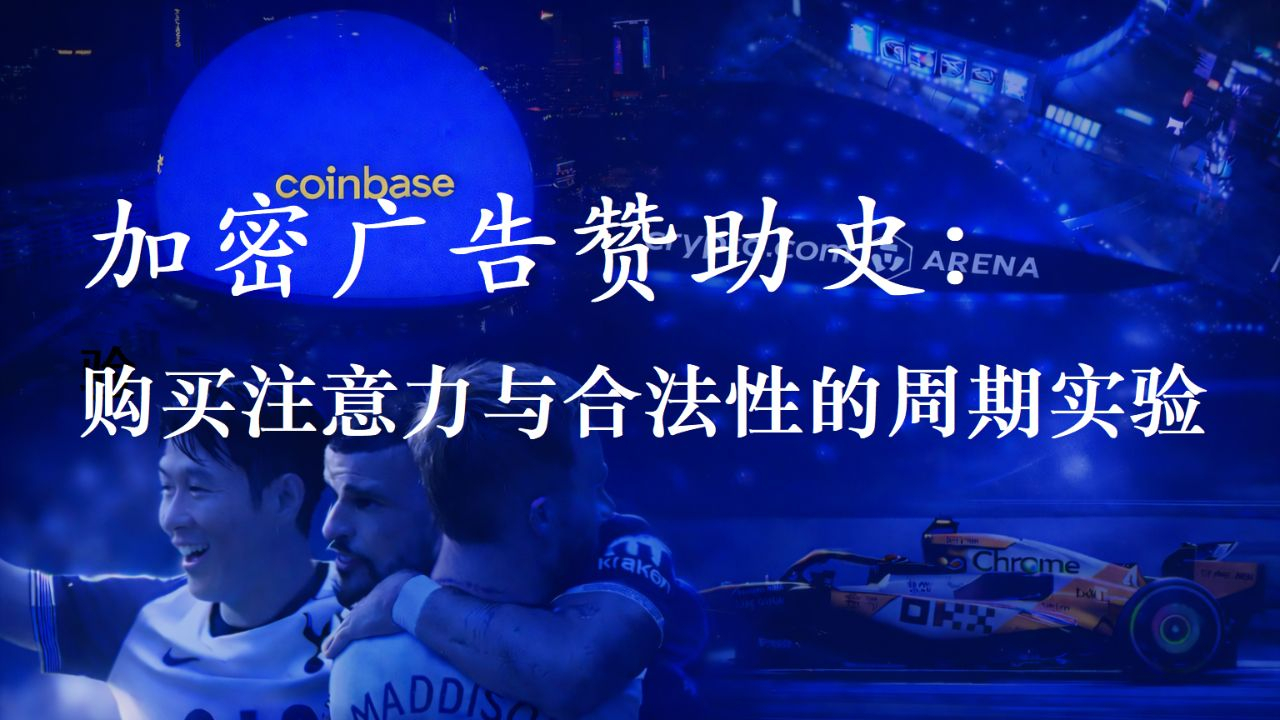

In February 2026, when Coinbase's advertisement flashed again on the huge LED screen of the Super Bowl, accompanied by the Backstreet Boys' classic song with the slogan "Crypto. For everybody.", the audience reacted with mixed feelings, with more negative than positive comments, which was a stark contrast to the crazy night four years ago known as the "Crypto Bowl."
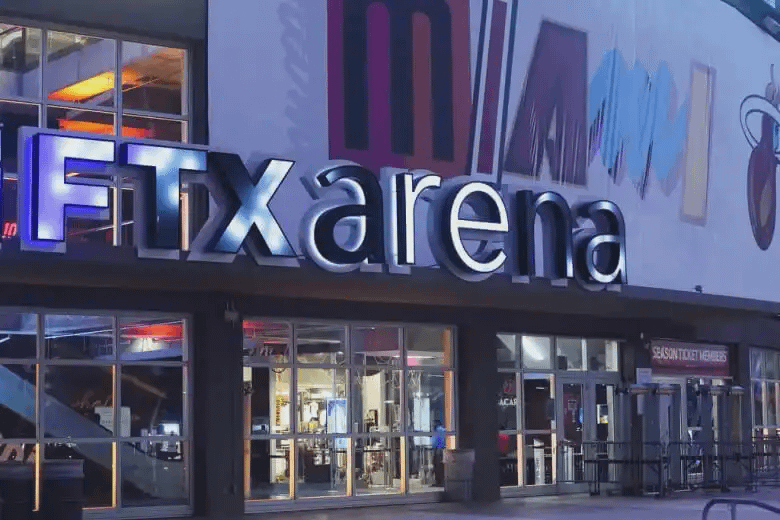
At that time, FTX's logo was still prominently displayed above the Miami Heat's arena, and crypto companies were waving huge checks, trying to buy decades of trust from mainstream society in just a few days. However, the subsequent crash, lawsuits, and the farce of renaming the venue turned this "attention experiment" into one of the most expensive jokes in sports history.
On the surface, it appears to be a brand business, but in essence, it resembles a stress test: when sponsorship embeds financial narratives into the daily lives of fans and viewers, trust is magnified. This is essentially a long-term experiment on how 'high-risk financial products can gain attention and legitimacy through high-trust public institutions.'
Sponsorship from crypto companies: Starting from the 'Big Coin' era
In 2021, with the emergence of a phenomenal bull market, the rapidly capital-absorbing cryptocurrency companies began to penetrate sports and culture fiercely. Cryptocurrency exchanges and blockchain projects started to directly place their brands on top-tier leagues, major venues, and global sports broadcasts, which are the most expensive and visible public attention entry points.
In March of that year, Miami-Dade County reached a 19-year venue naming agreement with FTX, renaming the Miami Heat's home court to FTX Arena. This transaction, which embedded a crypto company into a city landmark, initiated the large-scale entry of crypto advertising into the mainstream narrative of urban public spaces.
That summer, Crypto.com reached a fight kit level collaboration with UFC, disclosed by CNBC as a 10-year deal worth approximately $175 million. In traditional sports, this level of sponsorship is considered one of the most core commercial assets. Later in October, Coinbase achieved a multi-year official partnership with the NBA/WNBA, with the brand logo prominently appearing on the basketball hoop base.
In November, the news of the Staples Center being renamed as Crypto.com Arena further reinforced this breaking down of barriers. This arena is not only the home of the Los Angeles Lakers, a prestigious team, but also a super landmark for Los Angeles' performance, music, and entertainment industry, and this naming rights directly ties the crypto brand to the center stage of sports and pop culture.
During the same period, European football also began to rapidly engage, with Binance becoming the main sponsor on the front of Lazio's jersey, promoting fan tokens, interactive rights, and other narratives, merging exchange sponsorship with Web3 products into a single commercial chain.
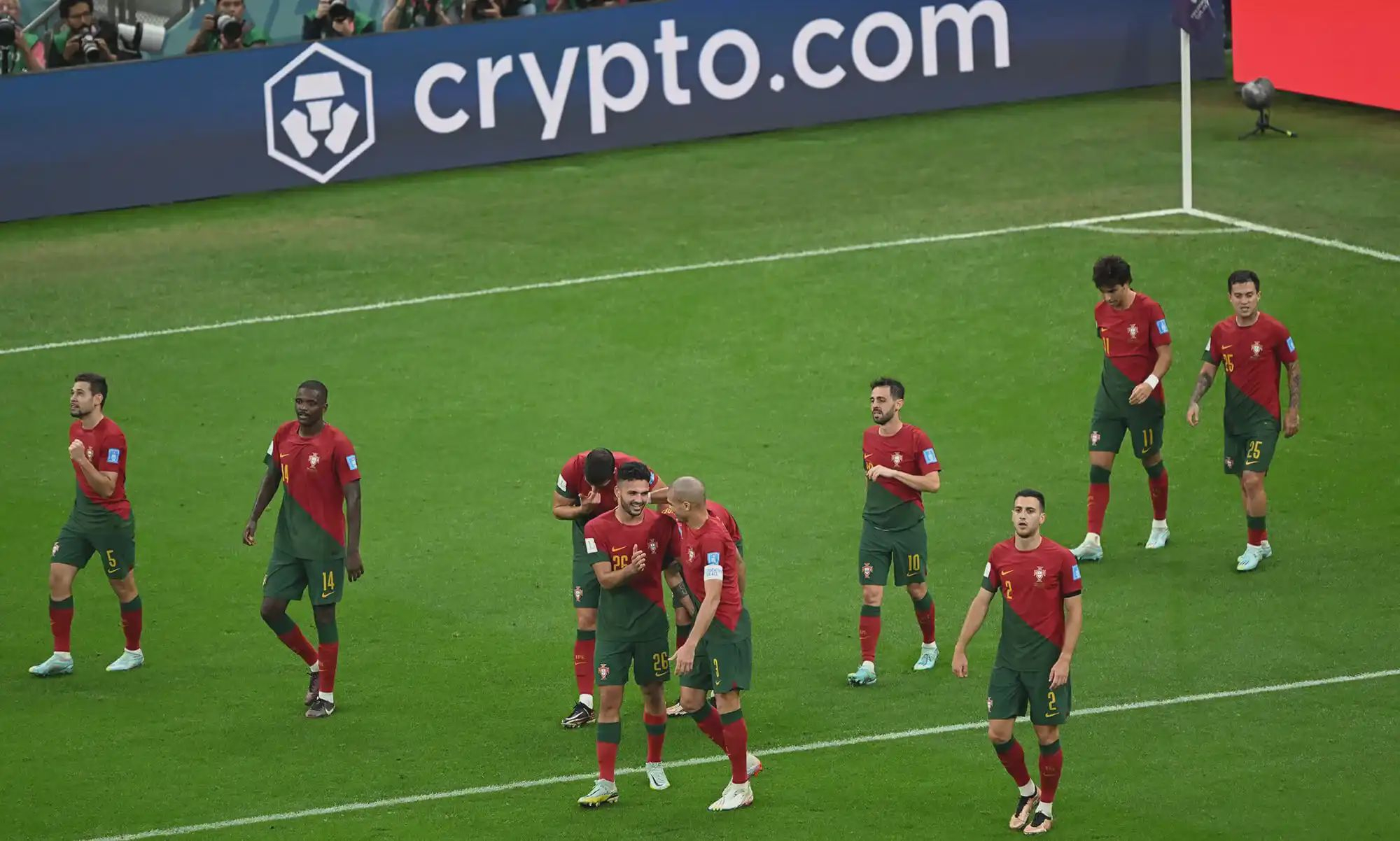
Entering 2022, this curve continued to rise and reached its peak at the global event level. Crypto.com not only became a global partner of the F1 Sprint series but also secured the status of official sponsor of the 2022 Qatar World Cup, marking the first time a crypto company entered the largest single sporting event in the world with official status, almost covering the entire population.
The crypto industry's aggressive marketing campaign quickly reached a turning point at the end of 2022. The collapse of FTX quietly turned naming rights into negative assets. In January 2023, the bankruptcy judge officially terminated the naming agreement between Miami-Dade County and FTX, after which the venue entered a process to de-FTX and seek new sponsorship. This event also became a negative example in the history of sports and cultural sponsorship.
After 2023, the industry as a whole entered a phase of contraction and reevaluation. Many collaborations shifted from venue naming and top-tier official sponsorships back to more quantifiable ROI forms such as jersey sleeve sponsorships, training kits, digital content rights, and fan interaction activities, while sponsors also emphasized compliance and sustainable exposure.
In the football sector, OKX's partnership with Manchester City is a more controllable version: starting from the official training kit collaboration in 2022, it expanded to a higher exposure sleeve partnership, resembling a gradual upgrade of traditional sponsorship rather than a one-time gamble. From a macro narrative perspective, the main line during this phase is no longer ubiquitous crypto advertising but how sports cultural institutions reprice between new income, reputation, and compliance risks.
In the past two years, a more subtle change has emerged. Crypto sponsorship has not disappeared but is more inclined to repackage its relationship with the mainstream using stablecoins, compliant products, and brand credibility.
For example, the collaboration between Aston Martin F1 and Coinbase in 2025 was described as the first publicly announced case of sponsorship fees being paid in full with stablecoins. Coinbase's exposure during the Super Bowl in 2026, with its slogan "Crypto. For everybody." at the end, demonstrates its attempt to pull cryptocurrency back into the mainstream narrative of "universal participation" from its early niche.
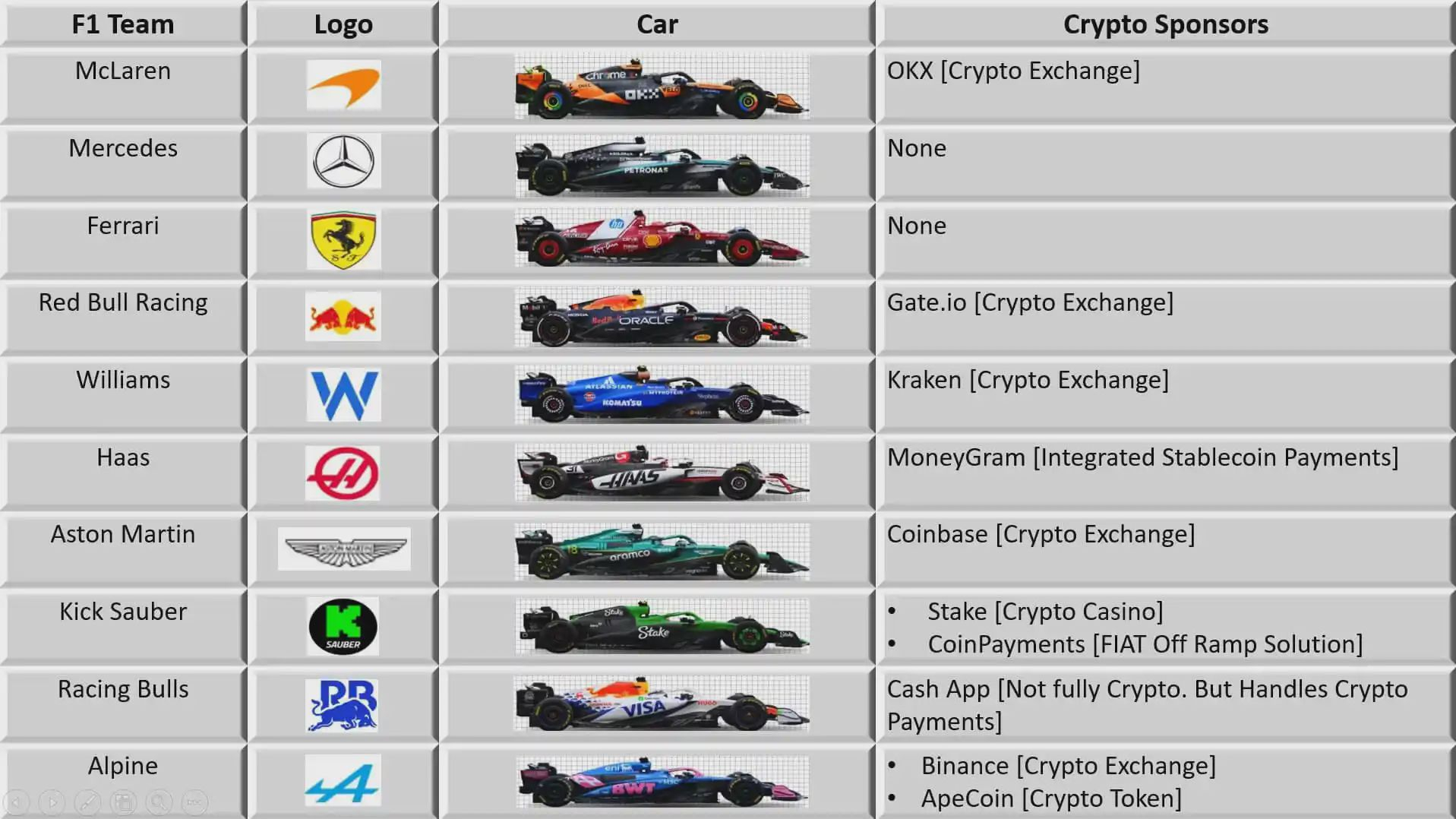 The collaboration between F1 teams and crypto sponsors in 2025 (source: reddit)
This year's F1 season is set to start in March, and last year, the cryptocurrency industry spent $174 million just on F1 sponsorship projects. This year, crypto sponsorship has reached a new high: 11 teams have 9 companies sponsoring them.
Exposure, traffic generation, and controversy
In the various advertisements and sponsorships of crypto companies, the exposure and conversion effects brought by medium to long-term collaborations are difficult to estimate, but in a one-time investment like the Super Bowl, its early effects are quite significant.
In 2022, on the day of the Super Bowl, Coinbase saw a week-on-week growth in installations of 309%, with an additional 286% increase the next day; eToro experienced a 132% increase on the same day and 82% the next; FTX had a 130% increase on the day and 81% the next. Coinbase's QR code advertisement led to a massive influx of users scanning it, causing the app to crash or experience access issues. This indicates that the short-term conversion capability of Super Bowl advertising does exist, at least sufficient to create peaks in downloads and activations.
However, this explosive growth does not automatically translate into long-term retention, asset accumulation, and regulatory operating capability. At the medium to long-term level, the hidden costs of sponsorship often manifest during tightening regulations and enforcement cycles.
Taking the partnership between Premier League club Arsenal and Socios for fan tokens as an example, the UK Advertising Standards Authority (ASA) ruled in 2021 that Arsenal's promotional content downplayed high-risk decisions in the context of crypto assets and did not sufficiently warn about key risks such as taxes. Ultimately, it required that the related advertisements could not reappear in the form of complaints, and the club also needed to adjust the presentation of pages and risk warnings.
As the world's largest sport, football has always been a favored traffic entry point for crypto companies. Compared to those willing to invest heavily, companies entering football leagues and clubs are more complex, generating more controversies and negative impacts.
In 2024, a book titled (No Questions Asked: How football joined the crypto con) will be officially published, describing football's embrace of crypto sponsorship as a collective dereliction driven by greed and luck, resulting in fans being treated as outlets for high-risk, low-regulation financial products, while clubs often do not apologize, explain, or commit to improvements after a crash.
In the conflicts at the levels of sports and the arts, the core issue is that organizations introduce high-risk sponsorships under financial pressure, potentially binding their own reputation with the credit of the counterpart. Sports sponsorship research categorizes this damage into operational risk and reputational risk: once a sponsor collapses or encounters significant controversy, the sponsorship asset transitions from a 'credit enhancement tool' to 'negative asset.'
Expanding to the sociological perspective, the controversy centers around crypto companies leveraging the emotional communities of sports and culture (fans, music lovers, movie enthusiasts) to lower participation thresholds, packaging high-volatility assets as identity, interests, and trends, thereby amplifying FOMO and herd diffusion.
The UK Advertising Standards Authority (ASA) pointed out in the Floki Inu London Underground advertising case that it 'exploited fear of missing out, trivialized investment risks, and was irresponsible toward inexperienced individuals,' becoming a typical expression of regulatory language. Collaborations with film festivals, art exhibitions, and awards also serve similar functions, but this 'cultural legitimization' does not equate to financial appropriateness; it resembles a transformation of symbolic capital: replacing risk explanations with cultural authority and product understanding with brand associations.
Regulation and enforcement gradually catch up
In the face of the expansion and controversy of crypto sponsorship in sports and culture, regulatory agencies are gradually completing the rules.
In the UK, financial regulators announced in 2023 that from October 8, stricter requirements would be implemented for crypto asset marketing aimed at UK consumers, including a cooling-off period for first-time investors, enhanced risk warnings, and a clear prohibition on improper incentives such as referral bonuses.
ASA has landed standards such as 'whether risk display is sufficient,' 'whether it exploits inexperience,' and 'whether it encourages debt purchases' into specific texts and deployment scenarios through intensive rulings, and in 2026, it will expand the review scope to 'whether crypto is packaged as a solution to real financial problems.'
In the US, consumer protection agencies updated the 'disclosure obligations of influencers and advertisers' guidelines from the perspectives of advertising and anti-fraud, and released an updated endorsement guideline in 2023 to address platform distribution and influencer marketing. They also revealed through data reports that crypto scams are prevalent, strengthening public education and platform governance pressure. Futures and derivatives regulatory agencies continuously publish risk education materials for digital assets to prevent the public from falling into related fraud.
In the EU, the MiCA framework explicitly requires relevant service providers to communicate with potential holders in a fair, clear, and non-misleading manner, alongside consumer risk warnings and reminders about regulatory boundaries. EU regulators also published risk warnings aimed at consumers. With the rise of social media financial content influence, EU securities regulators released a fact sheet aimed at 'finfluencers,' emphasizing the necessity to significantly disclose compensation and interests and not to obscure advertising attributes with hidden labels.
The aforementioned regulatory framework suggests that future sponsorship will resemble the routine marketing of regulated industries. The effectiveness of these measures is reflected in three points: first, the minimum risk disclosure standards for advertising texts are being raised, especially in the UK’s adjudication practices; second, the disclosure obligations for celebrity endorsements are shifting from 'moral expectations' to enforceable rules; third, cross-border platform distribution is being incorporated into regulatory narratives (even if the advertisement is produced overseas, it may still be regulated if targeting domestic consumers).
However, the regulatory gaps remain equally clear. The legal attributes of many tokens or experiential rights are ambiguous, causing regulators to only address surface issues based on whether there is misleading information and disclosure.
Sponsorship contracts pertain to commercial transactions between enterprises and clubs, relying on both parties' agreements within the contract. Regulators typically find it difficult to impose unified risk control standards such as 'naming rights' on such commercial transactions, and can only intervene from perspectives such as advertising compliance and consumer protection.