

The escalation of war between Israel and Iran continues to devalue the Iranian Rial. 1,000,000 Rials ≈ 5 Chinese Yuan, ≈ 0.76 US dollars.#美以袭击伊朗
When fiat currency loses trust, funds will seek new value targets. Historical experience shows that these funds often flow to the US dollar, gold, stablecoins/Bitcoin.
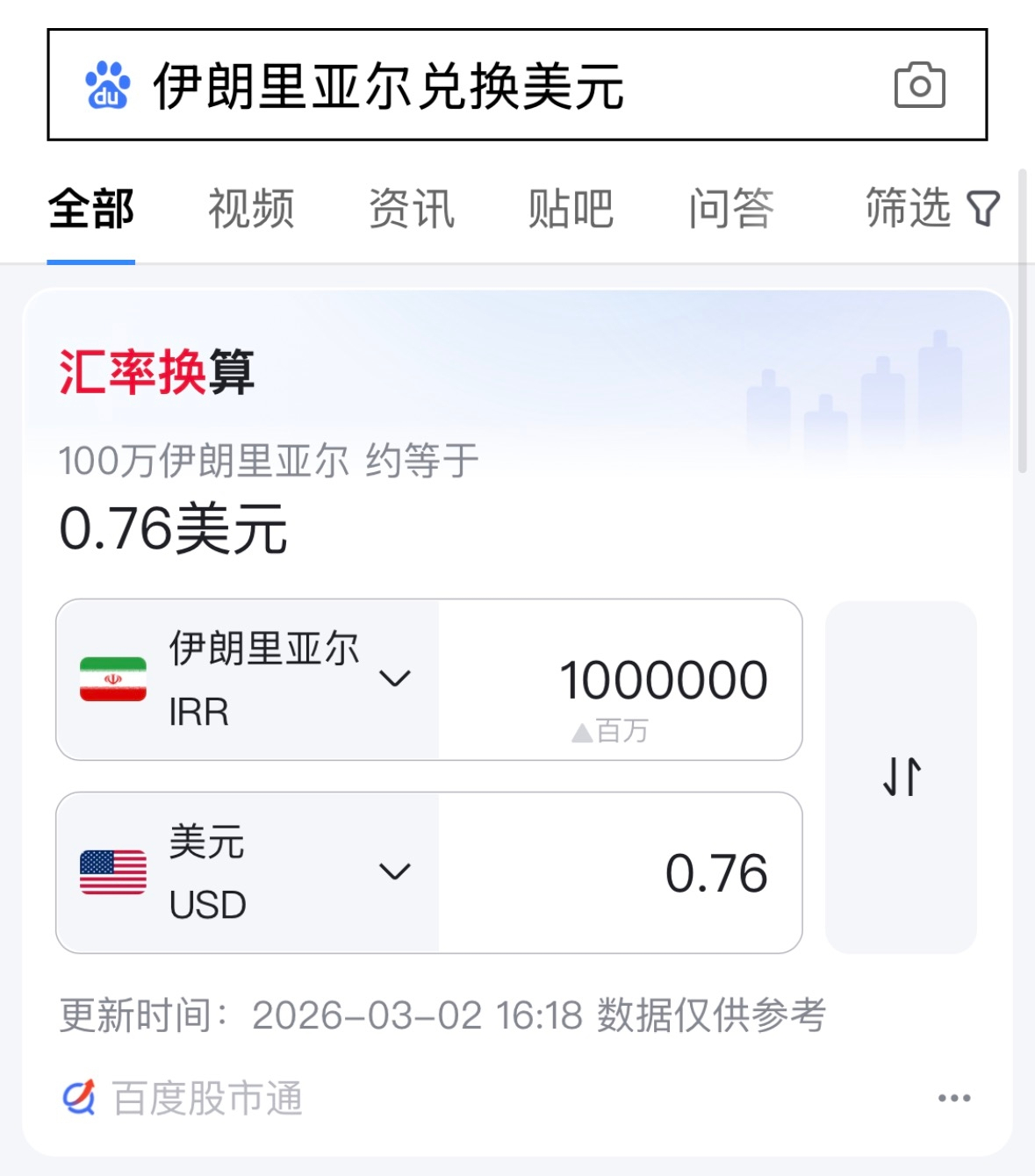
The underlying logic of currency collapse is the disappearance of trust.
When a country simultaneously experiences: high inflation (long-term 30%-50%+), international sanctions, and war risks, it will enter a cycle of currency depreciation and worsening inflation;
The result is that the local currency loses its store of value function, wages and savings rapidly shrink, and residents begin to 'de-dollarize'.
This is not a short-term phenomenon, but the beginning of structural capital migration.
Iran has faced for many years, with an annual inflation rate consistently between 30% and 50%+, prices continue to rise, and the purchasing power of the currency rapidly shrinks.
When a country keeps printing money and has a serious fiscal deficit, the currency naturally becomes less valuable, and public trust diminishes.
But these situations will benefit the crypto market, because crypto assets = digital dollars + cross-border + not affected by domestic monetary policy.
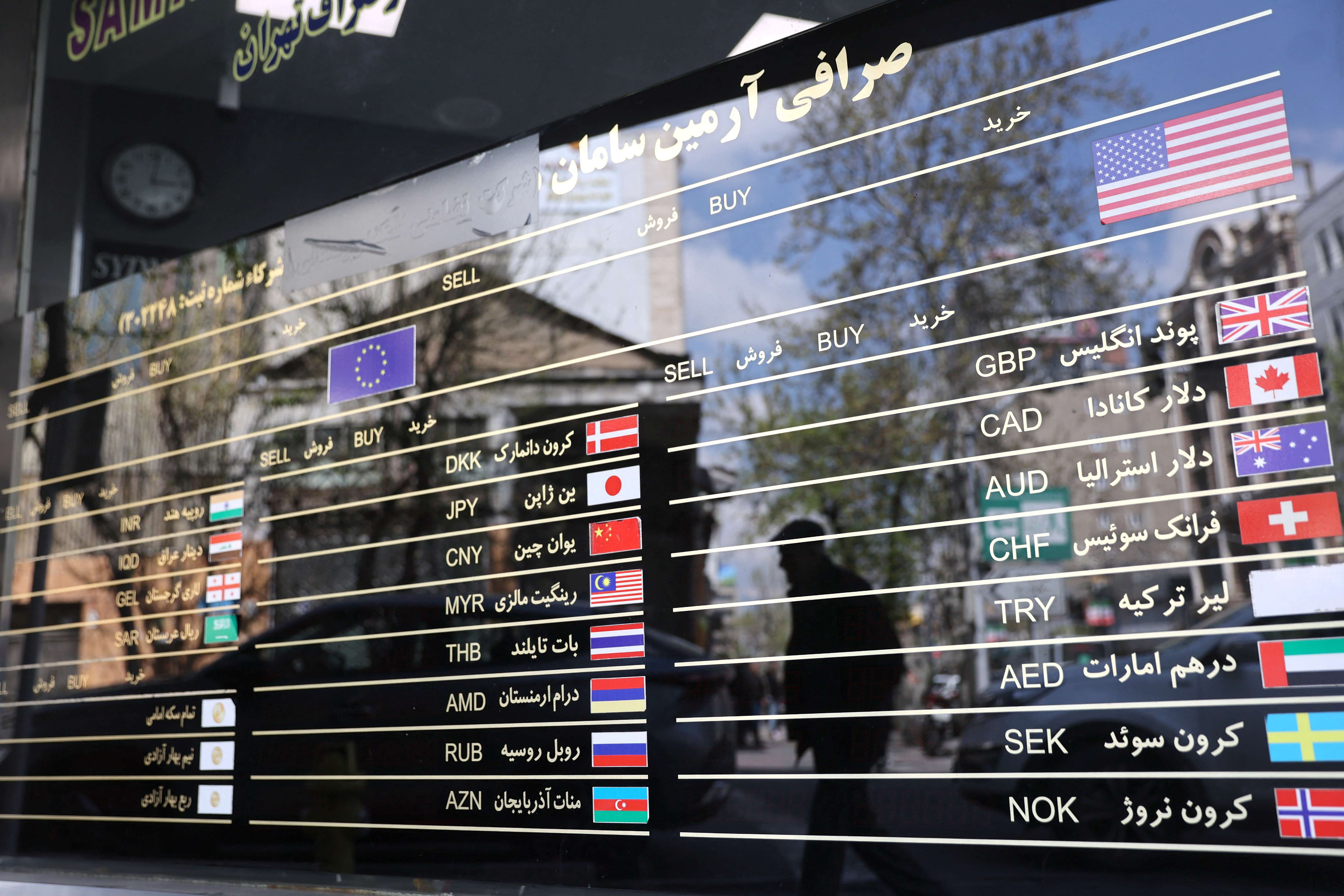
In the early stages of war, market risk-averse sentiment rises, risk assets (including $BTC ) experience short-term volatility or even decline, as global funds initially go to the dollar and US treasury bonds.
But the medium to long-term impact is more important, and sharper; funds will gradually flow into the crypto market. For the crypto market, the bitcoin narrative is being reinforced.
Every fiat currency crisis will strengthen three narratives for BTC:
1) Anti-inflation asset;
2) Decentralized store of value;
3) Globally tradable 'digital gold'.
This is also why, in the long run, the more geopolitical conflicts and currency crises there are, the stronger the long-term demand logic for BTC becomes.
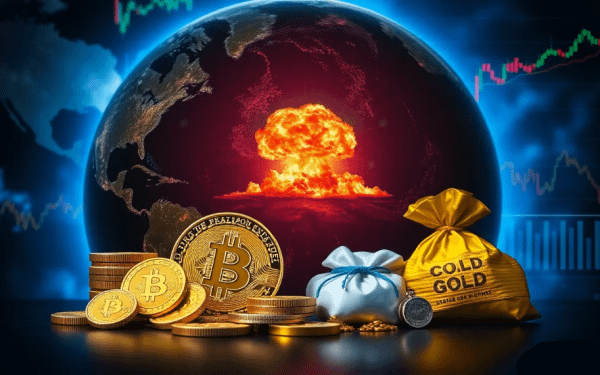
Every fluctuation of bitcoin is a new opportunity, with a continuous influx of new users into the market, choosing BTC as a safe-haven asset.
When a country's 1 million currency is only worth 5 yuan, it is not the exchange rate that collapses, but trust. History has repeatedly proven: fiat currency crisis - dollarization - stablecoinization - bitcoinization.
In the short term, this is a risk event; in the long term, this is the real source of growing demand for bitcoin.
What truly drives BTC up is not sentiment, but the increasing demand from more and more people globally.
Borderless, decentralized, limited in supply, digital gold, easy to carry; BTC continues to showcase advantages in the new round of global resource competition, and is being recognized by more people.