
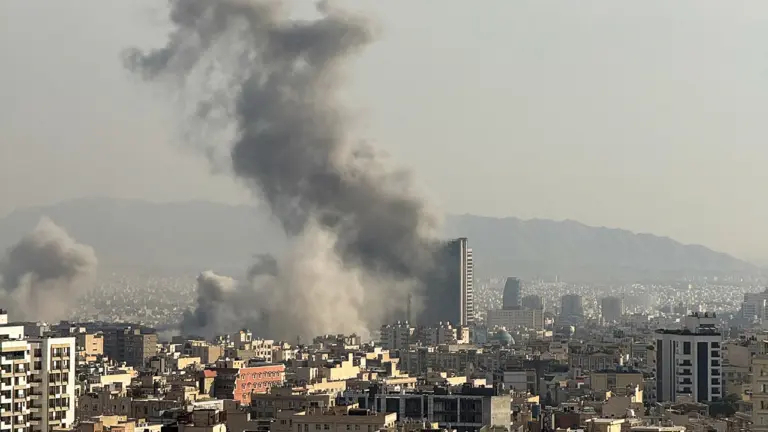
As of early March 2026, the world is experiencing an intense, high-stakes period of geopolitical conflict, with major wars in the Middle East and Eastern Europe creating a volatile global landscape.
Here is a detailed breakdown of what is happening right now.
Major Conflicts in the World (March 2026)
US-Israel Attack on Iran: Following the collapse of negotiations, a significant joint military operation by the US and Israel against Iran began around February 28, 2026. The attack has resulted in the killing of high-ranking Iranian officials, including reported hits on the Supreme Leader’s security apparatus. Iran has retaliated with drones and missiles targeting Israel, the UAE, and Saudi Arabia.
When Will the War End?
There is no definitive date for when these conflicts will end, but several scenarios are being discussed
Iran/Israel/US: This conflict is in its early stages as of March 2026, with some reports suggesting military actions could last several weeks or longer.
General Outlook: Global experts warn that 2026 will be a turning point, with increased pressure on all sides to end the wars due to high economic costs and human casualties.
Impact on People and $NVDAon Future
The hope for peace hinges on international diplomatic efforts, particularly from the US and regional partners, aiming for a new security framework in the Middle East and a negotiated settlement in Eastern Europe.
As of March 3, 2026, the
Military Operations: The U.S. (Operation Epic Fury) and Israel (Operation Roaring Lion) have conducted over 2,000 strikes targeting Iranian air defenses, missile sites, naval assets, and nuclear infrastructure.
Leadership Casualties: Confirmed strikes on a leadership meeting in Tehran killed Supreme Leader Ayatollah Ali Khamenei, the defense minister, and the IRGC commander.
Iranian Retaliation: Iran has retaliated with ballistic missiles and "Shahed" drones against Israel and U.S. facilities in Bahrain, Kuwait, Qatar, and the UAE.
The U.S. embassy in Riyadh was reportedly struck by drones on March 2.
Six U.S. service members have been confirmed killed in action.
Global Impact:
Strait of Hormuz: Iran has threatened or attempted to close this vital shipping lane, leading to a surge in global oil and gas prices.
Economic: Global stock markets have fallen sharply due to fears of a prolonged regional war.
War Objectives and Timeline
U.S. Goals: President Trump stated the primary objectives are to destroy Iran's nuclear and ballistic missile capabilities and prevent it from becoming a nuclear-armed state.
Projected Duration: President Trump projected the operation could last four to five weeks, though he cautioned it could go "far longer" if objectives are not met.
Regime Change: While some officials like Secretary of State Marco Rubio expressed hope for a change in government, Defense Secretary Pete Hegseth stated the official U.S. goal is not regime change but the destruction of offensive military infrastructure.
Council on Foreign Relations +5
Safety and Diplomatic Measures
Travel Alert: The U.S. State Department has urged all Americans to "depart now" from the Middle East, including Israel, Iraq, Saudi Arabia, and several Gulf states, via commercial means.
Diplomatic Channels: As there are no formal diplomatic relations, the Swiss Embassy in Tehran serves as the protecting power for U.S. interests.
The Guardian +3


13 sites
As of March 3, 2026, the joint U.S.-Israeli military operation against
Iran
is expected to be relatively short but will have profound global consequences.
Projected End of the War
Duration: President Trump has projected the operation will last four to five weeks.
Maximum Timeline: Some analysts believe the conflict will not extend beyond two months.
Intensity: Unlike shorter skirmishes in 2025, this is a "high-end war" involving massive airstrikes and leadership targeting.
Oxford Economics +3
Economic Impact
Energy Prices: The closure of the Strait of Hormuz has caused Brent crude to spike to $79 per barrel (an 8.5% increase in one day).
Inflation: Continued disruptions could push U.S. consumer price inflation to 4%, nearly double the Fed's target.
Market Volatility: Global stocks, particularly in Asia, have slid significantly as investors fear prolonged instability.
Safe Havens: Gold prices have reached new record highs as investors seek safety.
The Guardian +3
Geopolitical and Humanitarian Impact
Power Vacuum: The killing of Supreme Leader Khamenei has left a leadership void, potentially leading to civil war or military rule by the IRGC.
Regional Instability: Conflict has already spread to Bahrain, Jordan, Kuwait, and the UAE, where debris from intercepted missiles has caused civilian deaths.
Humanitarian Crisis:
Over 740 civilians have reportedly been killed in Iran within the first few days.
Neighboring countries like Turkey expect a massive influx of Iranian refugees.
Erosion of International Law: Attacks on civilian sites, such as the Minab girls' primary school, have led to widespread condemnation and concerns about the total collapse of international humanitarian norms.