
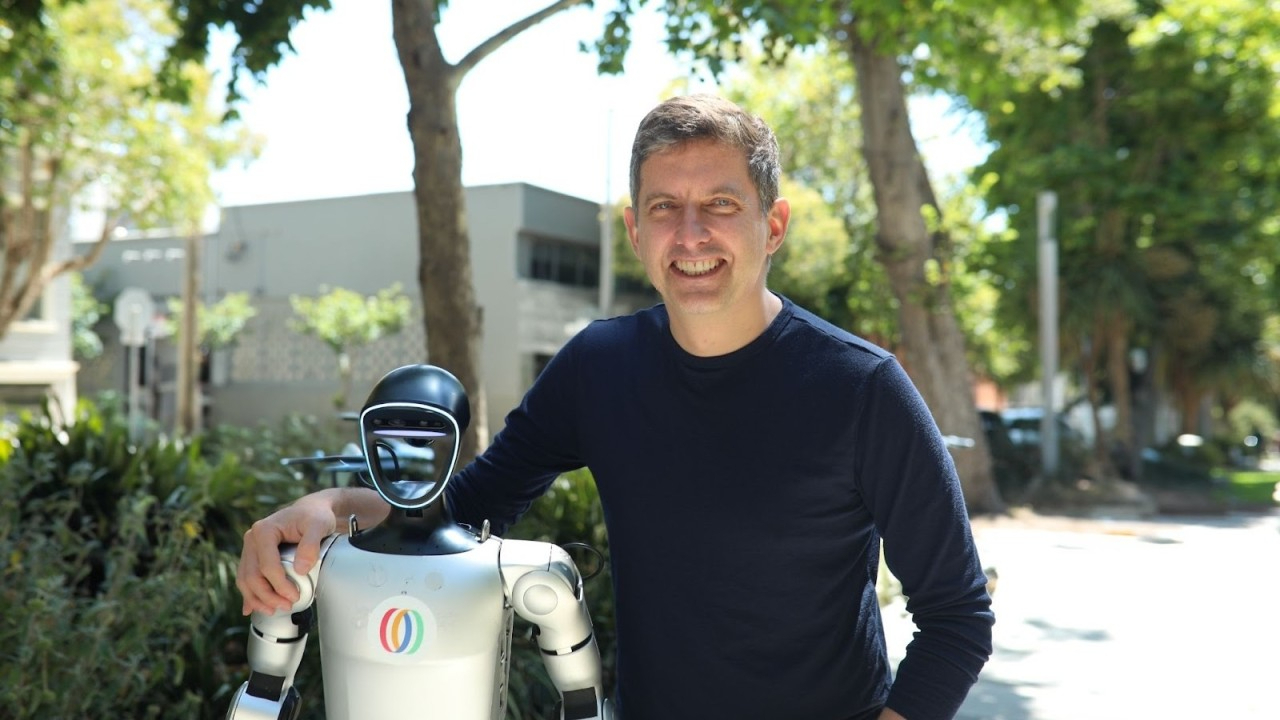
When I started researching ROBO, one thing stopped me. This project is not just another "AI plus blockchain" narrative. When I looked beneath the surface, there was a whole ecosystem that I was completely missing before.
What is this actually:
Many people think ROBO is just another hype token. It came, pumped, and will go away. I thought the same. But when I dug into the actual background of @Fabric Foundation , the picture turned out to be different.
Fabric Foundation is a non-profit organization building a decentralized robotics network. Real work is happening through OpenMind, which is creating an open-source robot operating system named OM1. Think of it exactly like how Android provided a common software platform for different phone manufacturers, OM1 does the same for robots. Unitree Robotics, Fourier Intelligence, UBTECH, these are all different hardware companies, but if they build on OM1, they work in a common language.
This is not just about the whitepaper. Open-source code already exists under the MIT license, meaning any developer can use and modify it freely.
Technical Reality:
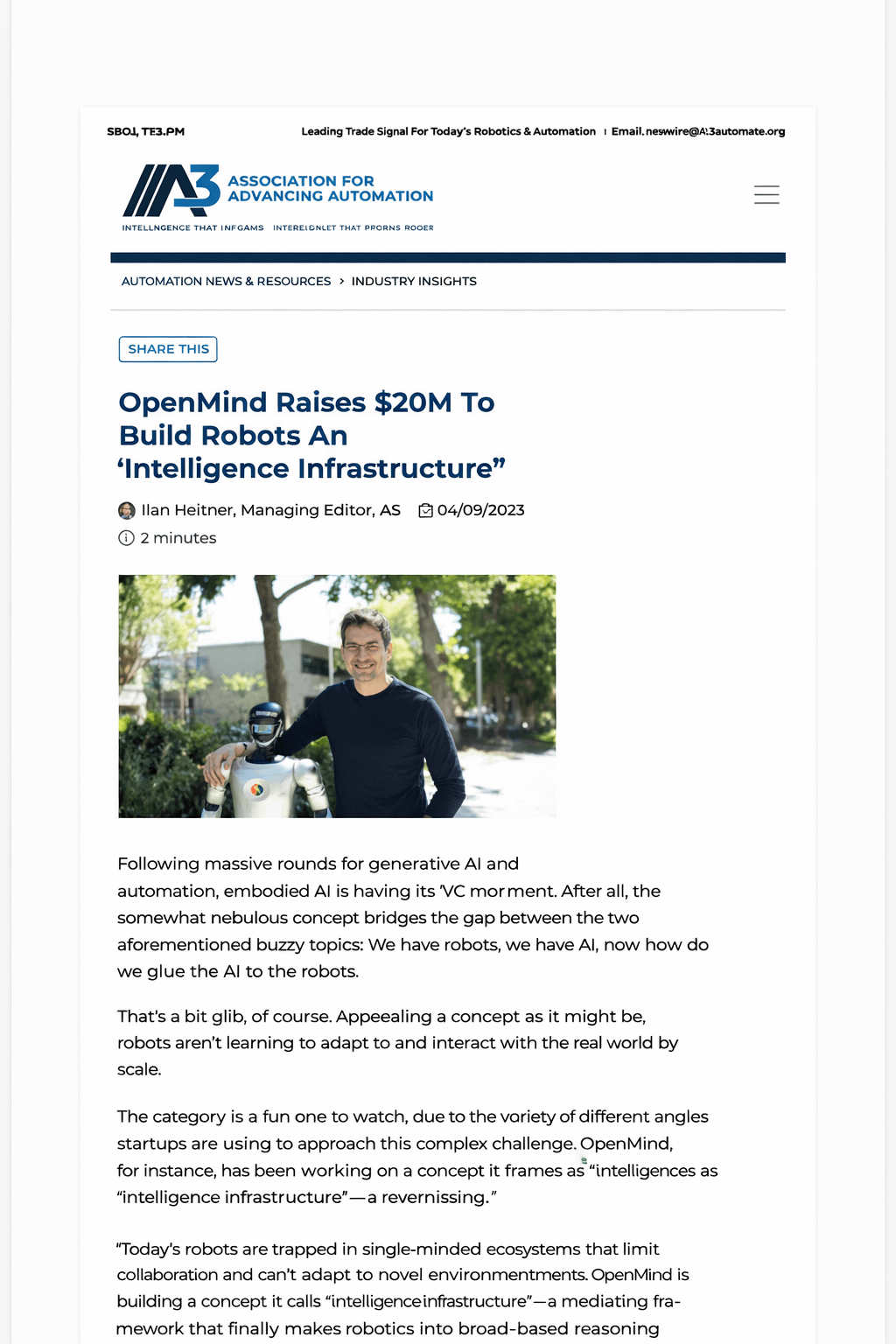
When I did funding research, one thing genuinely compelled me to pay attention. Pantera Capital led a $20 million Series A in 2025, alongside Coinbase Ventures and Sequoia China. These three names do not randomly appear in crypto. Pantera has a track record on infrastructure bets, and was early in projects like Solana and Polkadot.
Source : Automation News & Resources - Industry Insights
The genuine strength I see is the Adaptive Emission Engine. Token issuance is not fixed; it adjusts based on real network activity. This means there won't be passive holding rewards, only actual useful work will yield $ROBO .
But there is one risk I want to clearly state that many people ignore. The total supply is 10 billion, and only 22% is currently circulating. The remaining 78% tokens are yet to hit the market. As these unlock, demand will have to absorb that supply. And that demand should come not just from speculation, but from real robot deployments. This is still an open question.
Why this matters in 2026:
I have been noticing a trend over the past few months. Humanoid robots are no longer just in labs. Unitree's G1, Figure AI, Tesla Optimus, all these are in real-world testing. When these robots go into commercial spaces, a problem will automatically arise, accountability. If an autonomous robot does something wrong, who is responsible?
Fabric Protocol aims to solve exactly this. On-chain identity, behavioral records, transparent ledger. The convergence of AI, Robotics, and Web3 is not just a narrative in 2026; it is a genuine emerging need. And I felt that for the first time, a project is taking this problem seriously.
My Honest Verdict:
I personally think ROBO is a long-term infrastructure bet, not a short-term trade. If you can hold a horizon of 3 to 5 years and the robot economy actually scales, then this project is genuinely in an interesting position. But if you expect 2x this month, then perhaps it's time to reset expectations. A large part of the current price is already baked in future optimism.
What is your view? Do you consider ROBO a genuine infrastructure play, or is it just part of a cycle that came with a narrative and will go away? Honestly tell in the comments.

#ROBO #FabricFoundation #RobotEconomy @Fabric Foundation $ROBO