
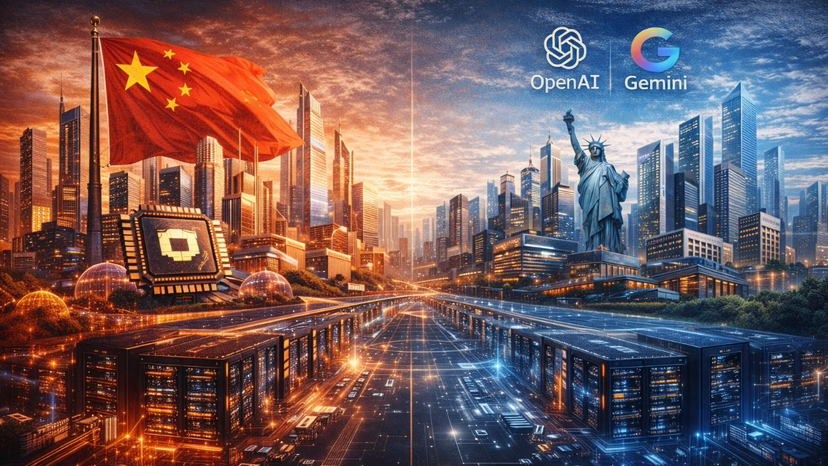
After the popularity of OpenClaw, the global large model computing power landscape has undergone significant changes. Apart from the two overseas giants, OpenAI and Gemini, the rest of the market is basically dominated by domestic large models.
The core reason lies in the fact that the strength of domestic large models is indeed solid:
• Intense competition: The industry has 'rolled' to the sky, forcing products to constantly iterate and upgrade.
• Extreme cost performance: The token cost has reached the lowest in the world, and the super high cost performance has led a vast number of users to choose domestic models.
Industry status: Generally burning money, not yet profitable
Currently, the vast majority of large model companies are still in the money-burning investment stage, and basically no company can achieve real profitability.
• Head dependencies: Models from major companies like Doubao and Qianwen can only rely on the overall ecological synergy of their parent companies to share the high research and computing costs.
• Capital gamble: The investment costs in the industry are astonishing, with a single company's model training costs often reaching hundreds of millions or even tens of billions. The reason capital is willing to continue investing is essentially betting on the platform-level opportunities of AI over the next decade, focusing on long-term industry dominance and commercial value.
Industry strategy: First occupy the entry point, then seek profitability.
The core strategies of the entire industry are currently highly consistent: first seize market entry, then discuss ecological profitability.
The industry reshuffle has already begun; in the future, there will be more and more model companies lacking core competitiveness, either being acquired by industry leaders or directly exiting the market, ultimately leaving only a few leading players.
Global landscape: China and the US lead, data reveals.
Looking at the global AI race, only China and the US can be said to have the strength to compete. According to the latest data (based on the total Token consumption of the Top 10 models), the market share shows an overwhelming trend:
• Chinese models (approximately 61%): With a price advantage, they are rapidly capturing the B-end paid enterprise user market. Among the Top 5 models, the share of Chinese models even reaches 85.7%, firmly holding mainstream share.
• US models (approximately 39%): The remaining market share is mainly occupied by Google Gemini, Anthropic Claude, and the OpenAI GPT series.
Future outlook: Where will the AI industry go in the future? Which of the two countries, China or the US, can lead global AI development? Who can also occupy more market share? We will just have to wait and see.