
Recent events in the Middle East, specifically the closure of the Strait of Hormuz, are sending shockwaves through the industry that could have longer-lasting impacts than anything we’ve seen in the oil sector.
While oil is often the headline-grabber, experts from Rapidan Energy suggest that LNG is actually the more vulnerable market. The reason is simple: logistics. Oil can often be rerouted through pipelines in countries like Saudi Arabia and the UAE. Gas, however, doesn’t have that luxury. To move LNG across the world, you need specialized ships and massive cooling infrastructure. If the Strait of Hormuz—the world's most critical maritime chokepoint—is blocked, that gas simply has nowhere to go.
Roughly 20% of the world’s LNG flows through this narrow passage. The majority of this comes from Qatar, which recently halted output following an Iranian drone attack. This supply disruption has already caused global gas prices to skyrocket. In Europe, natural gas prices jumped by 63% in a single week, marking the largest gain since the start of the Ukraine war in 2022. Meanwhile, in Asia, prices are hitting staggering highs as nations scramble to find alternative energy sources to power their cities.
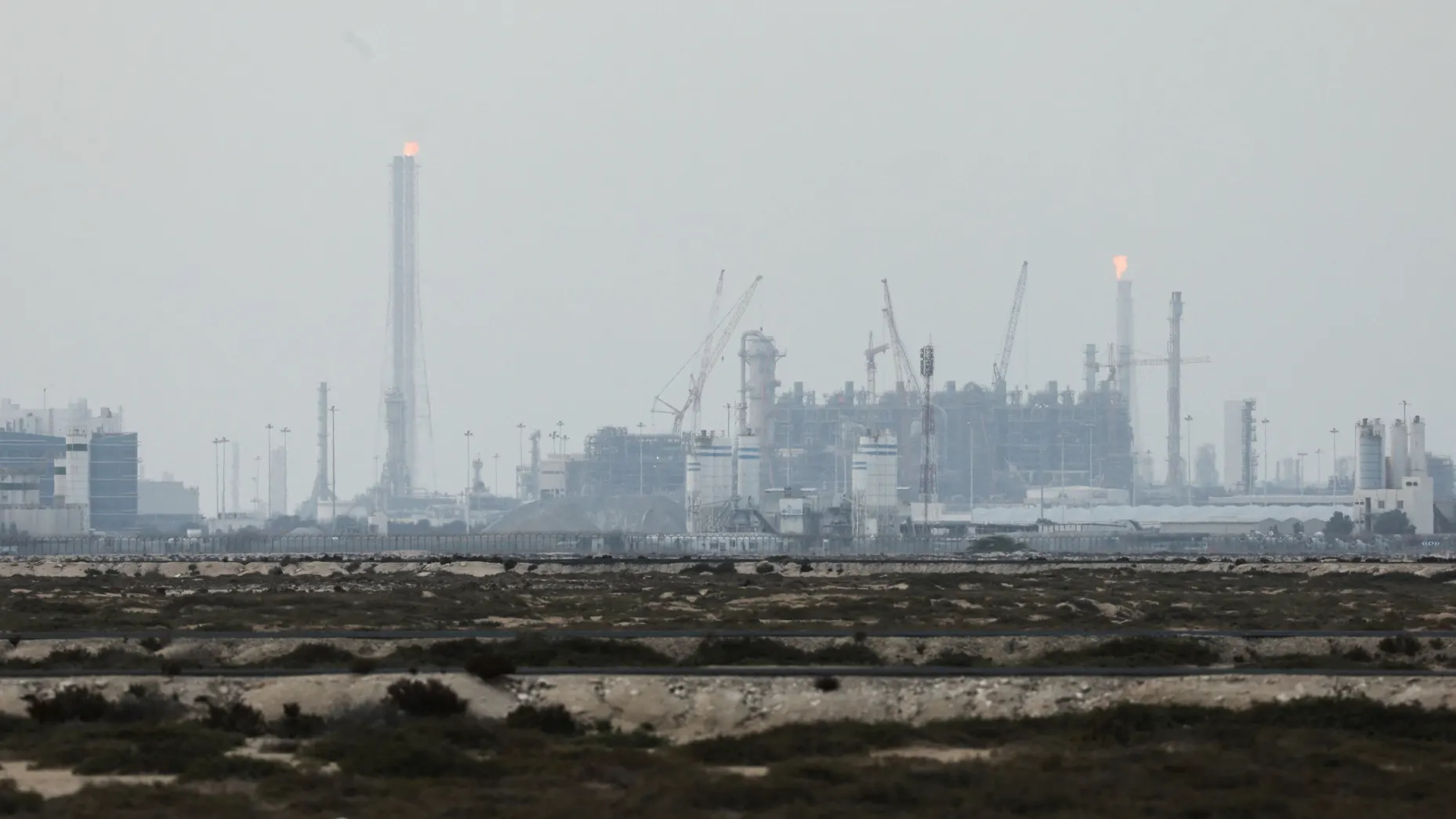
One of the most concerning aspects of this crisis is the "concentration risk." Unlike oil production, which is spread across many different fields and countries, Qatar’s gas production is concentrated in one massive industrial complex: Ras Laffan. Experts describe this facility as a "sitting duck." If this single node is damaged or kept offline, there is no quick fix.
Furthermore, restarting an LNG plant isn't like flipping a light switch. Cooling gas into a liquid state is a complex industrial process that takes weeks, not days, to fully restart. Because the industry has never seen a complete shutdown of this magnitude, the timeline for recovery is unpredictable.
As the U.S. and other producers are already running at maximum capacity, there is very little "spare" gas available globally. This means the market may only find balance through "demand destruction"—essentially, prices getting so high that countries are forced to switch to cheaper, dirtier fuels like coal just to keep the lights on.
With QatarEnergy already delaying its expansion plans until 2027, the world is beginning to realize that the energy transition may face a very bumpy road. This isn't just a temporary price hike; it’s a wake-up call about how fragile our global energy supply chains truly are.
#OilPricesSlide #OilTops$100 #TrumpSaysIranWarWillEndVerySoon #StrategyBTCPurchase $ETC $ORDI $SUI