
1. What is ROBO?
$ROBO is the core utility and governance asset launched by the Fabric Foundation (a non-profit organization). It serves as the native settlement token supporting the 'robot economy' and is also a key infrastructure connecting the global decentralized robot network.
It does not represent an investment tool for physical equity or assets. Its core function revolves around the operation and coordination of the robot network: as a payment medium for settling robot service fees and network transaction fees; as a participation certificate supporting users to stake tokens for robot deployment coordination and ecological governance votes; and as an incentive carrier to encourage developers to contribute skill modules and users to participate in network maintenance, ultimately achieving the mission of 'humans and intelligent machines working together safely and efficiently.'
The underlying @Fabric Foundation network leverages blockchain technology to give robots on-chain identities, autonomous wallets, and a transparent coordination mechanism, breaking the limitations of traditional robot fleet 'island-style' operations, allowing robots to become economic participants capable of global collaboration.
2. In the future world with ROBO, what will life be like?
1. Ordinary people can also become 'robot bosses'.
You don't have to spend a lot of money to buy robots; by staking a little #ROBO , you can pool money with neighbors and online friends to deploy community robots—like the delivery robots downstairs or cleaning robots in the community. The money earned by robots will be distributed according to everyone's staked ROBO and contributions, essentially allowing you to 'reap the robot's labor dividends' while doing nothing.
2. Robot skill updates are absurdly fast, directly alleviating the industry's labor shortage.
An engineer developed a skill chip for 'robots repairing home appliances'. After completing transactions using ROBO through the Fabric network, housekeeping robots worldwide can instantly learn this skill, eliminating the worry of not finding someone to repair home appliances. Nursing robots in hospitals can also quickly share 'specialized nursing' skills, allowing nurses to focus on monitoring robot operations and handling special situations.
3. Robots can 'earn and spend money' on their own, without humans running errands for them.
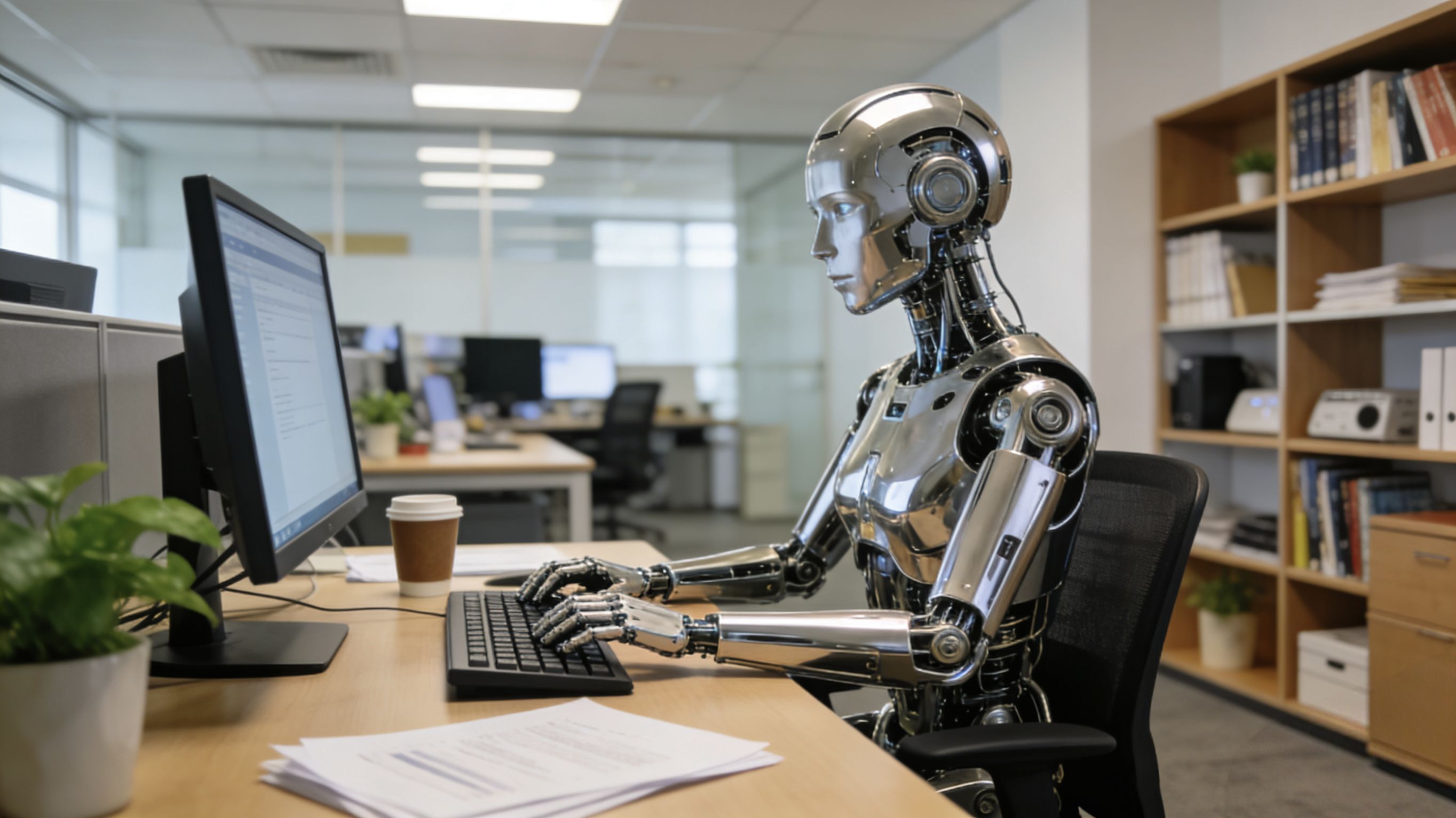
After delivering meals, delivery robots will have the money directly deposited into their on-chain wallets (settled with ROBO). When they need to recharge, they will automatically use ROBO to pay for electricity; when maintenance is needed, they can contact maintenance robots themselves and settle the repair fees with ROBO, all without human intervention, functioning like an independent 'worker' with economic capabilities.
4. Remote areas can also enjoy top services.
Children in small villages want to attend classes from top teachers. The village uses ROBO to call city education robots, which can synchronize top teacher classrooms in real time and provide one-on-one tutoring. For elderly people in mountainous areas, medical robots equipped with professional equipment can visit them. Through on-chain identity verification (supported by the ROBO network), they can directly access the medical record system of city hospitals and allow experts to diagnose remotely.
5. You can also manage the 'rules' of robots, not afraid of robots misbehaving.
If you think the delivery robots in your community are moving too fast and might hit people, ordinary people can stake ROBO to participate in community robot governance votes to decide the robots' driving speed and working hours. If a robot is slacking off or performing poorly, everyone can initiate a verification through the ROBO network. After verification, the robot will be penalized by deducting rewards, ensuring full transparency with no room for manipulation.
6. Jobs will not be taken by robots; instead, there will be many new tasks to handle.
Former couriers and assembly line workers may be replaced by robots, but the platform will use part of the profits earned by robots to subsidize these individuals to participate in retraining, teaching them to become 'robot skill adjusters', 'robot coordinators', 'skill chip developers'—these new jobs are easier than before and pay better because, no matter how capable robots are, they still need humans to develop and manage them.
7. Daily consumption will be cheaper, directly reducing the cost of living.
Because robots do not require salaries or rest, the cost of producing goods and providing services is significantly reduced. For example, vegetables grown by robots and appliances assembled by robots will be more than half cheaper than now. Even services like haircuts and manicures will cost much less when done by robots using ROBO payments compared to hiring human technicians, greatly relieving the financial pressure on ordinary people.