

Bitcoin seller liquidity has reached a two-month high, echoing the situation in January. Should traders prepare for a sell-off?
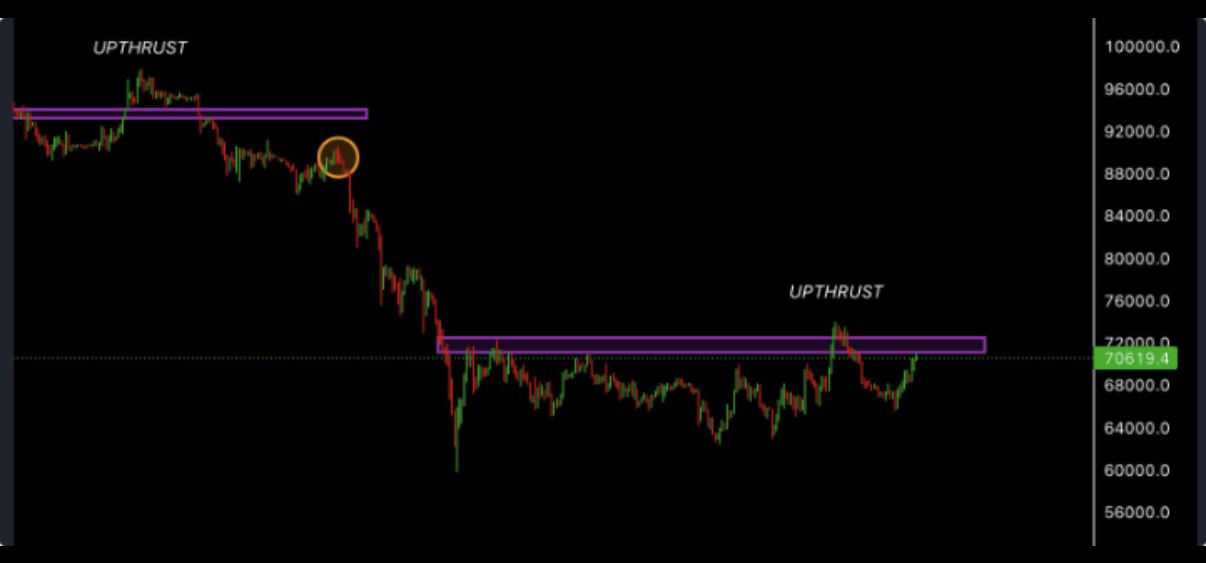
The Bitcoin price seems to have regained support at $70,000, although the market remains cautious, and the technical charts show a layout similar to the bull trap of January 2026.
Bitcoin seller liquidity has significantly expanded in the latest range retest. According to crypto trader Ardi, the selling orders for Bitcoin have reached a two-month high. Traders say,
"The asking price for Bitcoin has just reached a two-month high. The seller liquidity stacked above the price is $1.57 billion, while there is $1.125 billion in bids below the price."
Within a 5% range near the spot price, sell orders exceed demand by about 40%, creating a supply layer above the market price. Meanwhile, buying pressure has formed a thinner support buffer below the BTC price.
Ardi noted that the last similar transaction occurred in January of this year when Bitcoin briefly broke above $98,000. A similar trend followed after Bitcoin's recent breakout above $72,000, with the price retreating to the midpoint of the range. Increased selling price liquidity during the retest period usually indicates that traders are taking profits from the rebound.
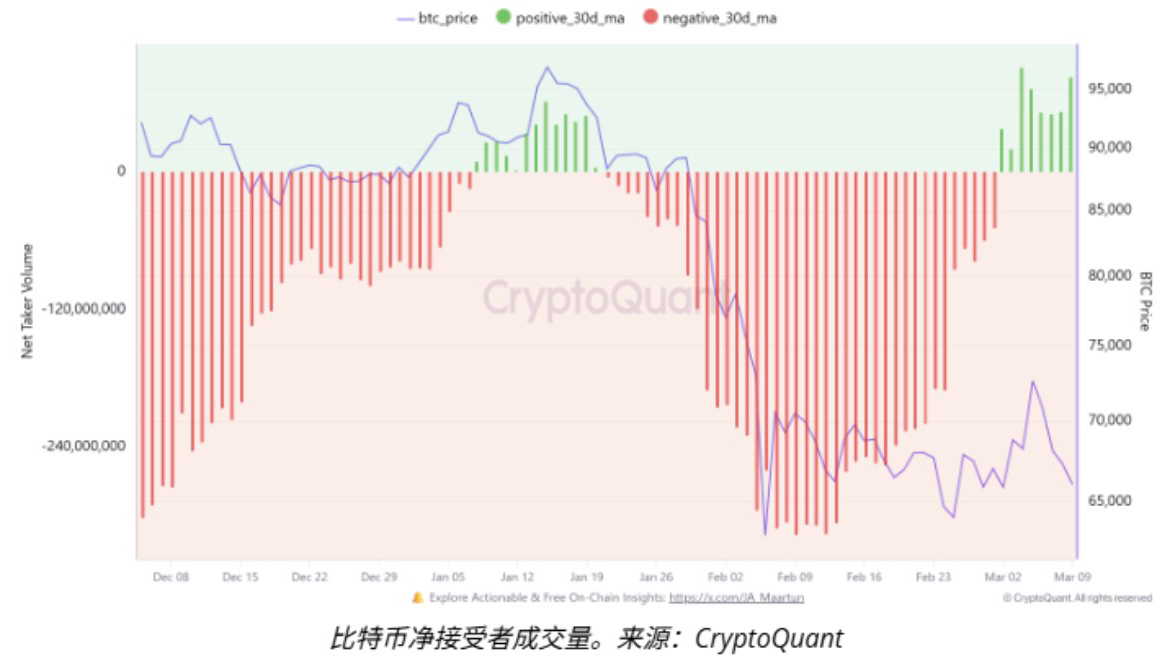
Another locational indicator is also shifting in the same direction. The 30-day moving average of the net buy volume for Bitcoin in March remains at $83 million, indicating an increase in buying activity through market orders.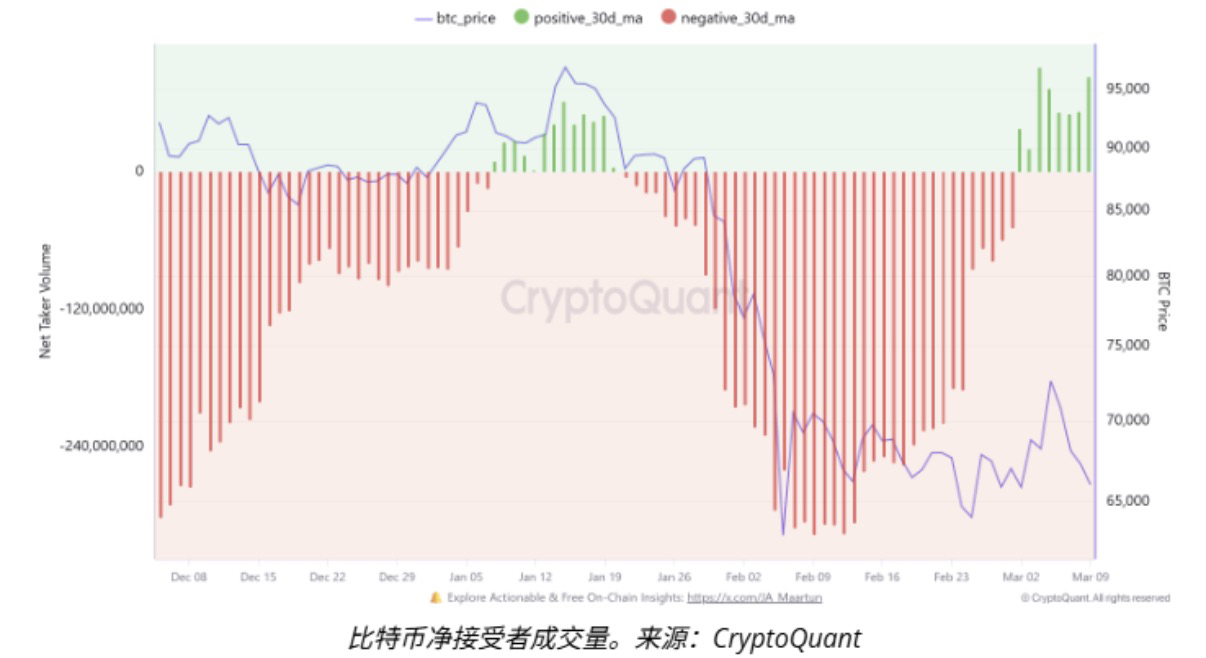
Will Bitcoin's underwater supply limit its rebound?
The cost basis data for short-term holders (STOHs) shows that average holders entered the market at significantly higher prices. The realized price for STH, which represents the average acquisition price for coins held for less than six months, is about $88,900.
According to Bitcoin researcher Axel Adler Jr., the largest supply cluster is concentrated between $86,000 and $99,000, with many coins accumulated between November 2025 and February 2026. This range constitutes the main breakeven zone for a significant portion of the short-term market and is a critical market turning point.
On the positive side, the realized profit and loss data shows that selling pressure is beginning to ease. Crypto analyst Darkfost pointed out last week that realized losses were about $611 million, with profits of $346 million, resulting in a net weekly profit of -$264 million.
This figure is far below the $2 billion weekly loss recorded during February's drop below $60,000.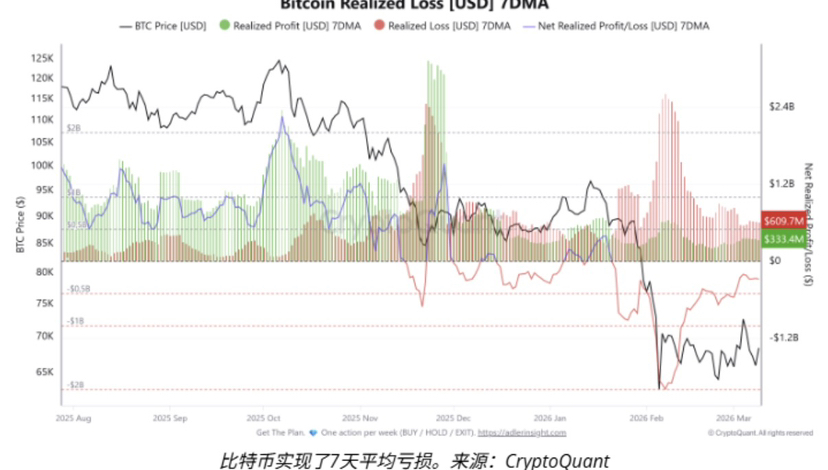
Compared to the retest in January, the current Bitcoin price is significantly below the main short-term cost basis cluster. This distance limits the breakeven selling that usually occurs during small rebounds.
As a result, many short-term holders may prefer to wait for higher prices, potentially close to $86,000, rather than selling at a loss after a month of consolidation.
If the price rebounds to the range of $70,000 to $72,000, short-term selling pressure will be partially alleviated, but a more significant shift may require Bitcoin to reclaim the range of $86,000 to $89,000, where most short-term holders reach breakeven.
