I’ve been thinking about this project a lot, just letting it sit in my head while I do other things. Reading about it, watching a few talks, scrolling through discussions not to analyze it, really, just to feel it out. What keeps pulling me back is the scale of it. A network for robots, for data, for rules it feels like trying to build the streets before the cars even exist.
What grabbed me first was how modular everything is. It’s not about one robot doing something cool, it’s about building the rails for lots of robots to work together safely. That makes me feel both reassured and a little uneasy. Infrastructure is invisible but powerful. Once it’s there, it shapes what people can and can’t do, often in ways you don’t realize until much later.
The verifiable computing part caught my attention too. I like the idea that you can check proofs instead of just trusting someone. It feels… clean, logical, even comforting. But then I think: who sees these proofs? How much gets hidden? Could too much transparency be a problem too? I kept imagining a city full of robots, leaving tiny breadcrumbs everywhere, and wondering if anyone would know how to read them properly.
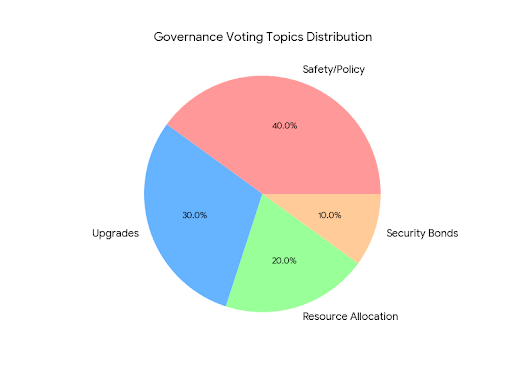
I kept circling back to governance. It’s built into the protocol itself, which is unusual. Usually rules come after scaling, when things are messy. Here, they’re part of the skeleton from the start. That feels smart, but also heavy. Who decides what’s fair? Who gets a vote? I don’t know the answers, and I kind of like that I don’t it leaves room for curiosity.
Some choices feel human, some feel… very robotic. Modularity in how compute and data flow feels like a thoughtful handshake with the future. But formal attestations everywhere? That could block small players, people who just want to experiment. Safety and accessibility it’s a tricky balance, and I’m not sure which way I lean.
The social side is interesting too. There’s genuine excitement from engineers and researchers who love clean APIs and proofs. And a hopeful thread maybe open protocols make robotics more democratic. But open doesn’t automatically mean fair. Standards get captured, ledgers favor those who know how to read them, and I keep thinking about who’s actually invited to the table.
Technically, I try to simplify it in my head: the protocol is juggling data, compute, and rules, while proving some things along the way. That makes sense for robots in human spaces. But proofs aren’t free they take time, compute, and careful design. I keep wondering: what gets off-ledger for speed, what stays on for accountability, and who makes that call?
A few things give me quiet confidence: modularity, the governance focus, the sense that it’s not a monolith trying to dominate everything. But gaps linger what about actors trying to game the proofs? Can this scale when resources cost real money? Those questions won’t disappear until we see messy, real-world use.
And I keep thinking about the non-profit backing it. It signals civic intent, which matters, but foundations have politics and limits too. What I really want to see are pilots with diverse groups, how transparency interacts with privacy, and what happens when theory meets messy reality.
So that’s where I am interested, cautiously optimistic, circling around questions more than answers. I’m drawn to the edges and the tensions. And I’ll keep watching, because the lessons always show up in the small, lived details, not the big slides or white papers.