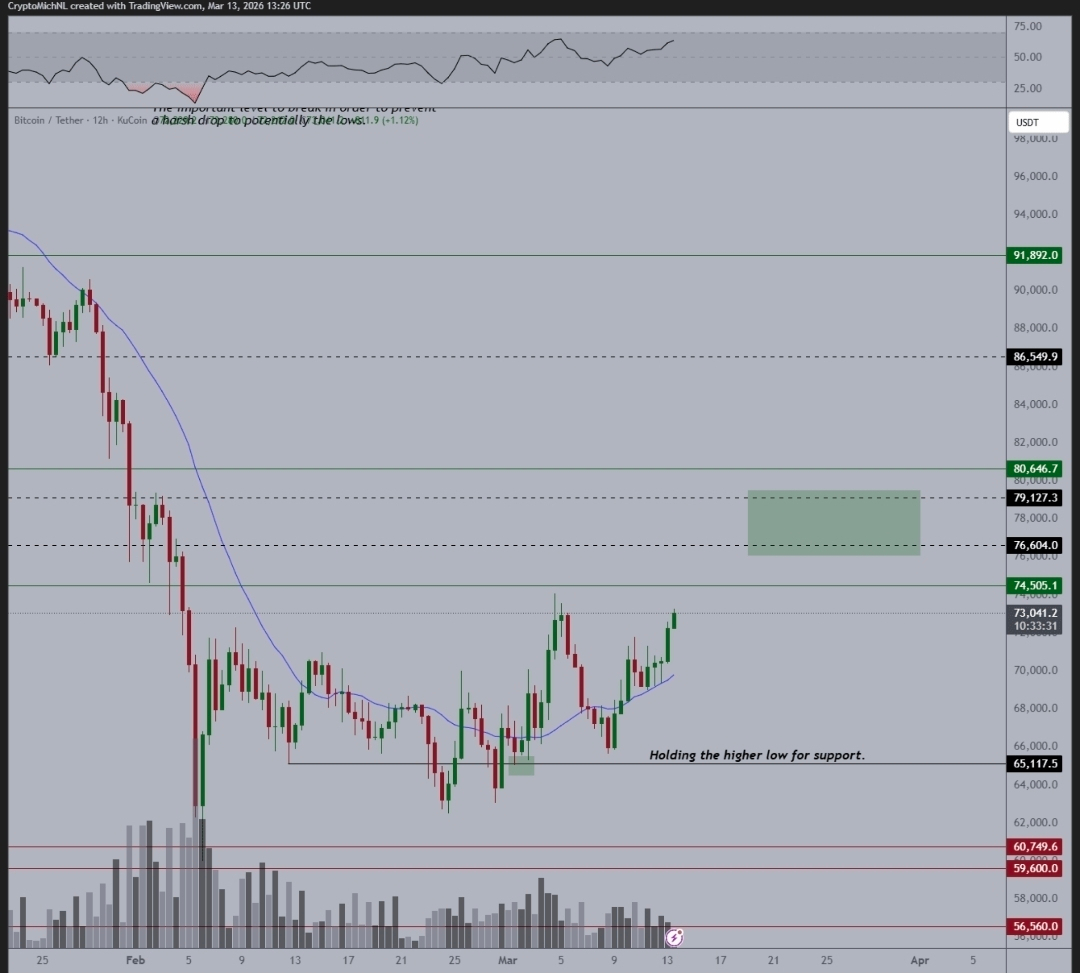

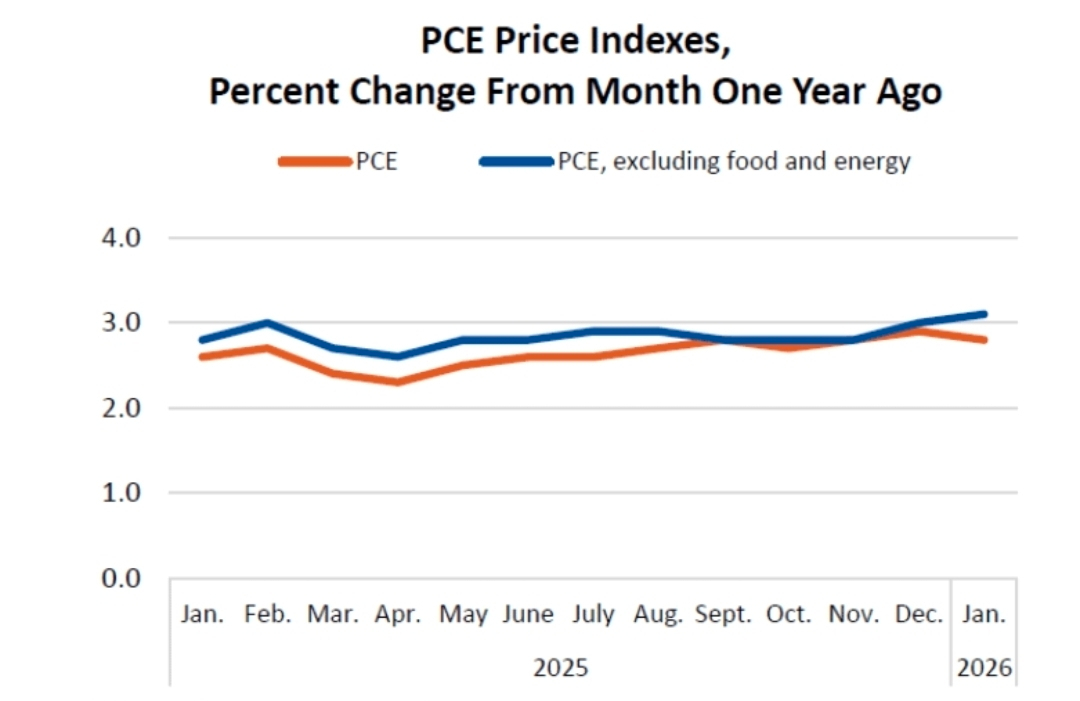
$BTC is pushing toward the $74,000 level again as fresh US inflation data supports risk assets and strengthens market sentiment. The move comes after the latest Personal Consumption Expenditures (PCE) Index — the Federal Reserve’s preferred inflation gauge — matched market expectations.
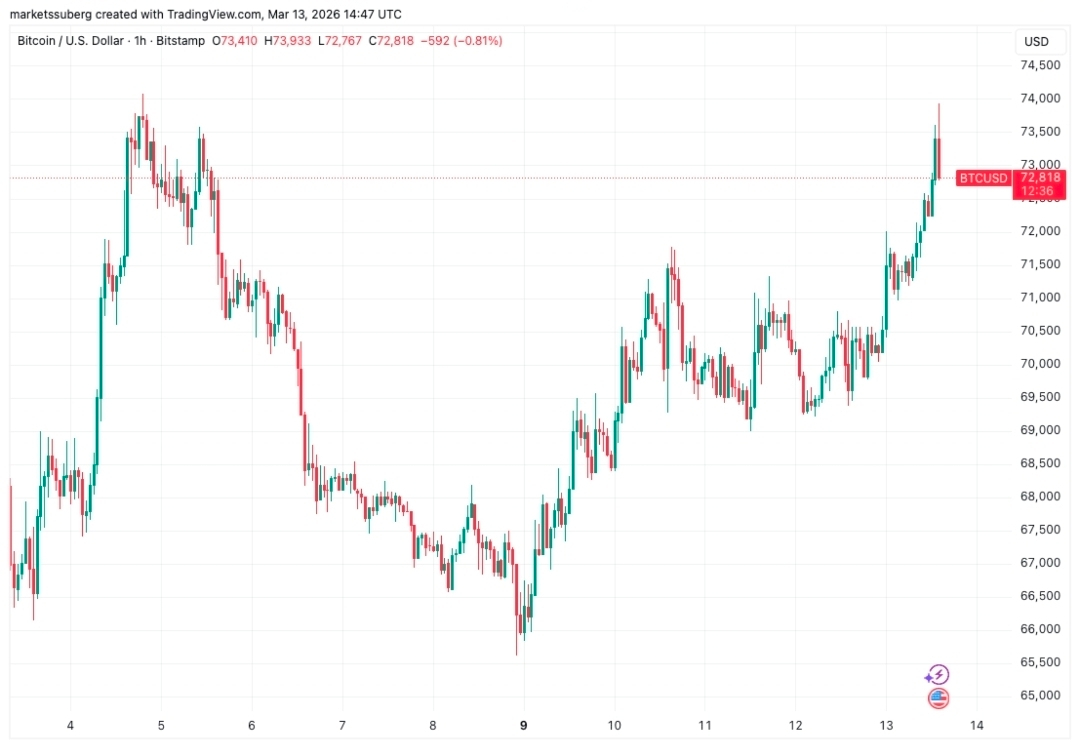
According to the Bureau of Economic Analysis, January’s PCE inflation rose 0.3% month-on-month and 3.1% year-on-year. While inflation remains higher than the Fed’s long-term target, the data did not surprise markets. As a result, investors reacted positively, sending both stocks and cryptocurrencies slightly higher.
At the time of the data release, US stock markets were up around 0.5%, while Bitcoin climbed toward a five-week high near $74,000. The bullish momentum also helped BTC reclaim its 50-day moving average, a key technical level that many traders watch to gauge trend direction.
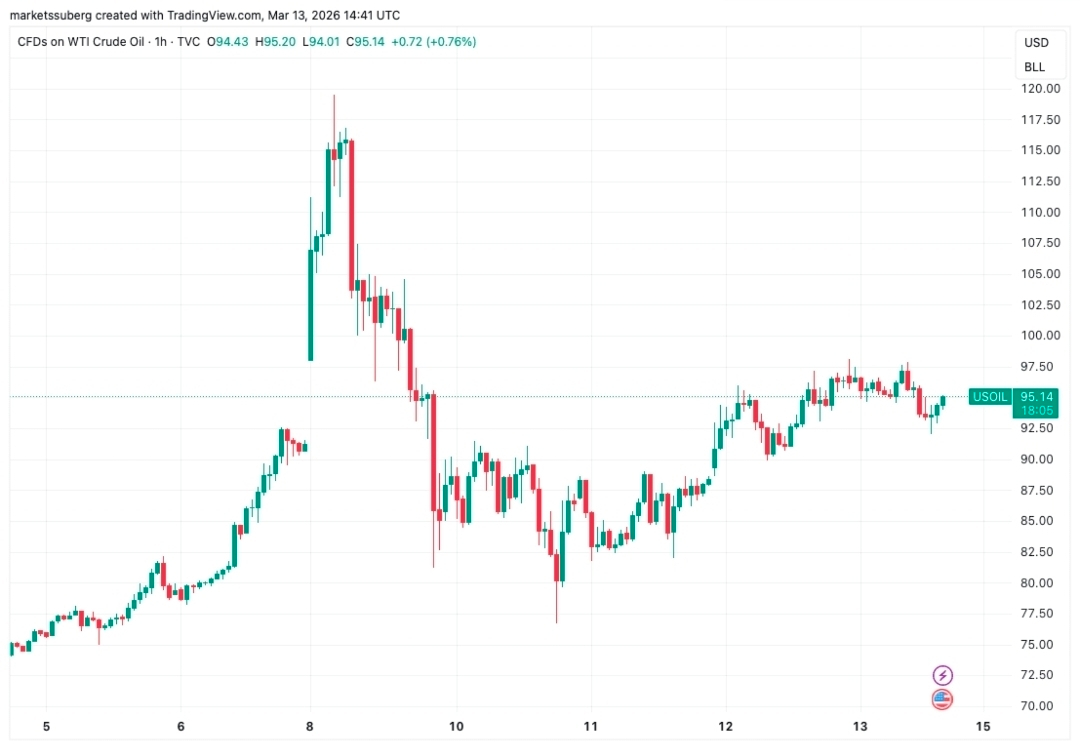
Another interesting shift in the market is the temporary break in correlation between crypto assets and oil prices. Throughout the week, Bitcoin and other risk assets had been moving in line with crude oil, but after the PCE release, they began diverging. WTI crude oil dropped roughly 2%, trading near $95 per barrel, while crypto markets continued climbing.
Despite the positive momentum, analysts remain divided on Bitcoin’s next move. Some traders believe the current rally could extend toward the $76,000–$79,000 resistance zone, where stronger selling pressure may appear. Crypto analyst Michaël van de Poppe noted that Bitcoin may not break this level immediately, but reaching that range could trigger additional momentum in the altcoin market.
If Bitcoin manages to climb into that zone and hold its gains, it could form a monthly bullish engulfing candle, effectively erasing much of February’s correction. However, not everyone is fully convinced that the rally will continue smoothly.
Some market participants warn that the current move could turn into a bearish retest, meaning $BTC might briefly reject resistance levels before attempting another breakout. Such a scenario could lead to short-term volatility or a temporary pullback before the next major trend develops.
For now, the market is closely watching how Bitcoin reacts near the $74K–$79K range. A decisive breakout above resistance could strengthen bullish sentiment across the crypto market, while rejection from these levels may trigger another period of consolidation.
As macroeconomic data continues to influence investor sentiment, Bitcoin’s next move will likely depend on both technical levels and upcoming US economic indicators.