
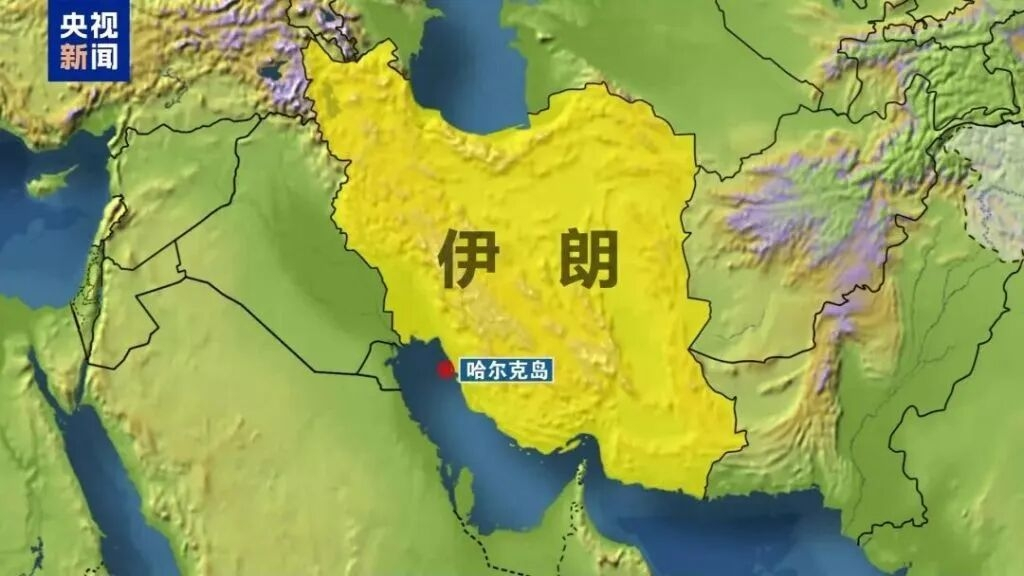

Recently, I've been overwhelmed by news about the Middle East. I initially thought that the situation in the Strait of Hormuz was just the usual back-and-forth between the U.S. and Iran, and at most it would affect crude oil fluctuations, which wouldn't be much of a concern for those of us who are focused on the daily price charts. However, after reviewing the institutional positions yesterday and revisiting Trump's statements and actions since he took office, the more I looked, the more chilling it became — it turns out the whole world is hoping for the Strait to reopen and oil prices to fall, and the one who least wants this to happen is actually Trump?
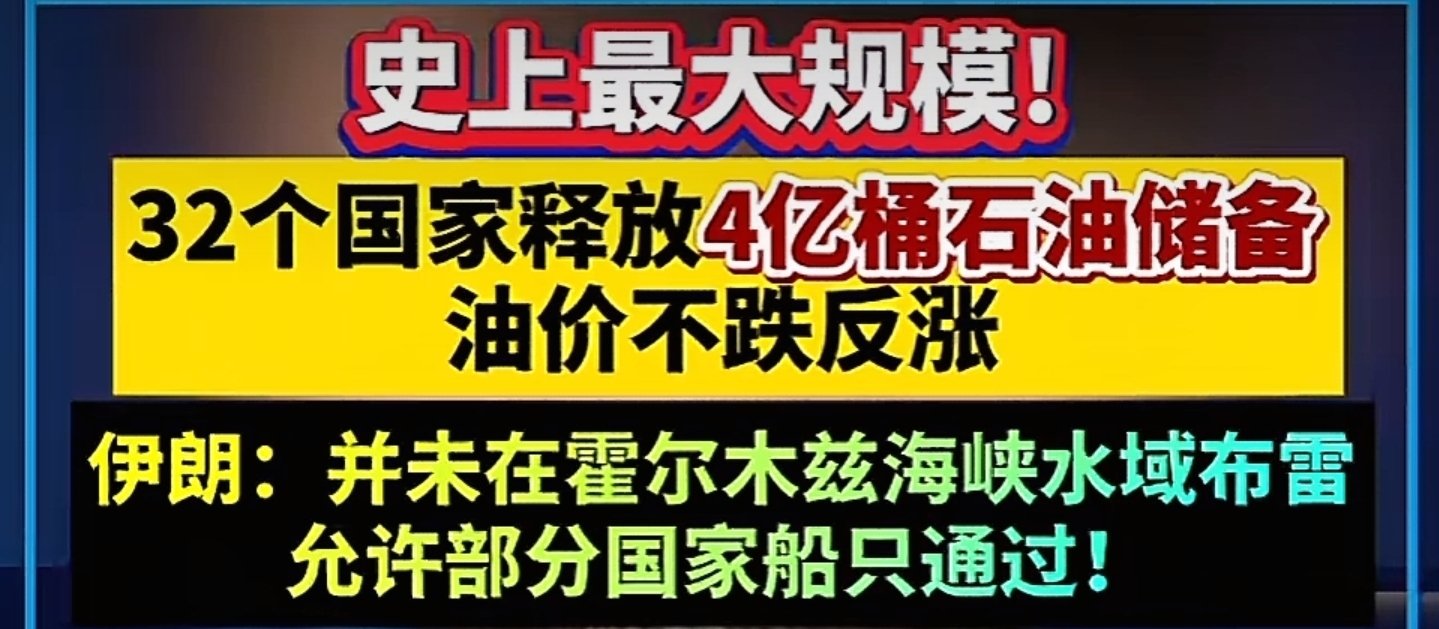
Let's not talk about the superficial stuff in books for now. What is the Strait of Hormuz? One-third of the world's maritime crude oil passes through here, and saying it is the artery of global energy is not an exaggeration. As soon as anything happens in this place, if Iran slightly closes a shipping lane or detains a ship, the crude oil prices can skyrocket in an instant. This is basic knowledge for anyone who has played with commodity contracts.
Previously, my friends and I thought that Trump, constantly shouting about lowering inflation for Americans and reducing gas prices for the public, would definitely want the Strait to be safe and sound, ideally keeping Iran in check to let oil prices fall. But the result was completely the opposite; he didn't want this place to be peaceful at all. It can even be said that half of the tense atmosphere in the Strait of Hormuz is fueled by him.
I couldn't understand this logic before, until I looked at the latest data from the US Energy Information Administration and the list of major financial backers behind his campaign, and it instantly made sense. The current America is no longer the country that relied on imported crude oil decades ago; it is now the world's leading net exporter of crude oil. With shale oil production at full capacity, the higher the oil price, the more the domestic energy giants in America profit. And these energy moguls are precisely Trump's core support base, the ones who contribute the most money and help him with votes. Do you really think he cares about ordinary folks spending a few extra dollars to fill their tanks? What he cares about is the wallets of his backers and the upcoming midterm election votes.
Look at his actions after taking office; the sanctions against Iran have not only not eased but have intensified, and even the temporary agreements previously signed with Iran have been completely torn apart. Israel is making small moves over there, and he is just turning a blind eye, showing no intention to suppress it. Isn't this obvious? As long as there is an expectation of conflict in the Strait of Hormuz, and a risk of closure, oil prices won't think about dropping. The energy tycoons behind him can continue to profit.
Some newcomers might say, so what if oil prices rise? We don't deal with commodity contracts; we just hold onto physical Bitcoin, what impact could that have? That's too naive. Those of us who have been in this circle for a long time understand that the trend of Bitcoin these years is essentially following the monetary policy of the Federal Reserve. To put it bluntly, when Powell sneezes, the market shakes. The core focus of the Federal Reserve's monetary policy is inflation. What is crude oil? It's the mother of inflation! As long as oil prices remain high or continue to rise, the core CPI will not even think about dropping to the Federal Reserve's target line of 2%. The expectations for rate cuts that everyone has been betting on for half a year will be pushed back again and again, or even directly reversed.
You should check the recent WTI crude oil price, which is almost touching 120 dollars, having risen nearly 30% since the end of last year, and this is still the case without a real closure of the Strait of Hormuz. Looking at the CFTC's position data, non-commercial net long positions have increased for four consecutive weeks, and institutions are betting that oil prices will continue to rise. If a black swan event happens and Iran directly locks the strait, crude oil could soar to 150 or even 200 dollars in no time, and at that point, CPI data would skyrocket. The Federal Reserve won't just hesitate to cut rates; they might even increase rates by 25 basis points, which would be a sign of conscience.
We all experienced last year's reversal of rate cut expectations. At that time, just because Powell said, 'rate cuts may be delayed,' Bitcoin dropped directly from over 40,000 to just above 30,000, and many people who added leverage faced liquidation, leading to altcoins being halved. The current situation is much more perilous than last year's. If rate hikes are truly restarted, a rise in the dollar index and an increase in US Treasury yields would bleed all risk assets dry. Bitcoin, being the most elastic among risk assets, cannot escape. Don't think that holding physical Bitcoin means you are safe; if the market drops by 30%, the coins in your hand will still lose value, only you won't be liquidated.
In the past two weeks, I have cleared all the leverage I had added before. I originally kept part of my position to bet on a clear rate cut signal from the Federal Reserve in March, but now I've lowered my expectations to the minimum. Yesterday, I chatted with some old friends in institutional asset management, and they have already started to stealthily adjust their positions, transferring some towards gold and oil-related assets, and some are even starting to layout in the energy sector of the US stock market, fearing that this wave of rising oil prices will bring inflation up, and once liquidity tightens, the crypto market will be the first to be washed out.
To put it bluntly, Trump's recent actions are just a facade. He keeps saying he wants to lower the cost of living for Americans and reduce oil prices, but behind the scenes, he has been stoking the fires of conflict in the Strait of Hormuz, fearing that if this place is peaceful, oil prices will drop, cutting off the financial flow for his backers. As for the fluctuations in the global financial market and the survival of people like us trading cryptocurrencies, he doesn't care at all. After all, for him, votes and support from his backers are the top priority.
Anyway, I am now controlling my positions tightly, keeping enough cash, avoiding high-leverage contracts, and not rushing into those illogical altcoins. I'm just waiting for the uncertainty in the Middle East to settle before making any moves. After all, in this market, staying alive is more important than anything.