In the Web3 era, transparency is one of the core values of blockchain. However, for many businesses and financial organizations, absolute transparency sometimes becomes a significant barrier.
So how can blockchain ensure data security while complying with legal requirements?
That is precisely the issue that Midnight Protocol aims to address.
Kachina & Private State
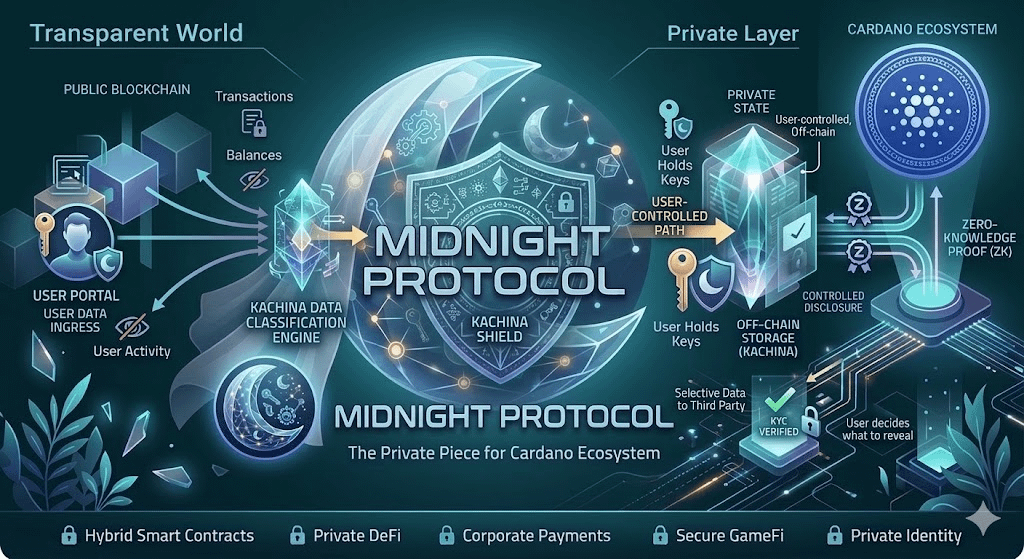
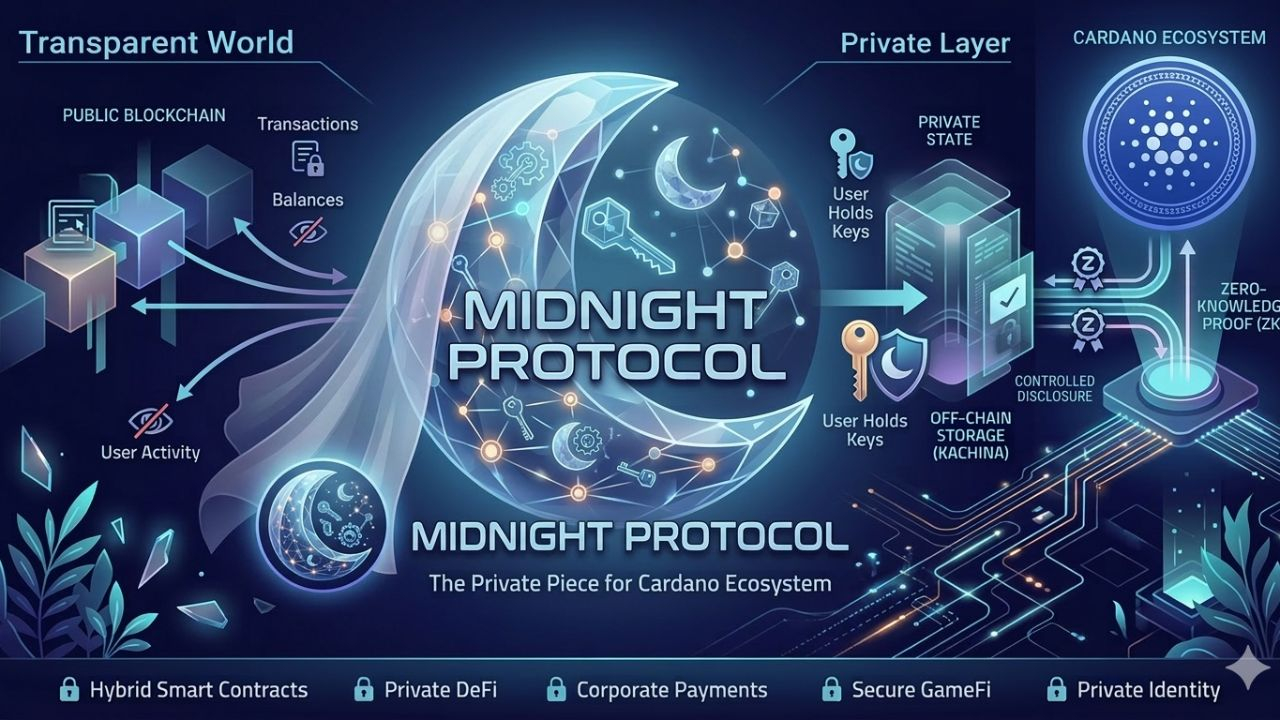
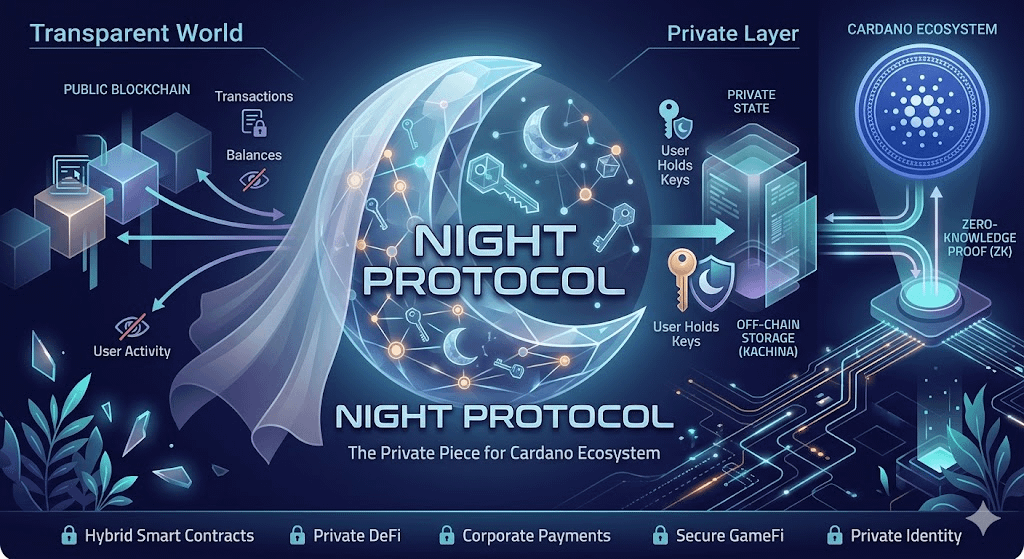
@MidnightNetwork uses Kachina technology to separate sensitive data from the public chain.
Instead of all information being exposed on the blockchain, important data such as balances, identities, or transaction data will be stored in a private state (Private State).
Only users hold the 'data key', maximizing the protection of trade secrets and privacy.
Zero-Knowledge Proofs (ZKP)
One of the core technologies of Midnight is Zero-Knowledge Proofs.
This is like a 'mathematical miracle' that allows the network to verify that a transaction is valid without revealing any detailed information.
As a result, the blockchain still maintains security and transparency, while users are protected in their privacy.
Selective Disclosure – Selective Disclosure
This is the factor that makes Midnight attractive to organizations and businesses.
Users can prove they are eligible to transact (e.g., KYC) without having to disclose their entire identity or personal data.
This creates a balance between legal compliance and privacy protection.
Hybrid Smart Contract
Midnight opens up a hybrid Smart Contract model.
In the same smart contract, you can have:
The public part to ensure the transparency and trust of the blockchain
The private part to protect data, strategies, and sensitive information
This opens up great potential for the new generation of dApps, from DeFi, enterprise finance to digital identity.
Web3 in the future will not only need to be decentralized and transparent, but also require controlled privacy.
And the Midnight Protocol could be the key to bringing blockchain closer to real-world applications on a global scale.