
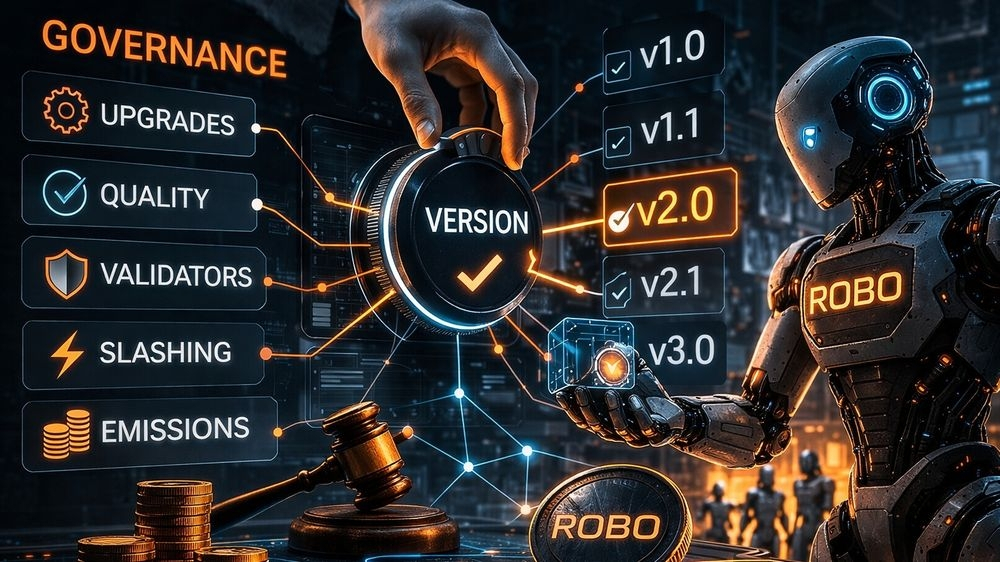


Why ROBO's Real Alpha Isn't the Robot Meme—It's the Verification Layer Powering the Actual Robot Economy
Everyone can say “AI + robotics + DePIN” and farm impressions. Very few projects are asking the harder question: when a robot says it completed a job, who proves it, who gets paid, and who eats the loss if it’s fake? That’s why I keep coming back to $ROBO .
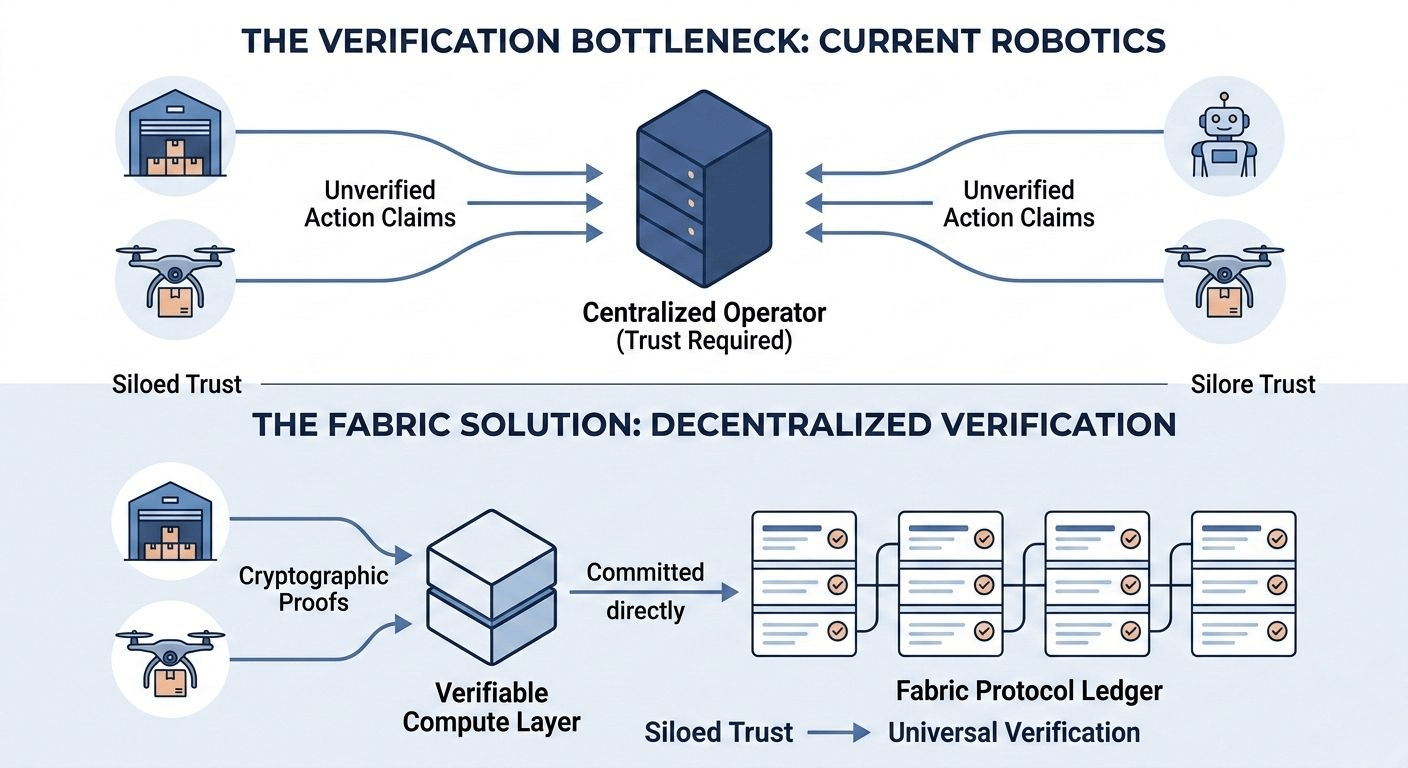
Last week I was down the rabbit hole at like 2 AM reading through Fabric docs, and that was the moment it clicked for me. @FabricFND isn’t pitching robots as shiny gadgets for a trailer clip; they’re building an open network where robots can have identity, coordinate tasks, and participate economically instead of staying trapped inside one closed operator stack.
That’s the part the market still feels too early to price, fr. For me, ROBO is what DePIN looks like when it moves past hardware and bandwidth and starts touching autonomous labor. If robot labor becomes networked, the winner won’t just be the company with cool hardware. It’ll be the layer that makes robotic work verifiable, allocates tasks, aligns humans and machines, and settles value cleanly in ROBO.
Why I’m paying attention to ROBO here:
Fabric Foundation describes ROBO as the core utility and governance asset for its non-profit mission to “Own the Robot Economy,” not just a side token taped onto the story. Fabric says builders and businesses may need to buy and stake ROBO to access the network, while rewards can be paid for verified work like task completion, data contributions, compute, and validation. Their governance model uses veROBO, where locking $ROBO gives voting power and longer lock periods increase influence over protocol parameters and improvement proposals. Fabric also says employers pay for robot labor in ROBO, and a portion of protocol revenue may be used to acquire ROBO on the open market.
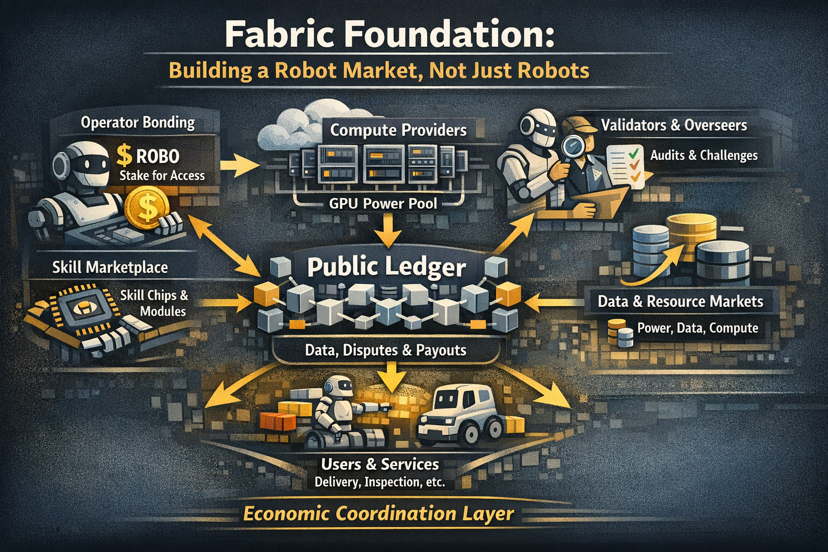
Now read that slowly and tell me that isn’t a way better flywheel than the usual “stake token, pray number go up” meta. If real tasks create demand, verified work distributes rewards, and veROBO pulls serious participants into governance, then ROBO starts looking less like a narrative chip and more like coordination fuel. That’s the kind of structure I actually want to study, not just a random chart pump.
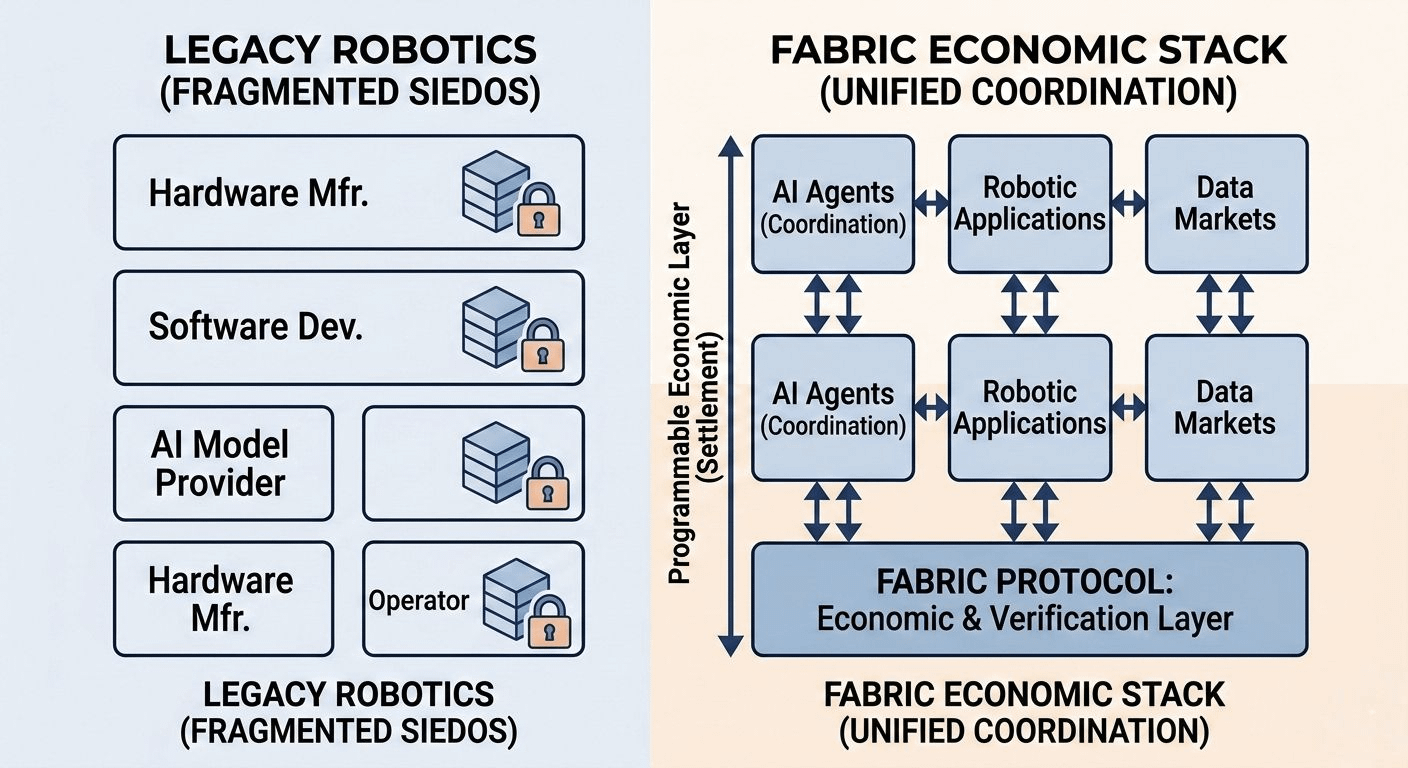
The other reason I’m bullish af is the real-world angle. Fabric is building the open infrastructure because robots are already showing up in warehouses, retail, hospitals, and delivery, but scale is still limited by closed systems that don’t coordinate well. So the bet on ROBO is not “one robot company wins.” The bet is that open infrastructure for many robots becomes necessary.
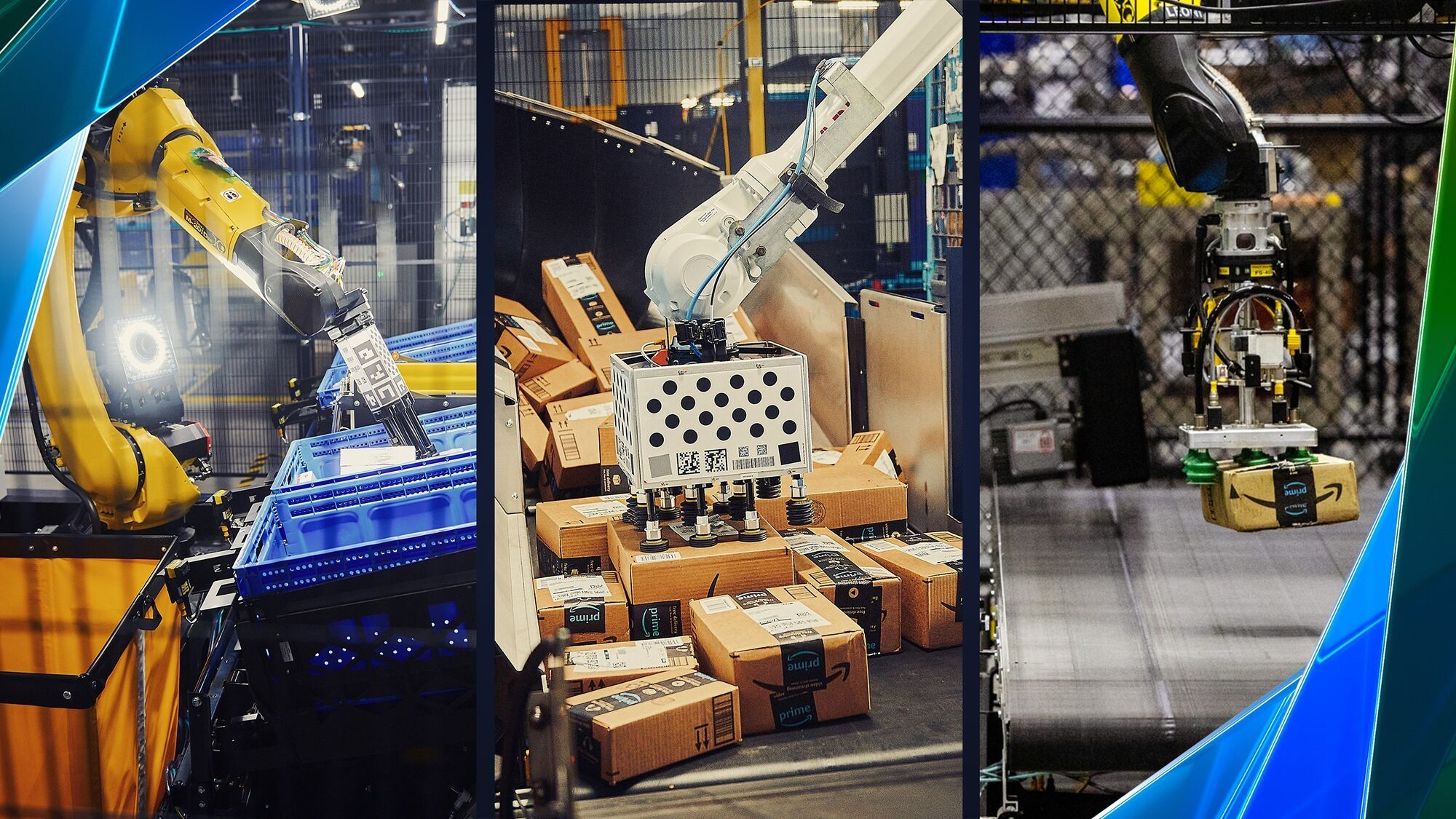
And yeah, I know what some of you are thinking: bro, every project says verifiable this, decentralized that. Fair. But Fabric’s whole interesting challenge is the ugly part: identity, verification, and making dishonesty expensive instead of pretending trust magically disappears. To me, that’s way more mature than fluffy AI copywriting and robot stock-photo marketing.
Also, tiny but important: the ROMOclaim portal went live on Feb 27 and the claim window ran until Mar 13. So the sleepy airdrop tourists are already late. From here, I care way more about whether ROBO can attract builders, operators, and actual verifiable robot tasks than whether someone got a free allocation.
My base case? If @FabricFND proves even a narrow wedge first — say warehouse logistics or delivery coordination — the market may start re-rating ROBO around utility, not just attention. DYOR obviously, but I think most people still see a robot token when they should be studying a robot economy stack. I’m not here for empty buzzwords; I’m here for a system where $ROBO actually sits in the middle of work, proof, and governance.
What do you guys think: is ROBO still being underestimated because people are focused on AI headlines, while the deeper play is verifiable robotic labor, veROBO governance, and real demand from onchain task settlement?