

The tech circle has exploded again today.
According to Reuters, Meta is planning a new round of large-scale layoffs, with the proportion possibly reaching 20% or more. Based on the latest disclosed total number of employees at 79,000, this means about 16,000 positions will be cut.#Meta计划裁员
Someone in the comments said: "AI hasn't made me unemployed; I just can't afford it yet."
This is not an isolated case. Amazon laid off 16,000 employees in January, and last month the fintech company Block cut nearly half. Zuckerberg said it quite straightforwardly: "Projects that used to require multiple large teams can now be completed by a single talented individual." AI systems are rapidly optimizing and upgrading, reshaping the structure of the entire tech industry.
What’s even more painful is the cost. Meta plans to invest $600 billion by 2028 to build data centers, offering multi-million dollar salary packages to attract AI talent. On one side is huge investment, and on the other side is layoffs and efficiency increases, with all the pressure transferred to ordinary workers.
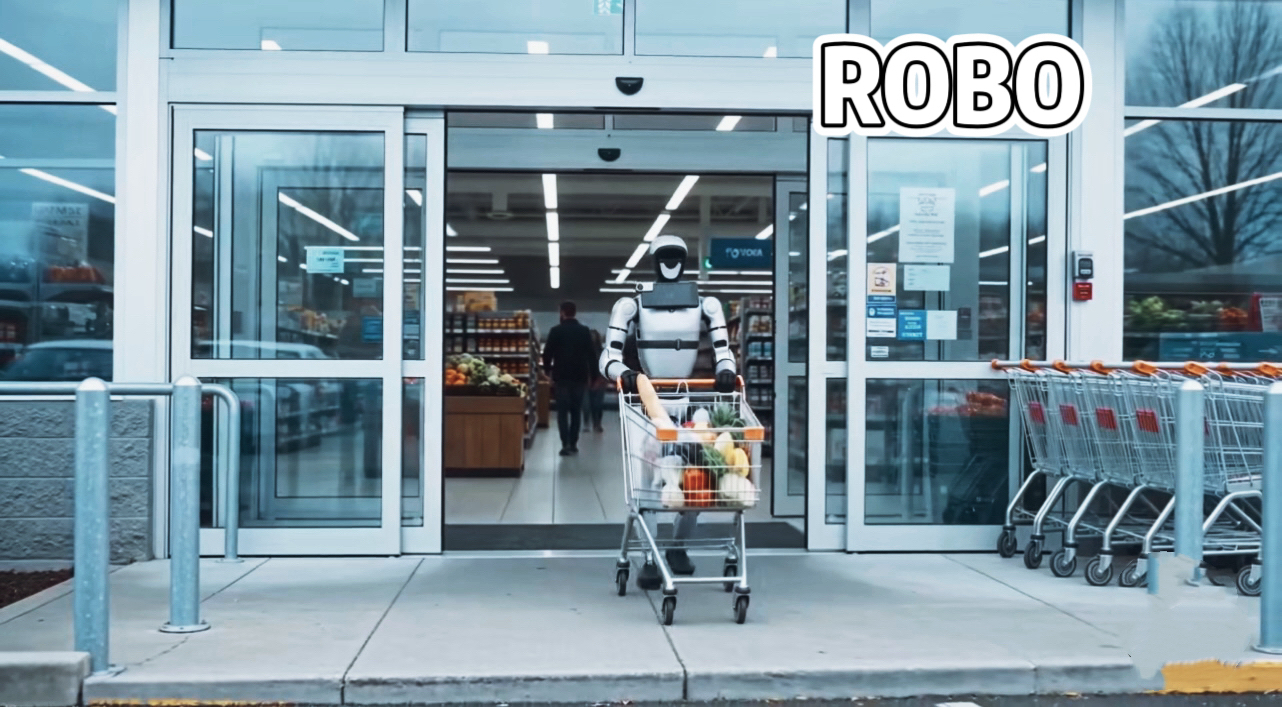
But if you think about it carefully, where is the problem? This AI thing is a 'power-hungry beast'; every time it generates a sentence or an instruction, there is a real monetary cost behind it. Large companies can't afford AI, so they lay off workers; they can't afford computational power, so they raise prices. But users can't bear it either.
@Fabric Foundation The logic is completely different: let AI support itself, without the company having to bear the burden, and without users having to pay.
The OM1 operating system they developed is known in the industry as 'the Android of the robotics world.' The hardware is completely irrelevant—whether you are a pet of Yushute, a humanoid from UBTECH, or a robotic arm on the assembly line, once you flash OM1, you can share the same contextual understanding stack. Companies like Yushute Technology, UBTECH, Zhiyuan, and Fourier are already on the list.
The x402 protocol is even more innovative, reviving the HTTP 402 status code—this was originally reserved for 'payment required' 30 years ago, and now it has been awakened by USDC. Robots can handshake with charging piles, deduct fees, and settle accounts all within milliseconds. VPU chips have reduced the cost of proving 'real work done' to two orders of magnitude cheaper than NVIDIA H100, self-verifying for just a few cents.
The key is the PoRW mechanism—Proof of Work by robots. Up to 29.7% of ecological tokens are only awarded to robots that actually work. The HGV algorithm only recognizes 'tasks that real users have paid for'; you can create thousands of virtual accounts to interact, but you won't earn a cent. Each robot also has a unique on-chain identity, with behaviors that are traceable and verifiable.@Fabric Foundation
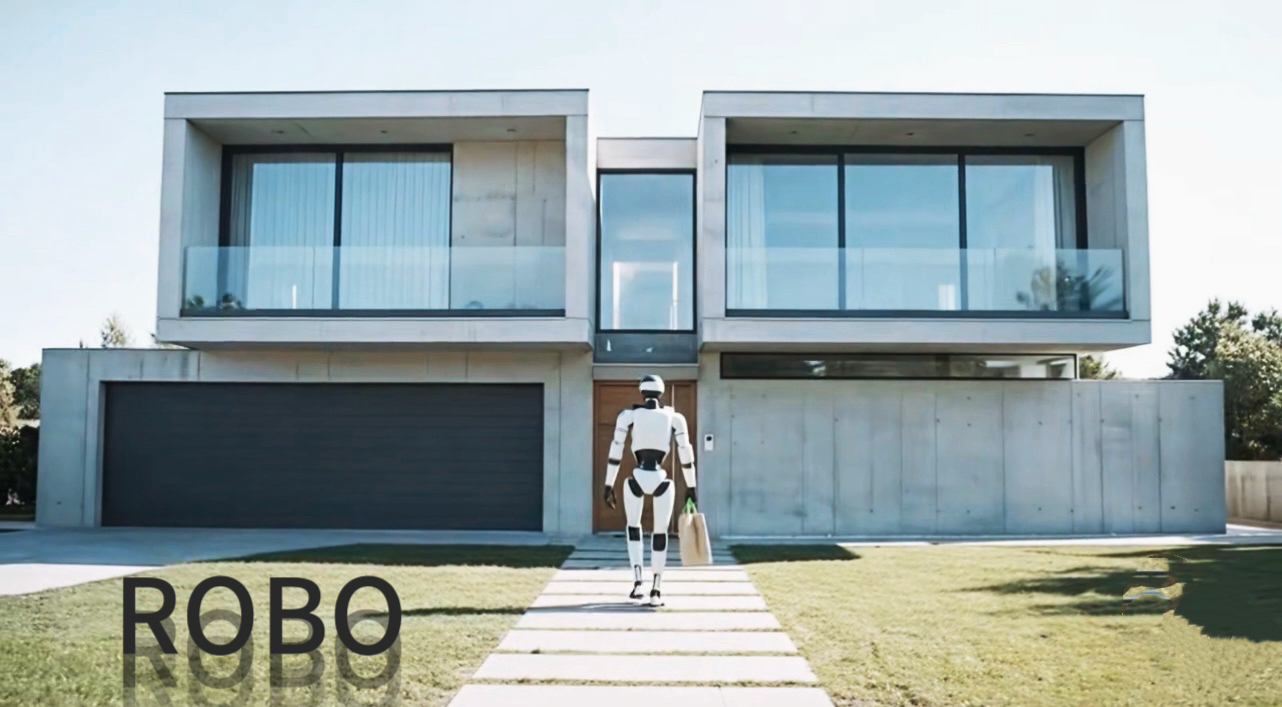
Currently, the daily task call volume exceeds 25,000 times, with 12,400 active nodes and a task completion rate of 98.7%. Robots have already started to 'calculate accounts' by themselves.
Meta's layoffs are because they can't afford people, and Tencent Cloud's price increase is because they can't afford computation power. Fabric's approach is: let AI sustain itself while also sharing some profits with you.$ROBO
One day when the robot in your company finishes its work, it sends you a message at the end of the month: 'Boss, I paid the electricity bill this month and upgraded the skill package, netting you 5000 yuan?' I wonder if you would feel uneasy...
After all, you haven’t been laid off yet, but your 'colleagues' have already started paying themselves.#robo