
Why Fabric Protocol Could Become the Backbone of the AI Robot Economy
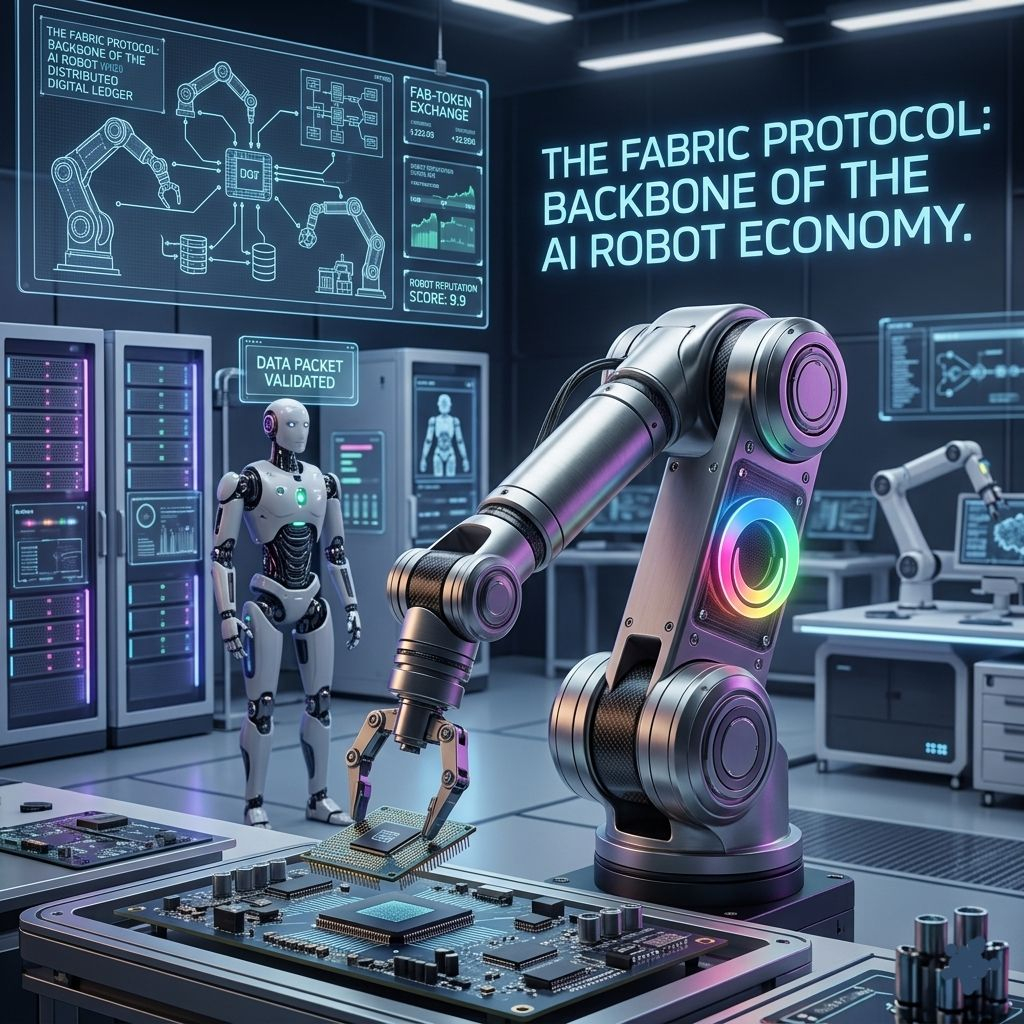
AI and robotics keep moving faster. You see them popping up everywhere delivery bots winding through city streets smart machines humming away in factories. But as these intelligent machines start running more of our world we are running into new headaches How do you get thousands of robots and AI systems to play nice together? How do you know you can trust them to actually do what they say? Who gets to decide the rules? That is where Fabric Protocol joins the story.
Fabric Protocol is built to be decentralized infrastructure for all these machines. Picture an open network based on blockchain that connects robots AI agents and people. It is not just some start up chasing buzzwords it is got the backing of the Fabric Foundation a non profit that wants to keep the development of smart machines safe and above board. Every move these robots make every delivery repair or chunk of data they collect gets recorded and verified on a public ledger.

One of the smartest ideas in Fabric Protocol is what is called verifiable computing. Usually with robots you have to just trust that they did their jobs right. Not here. Fabric logs everything important. Say a robot drops off a package or a drone checks out a power line there is cryptographic proof for all of it stored on the network for anyone to check. That kind of transparency builds real trust not just between people but between whole organizations and fleets of machines.
Here’s another clever bit robots in the Fabric system get their own decentralized identities. Each one gets a digital ID so it can prove who it is and talk to others securely. Over time if a robot keeps doing good work it earns a reputation. That reputation follows it around the network making it more likely to get picked for jobs.
Then comes the marketplace idea. Tasks show up on the network and robots can jump in to bid or collaborate on them. Smart contracts handle the nitty gritty when the job’s done and verified the robot gets paid automatically with Fabric’s own digital tokens. It is a whole new way for machines to earn and spend directly in digital marketplaces. No middleman required.
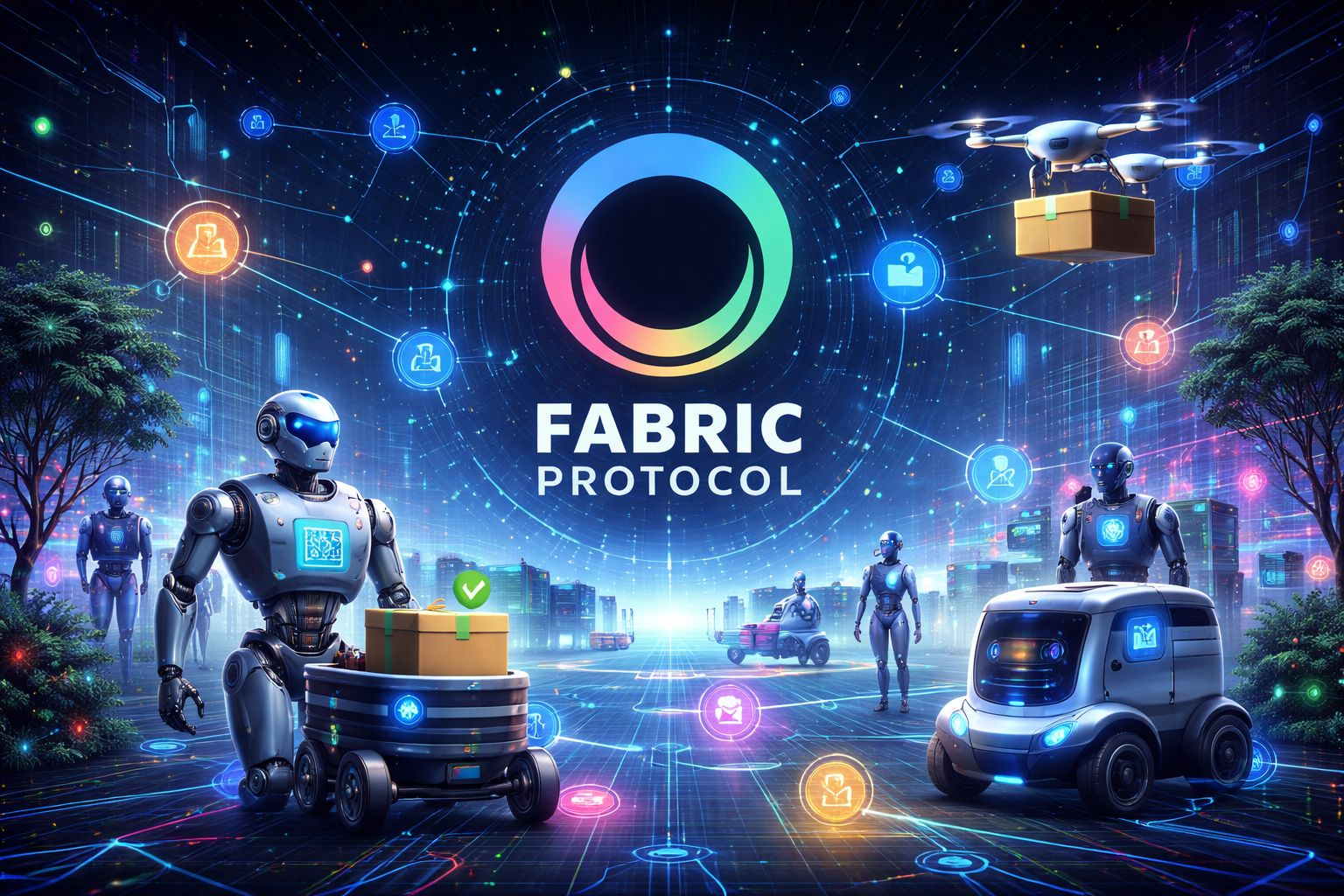
The possibilities are huge. In shipping and logistics imagine huge fleets of drones and bots working together with zero central control planning and swapping out jobs on the fly. Factories could run more smoothly different companies robots teaming up to get things built faster. Smart cities could use autonomous systems to track infrastructure pick up trash or monitor the environment and the whole thing stays transparent on the blockchain.
Governance really matters too. As robots and AI do more heavy lifting in society it is not enough to let a handful of companies call the shots. Fabric bakes in decentralized governance developers users and the wider community can all take part in shaping what the network becomes. It is a way to keep things open and accountable.
The timing could not be better. AI robotics and blockchain are all maturing at the same time making new kinds of automation and digital economies possible. As machines get switched on to act and decide for themselves they need a solid trustworthy backbone to interact with other machines and with humans. That is exactly what Fabric wants to provide.
Not that it is easy. For Fabric Protocol to really take off robotics developers and tech companies have to buy in. Connecting decentralized networks with actual hardware is complicated and new rules for autonomous systems are still being written. But even with those bumps in the road Fabric’s vision of open trustworthy systems for intelligent machines feels like a step toward a future where people robots and AI can actually work together.
Down the line the AI-robot economy could end up powering a ton of innovation and growth. If Fabric Protocol keeps building momentum it has a real shot at being the glue that holds this new decentralized machine world together.
#robo || #ROBO || @Fabric Foundation
