
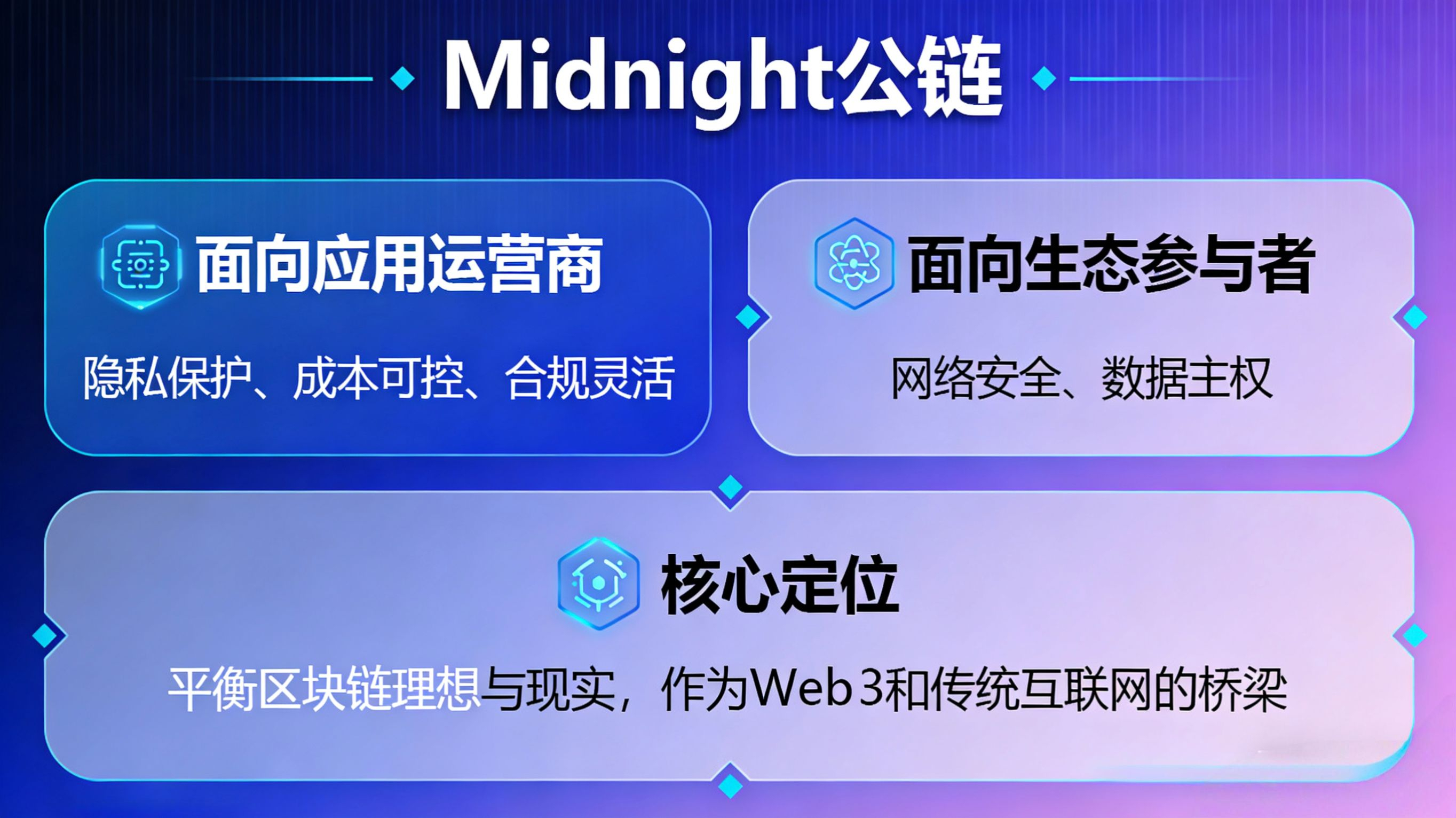
I have been researching Midnight during this time, and due to the creator task, I found out that it is really different from other public chains. It does not pursue extreme transparency or decentralization but focuses on real business implementation, solving the daily headaches we practitioners face.
First, let's talk about the value for application operators, which is also the part that resonates with me the most.
Those who have done on-chain interactions understand a bit that the transparency of traditional public chains is a double-edged sword. On one hand, it guarantees immutability; on the other hand, it lays all user data and business transactions on the table. Midnight is different; it can protect data and metadata, allowing companies to serve users well without worrying about sensitive information leaks or being exposed to business details. This is the foundation that can support real-world scenarios.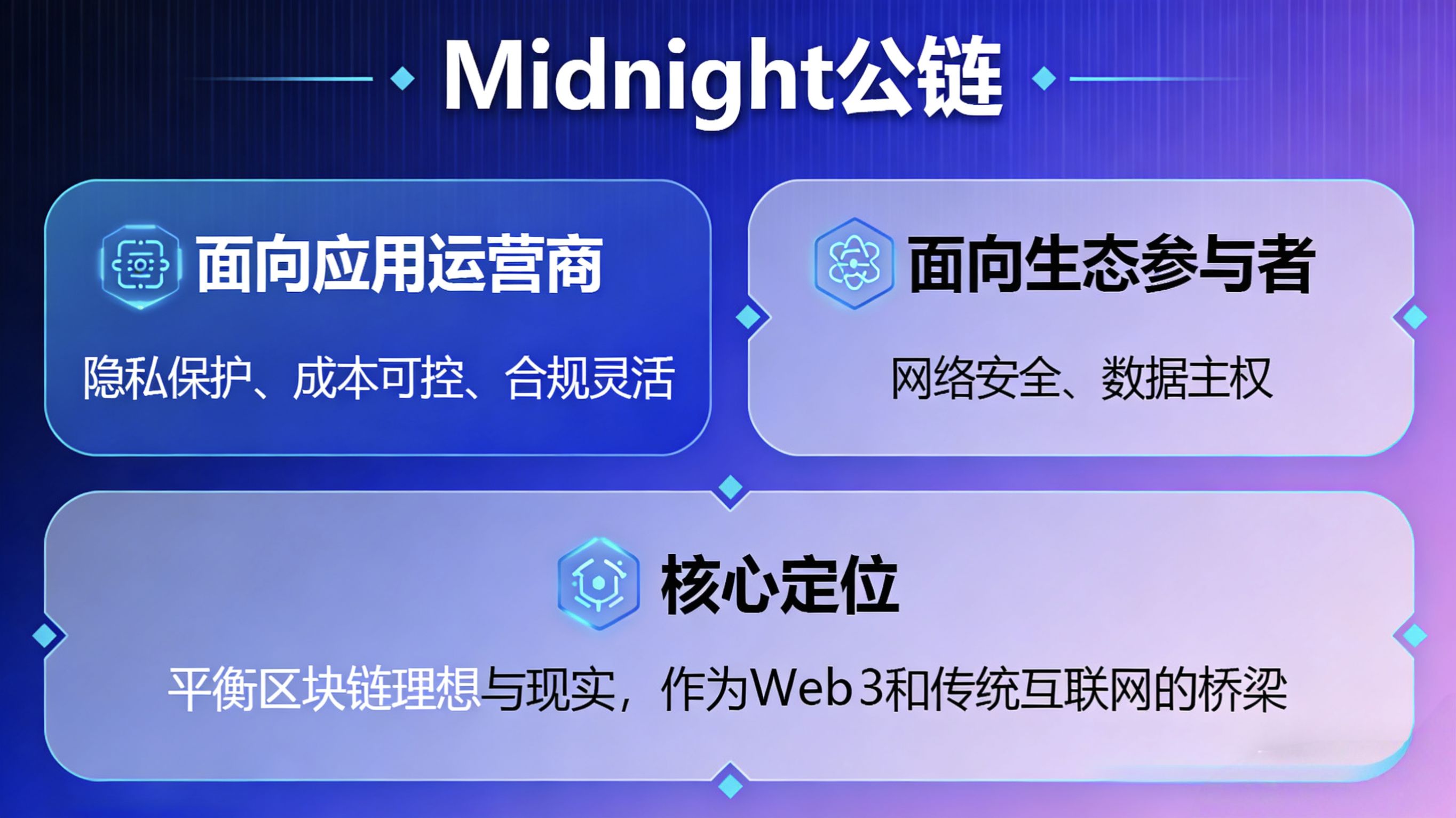
The next issue is cost. Previously, when using other chains, as soon as the token price fluctuated, the transaction fees would jump around, making it impossible to budget. Midnight runs on-chain transactions using stable resources independent of the native token, and it supports fiat payments, allowing for precise calculation of infrastructure costs without being led by token prices, making business planning much more solid.
By the way, I also need to mention compliance, which is crucial for overseas projects. Different countries have different regulatory requirements, and Midnight's architecture has taken this into account from the very beginning, supporting selective, programmatic disclosure of data. We can flexibly adjust the scope of disclosure based on business type and operating jurisdiction, meeting regulatory requirements without overexposing information, which was almost impossible on previous chains.
#night For ecological participants, Midnight's security design also provides peace of mind.
$NIGHT It collaborates with Cardano's node operators to participate in block production, directly inheriting a mature security framework, so there's no fear of network attacks, ensuring the stability of enterprise-level infrastructure. The key point is that it stores user privacy data on local devices, rather than centrally in a database or a bunch of nodes. Even if something goes wrong in one place, it won't lead to large-scale data leaks, giving us complete control over our data, which is true data sovereignty.
Actually, I think the most valuable aspect of Midnight is that it has found a balance between the ideals of blockchain and the reality of regulations. It hasn't given up on the core of decentralization, nor has it shied away from the real issues of privacy, costs, and compliance. For those of us who want to bring Web3 into real life, it's not a cooler chain, but a more usable chain.
The future digital economy will only have higher demands for privacy and compliance. I am very optimistic about the Midnight project; it is likely to become a bridge connecting the traditional internet and Web3, bringing more valuable applications closer to us. Anyway, I am quite optimistic about it, and now I'm just waiting to see how many real scenarios it can produce later.@MidnightNetwork