
After finishing up, the child finally fell asleep. Balancing family and work, I finally have my own time, but I still have to get up to handle the work I didn't finish during the day. I habitually opened the social media platform and saw a post: "The past ten years of you."

I hesitated to click in because ten years ago, I always liked to post some sentences that only I could understand in the deep of night: screenshots of repeated songs after a breakup, pictures of the moon taken when I was overwhelmed with work, and ramblings written in the memo at three in the morning. It seemed like this could fill the soul, and at that time, I always thought these late-night emotions were just memories of adolescence, scraps that my future self would laugh at and delete.
But ten years later, I no longer dare to click in.
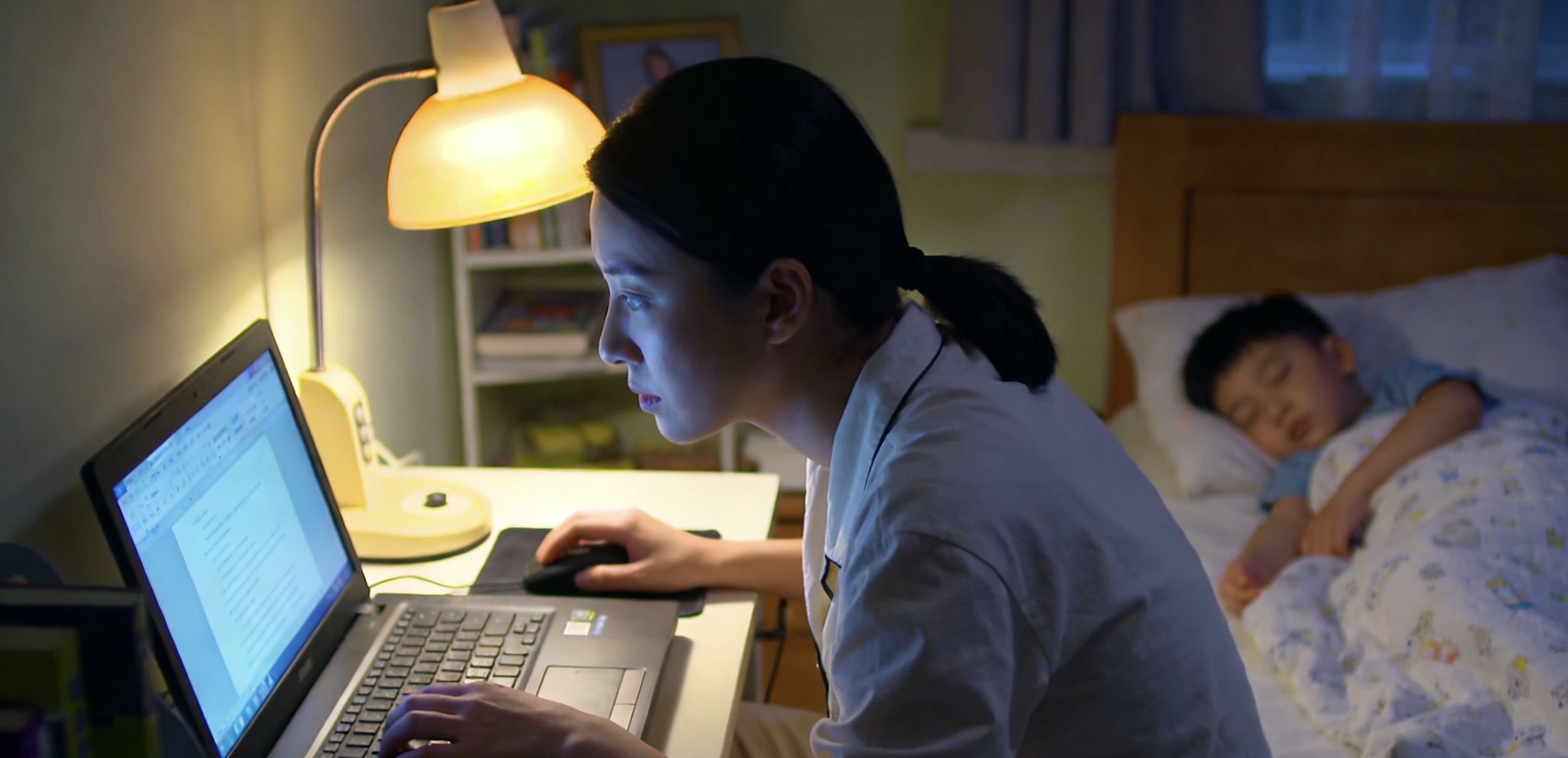
It’s because I know that once I click in, these things will no longer belong only to me. They will become data fed to AI, the basis for advertising pushes, and even samples that may be taken by strangers for research someday. The most authentic, awkward, and unrefined parts of me will be dissected by algorithms into labels: active late at night, emotionally sensitive, medium to high consumer potential.
It wasn’t until I met #night HT and @MidnightNetwork that I suddenly understood one thing: the reason late nights are precious is not because no one sees them, but because you can choose who sees them.
I once thought about a question: If one day I suddenly disappear, who will remember me? What will happen to these emotions scattered across the internet? Will they be inherited as 'assets' by my family? Will my children see the vulnerability and struggles of their mother during those late nights? Or will they become permanently archived data on the platform, used as cold training material? Or will they become a joke for some people?
Thinking of this, I feel a wave of suffocation. Our generation even has sadness that is 'traceable,' and even breakdowns must be 'documented.' We all hope these things can be hidden away and cherished properly.
So I began to understand what Midnight is doing.
It’s not teaching us to hide, but to distinguish: which are the daily life that can be shared, and which are the nights that belong only to oneself; which are the 'inheritance' that can be left to future generations, and which are the 'secrets' suitable only to rot in the heart or to be seen by that specific person.
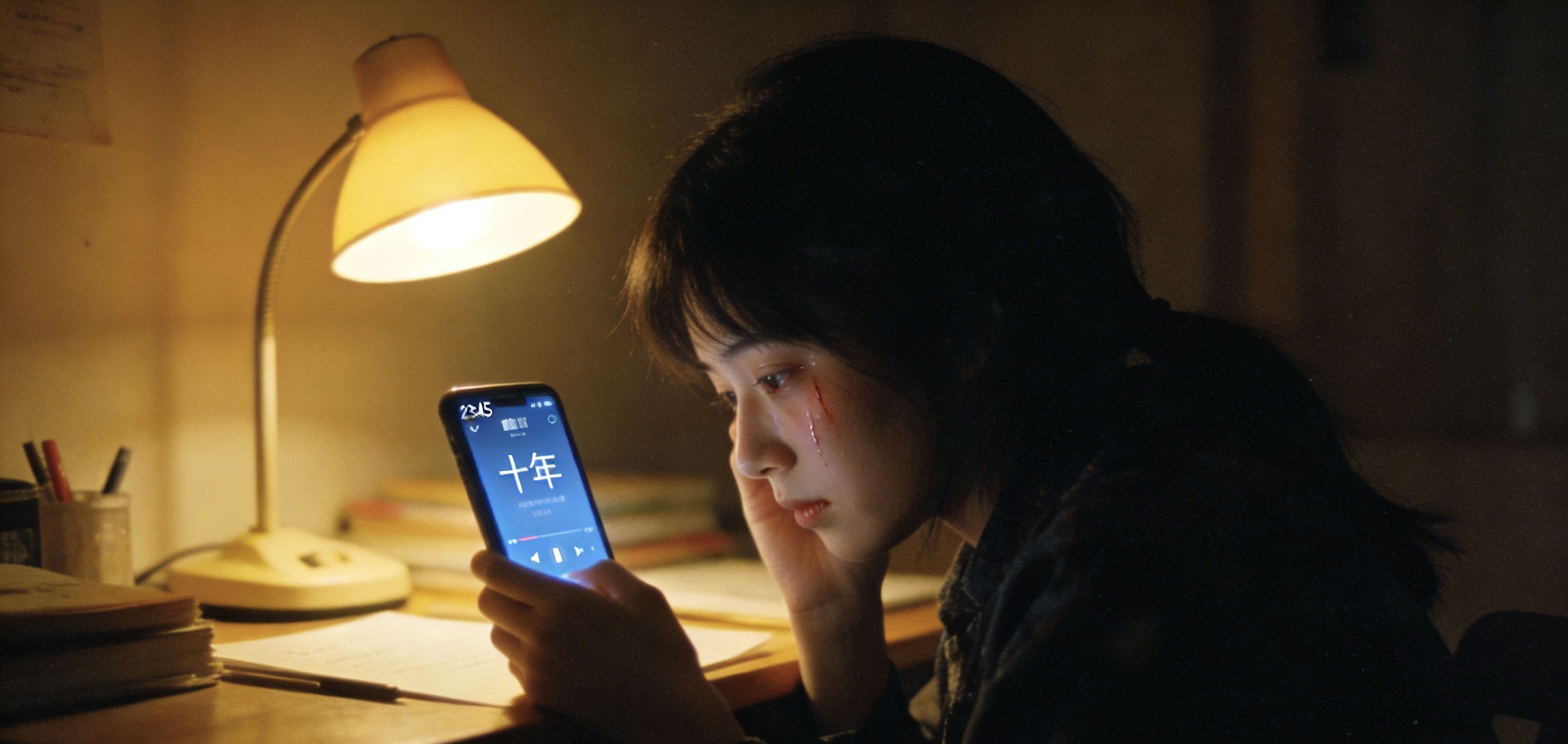
I used to think that privacy is a 'presumption of guilt'—I haven’t done anything wrong, what am I afraid of? Later I understood that privacy is not a shame cover, but a sense of boundary. Just like the bedroom door at night, closing it doesn’t mean that something shameful is happening inside, it only means that at this moment, I want to spend some time with myself.
$NIGHT gives me the right to this late-night bedroom door. It lets me know that even if I live on the internet, I can still have a small piece of territory that is not pried into. I can store things there that don’t have to become 'inheritance': the sound of rain outside during sleepless nights, things I want to say to myself ten years from now, those moments that feel pretentious when spoken but are hard to delete.
After a long time, I finally turned off the computer and lay back down next to my child.
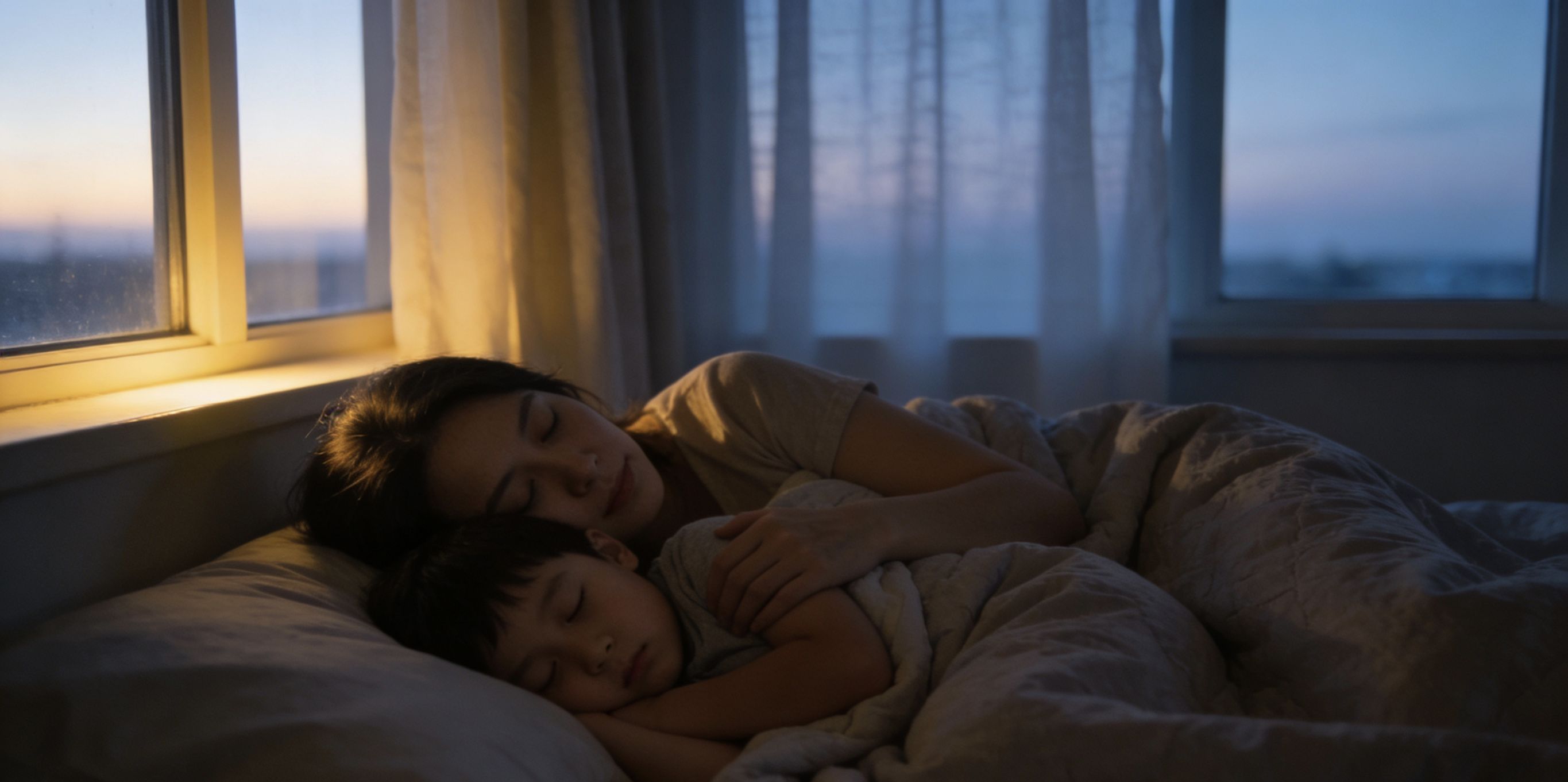
Outside, the horizon is tinged with fish belly white, and those emotions belonging to the late night still belong only to me. To myself!