

Most of crypto moves loud. Tokens pump, narratives rotate, and attention shifts fast. But every cycle, a few projects skip the noise and focus on infrastructure. The kind that doesn’t trend daily, but ends up everywhere once the ecosystem matures.
$SIGN feels like one of those.
At a glance, it might not look like much. No flashy promises, no over-the-top marketing. But underneath, it’s tackling something Web3 still hasn’t fully solved: how to prove trust, identity, and credibility on-chain without breaking decentralization.
What $SIGN Actually Is
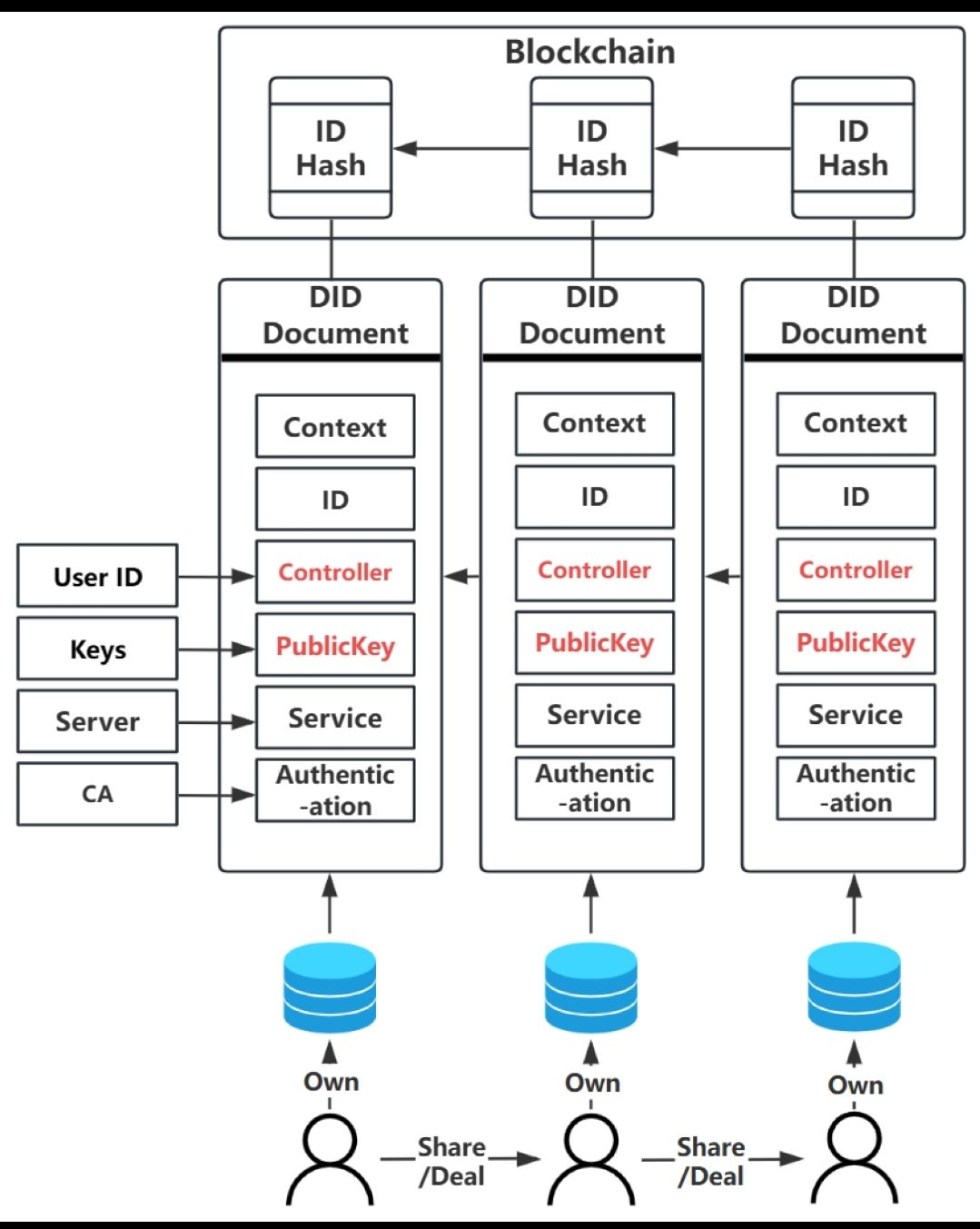
At its core, @SignOfficial is a system for creating and verifying attestations.
Think of attestations as on-chain statements that say:
“This wallet passed KYC”
“This user owns this credential”
“This address participated in this event”
Instead of relying on centralized databases or scattered records, these proofs can live on-chain, verifiable by anyone, but controlled by the user.
That’s the key shift. Web3 has ownership, but it still struggles with reputation and verification. $SIGN sits right in that gap.
The Problem It’s Solving
Right now, most of crypto runs on assumptions:
A wallet looks legit based on activity
A user claims experience with no proof
Projects distribute rewards with weak filtering
There’s no universal, reliable way to verify who did what without introducing central authority.
This creates friction everywhere:
Sybil attacks in airdrops
Fake credentials in DAOs
Trust issues in on-chain interactions
$SIGN is trying to standardize trust itself, without turning Web3 into Web2.
How It Works (Simple Version)
Instead of complicated jargon, here’s the idea in plain terms:
An entity issues an attestation
(e.g., a platform confirms you completed a task)
That attestation is recorded on-chain or via verifiable data layers
Anyone can verify it, but no one can fake it
This creates a system where:
Data is portable (you carry your reputation across apps)
Proof is verifiable (no need to trust blindly)
Control stays with the user
It’s like turning your wallet into a living resume, but cryptographically secured.
Why This Actually Matters
A lot of Web3 problems trace back to one missing piece: credible identity without centralization.
If it works at scale, it unlocks:
Fair airdrops (filter real users from bots)
DAO governance with reputation weighting
On-chain credentials (education, work, participation)
Better credit systems in DeFi
Right now, most apps rebuild trust systems from scratch. With $SIGN, that layer could become shared infrastructure.
And once something becomes infrastructure, it quietly becomes everywhere.
Where It Fits Compared to Others
There are other attempts at identity in Web3:
Soulbound tokens
On-chain profiles
KYC-linked systems
But most fall into one of two traps:
Too rigid and centralized
Too experimental to scale
$SIGN’s approach is more flexible. It doesn’t try to define identity in one way. Instead, it provides the tools to issue and verify any kind of claim.
That modularity is what makes it interesting.
Why $SIGN Could Become Core Infrastructure
The biggest winners in crypto aren’t always the loudest. They’re the ones that:
Integrate everywhere
Solve a fundamental problem
Become invisible but essential

If developers start building on Sign Protocol for attestations, it could turn into a default trust layer across:
SocialFi
DAOs
On-chain marketplaces
And once projects rely on it, switching away becomes harder. That’s where real value compounds.
The Opportunity and the Catch
There’s real upside here, but it’s not guaranteed.
Opportunities:
Growing need for sybil resistance and verifiable identity
Increasing complexity of on-chain ecosystems
Demand for reusable trust systems
Risks:
Adoption is everything. Without integrations, it stays niche
Competing standards could fragment the space
Users may resist anything that feels like surveillance or over-verification
Infrastructure plays are powerful, but they require patience. They don’t explode overnight. They spread slowly, then suddenly.
Final Thoughts
$SIGN isn’t trying to be the next hype cycle leader. It’s trying to solve a problem most people don’t fully notice yet.
But that’s usually how the important layers start.
If Web3 is going to scale beyond speculation, it needs better ways to verify trust, reputation, and participation without sacrificing decentralization.
That’s the lane $SIGN is building in.
And if it gets it right, it won’t need to be loud.
It’ll just be everywhere.
One-line takeaway:
$SIGN isn’t chasing attention, it’s building the trust layer everything else will rely on.