
A few days ago, I had tea with a friend from the blockchain community. I transferred some USDT for emergencies, and the other party directly followed the address to dig into my staking pool, even joking about me staying up late for a meme coin. At that moment, I truly felt that transparency on the blockchain is more awkward than exposing myself. As a veteran who has been in Web3 for many years, I’ve had enough of this privacy exposure. It was only when I encountered night that I felt I was on the right path.
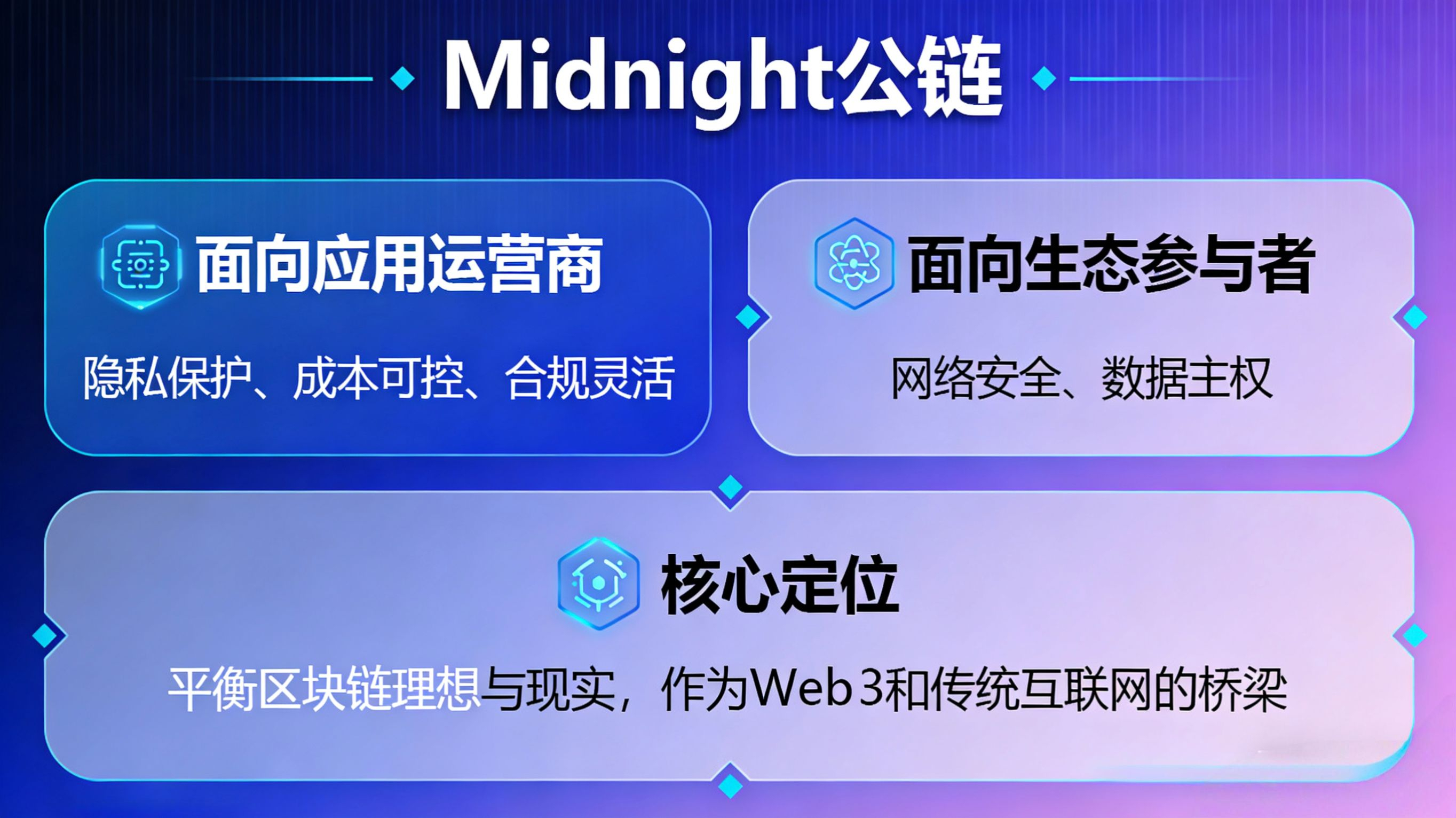
When I researched Midnight, I was first struck by its rational privacy. Unlike older projects that violently cut things off, it uses zero-knowledge proofs for selective disclosure. I can prove I have money to pay but don’t have to expose my entire balance. This is the logic we should have, after all, no one wants every transaction to be completely laid bare.
Deep digging into the underlying layers reveals that the real tough work lies in the Kachina protocol. Friends who worked on Zcash early on complained that privacy and contracts couldn't coexist; you either hide data or simplify logic. But Midnight separates on-chain states into public and private, like a safe, where the public numbers are easy to manage, and only those with the key can see what's inside. Even more impressive is the multi-resource trading model, which calculates zero-knowledge proofs locally, with the chain only responsible for verification, maximizing efficiency. This design is what Web3 should have: lightweight on-chain and heavy on local.
Some say night is just a side chain with a new look, but I see it as the torch of order. Privacy chains fear poor performance and compliance issues the most. As a non-shielded token, night serves as both a ticket to enter and a governance core. Don’t criticize IOG for moving slowly; their engineering quality is truly stable. They don't engage in short-term hype, targeting those institutions that fear leaking trade secrets, after all, no one wants to reveal their trump cards to the whole network.
Of course, I must pour cold water; zero-knowledge proofs are too unfriendly for beginners, and if the UX isn't done well, it will inevitably turn into geek self-indulgence. If cross-chain isn't smooth, users will soon run off to compromise with Layer2. The compliance line is even more like dancing on a tightrope. But these issues can be slowly honed compared to the privacy needs it addresses.
Even if Midnight really pokes me. During the day we must be transparent, we need social interaction, but late at night, we crave the tranquility of not being disturbed. Right now, Web3 is too bright; every speck of dust is magnified, while night offers the right to disappear.$NIGHT
#night It may not make me rich overnight, but in the transparent digital wilderness, it has helped me build a walled garden, deciding when to welcome guests and when to turn off the lights; it’s all up to me. This, perhaps, is the dignity that Web3 should have.@MidnightNetwork