

A lot of blockchain projects still behave as if exposure is a feature. They treat transparency as the highest good, even when it turns ordinary users into open books. Wallet activity becomes traceable, behavior becomes readable, and ownership starts to feel visible in ways that were never meant to be normal. That model may have helped define the early phase of crypto, but it does not feel complete anymore.
What interests me more is the direction of a blockchain that uses zero knowledge technology to create real utility without forcing people to give up control of their data. That idea feels far more mature. It suggests a future where blockchain is not only functional, but also respectful. Not only open, but intelligent enough to understand that privacy matters.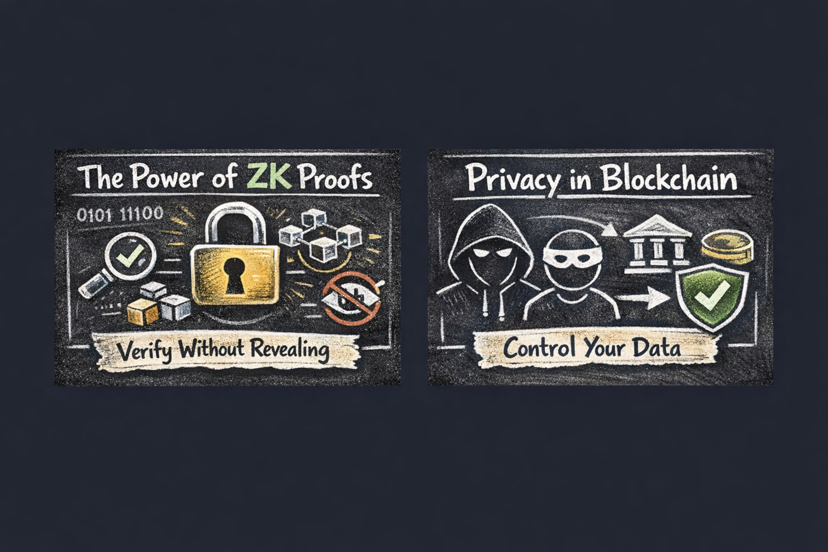
To me, that changes the meaning of usefulness. A network becomes more valuable when people can interact with it without feeling watched at every step. Utility should not demand exposure. Ownership should not come with unnecessary visibility. Participation should not feel like surrender. That is why the use of ZK proofs stands out. It offers a way to verify what needs to be verified while protecting everything that does not need to be public.
That balance is powerful because it solves a deeper problem than speed or scale alone. It addresses trust. Not the loud kind of trust built through branding and promises, but the quiet kind built through design. When a system can prove validity without revealing private details, it creates a more thoughtful relationship between the user and the network. It tells people that their presence has value, but their privacy does too.
I think this is where the conversation around blockchain becomes more serious. The space has spent years proving that decentralized systems can move assets, run applications, and support digital economies. The next question is whether they can do all of that without turning personal activity into public material. That is where zero knowledge technology feels important. It does not simply improve blockchain. It refines its character.
A privacy preserving network is not interesting just because it hides information. It is interesting because it gives people more control over what they reveal, when they reveal it, and why. That creates a better foundation for identity, payments, governance, access, and ownership. It makes the system feel less extractive and more balanced. In that kind of environment, privacy is not treated like an obstacle to innovation. It becomes part of the innovation itself.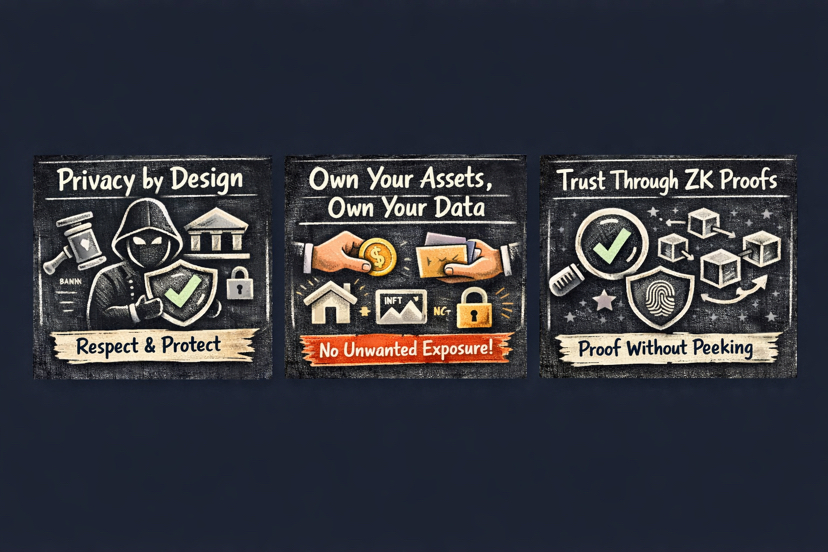
What makes this direction compelling is that it feels practical, not theatrical. There is no need to frame it as a fantasy. The real strength is in how naturally it fits the way digital life should evolve. People want useful systems, but they also want dignity. They want technology that can serve them without constantly exposing them. A blockchain that understands this is not just adding a feature. It is correcting a flaw that has existed for too long.
That is why I find this model more meaningful than the usual noise around the market. It points toward a version of Web3 where protection and participation can exist together. Where ownership remains real, but data does not become collateral. Where utility grows, but personal boundaries remain intact.
For me, that is not a small improvement. It is a better philosophy for where blockchain should go next.