
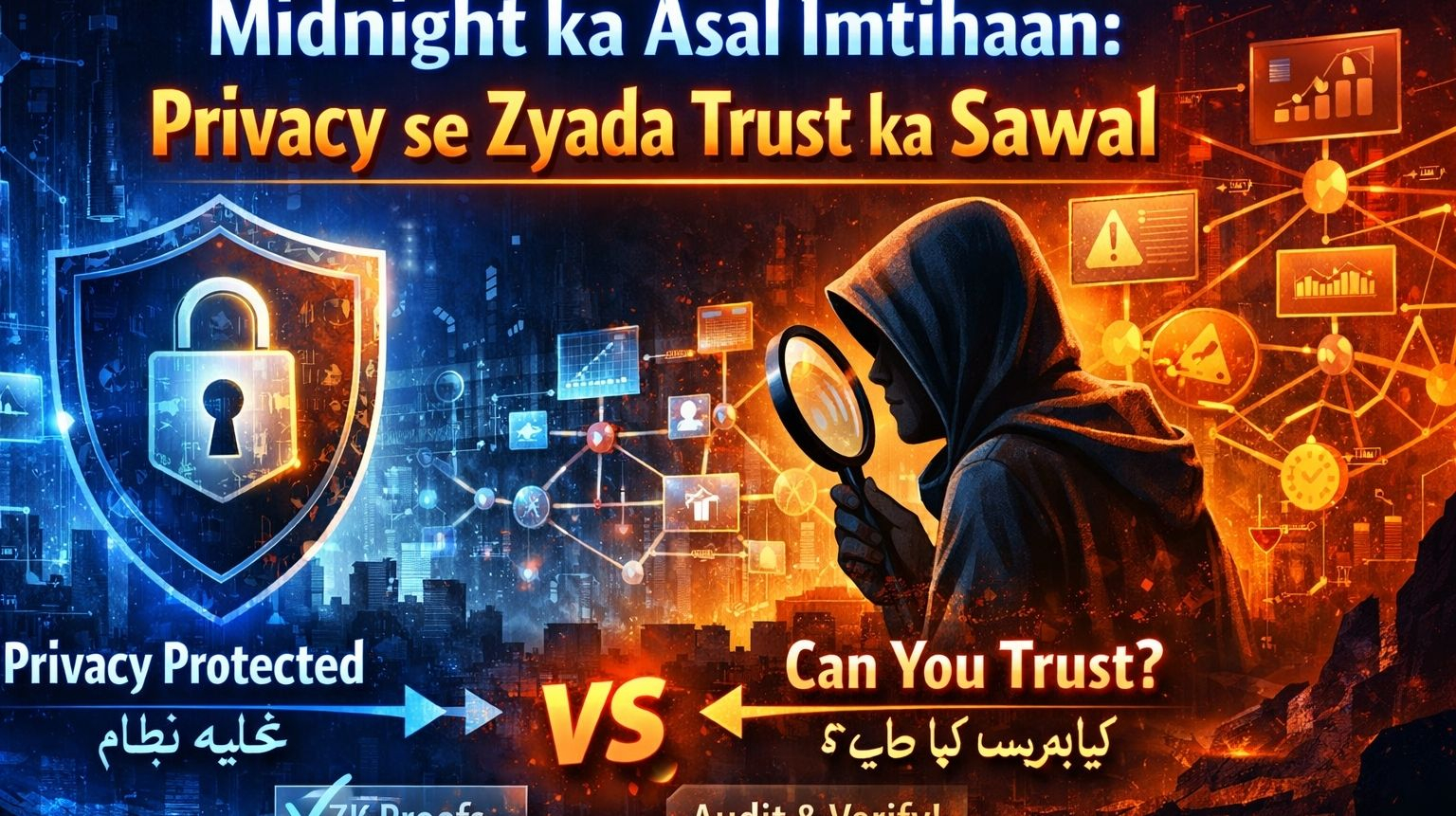
The more I think about Midnight, the less I think the hard part is privacy.
Privacy is easy to defend. Especially if you want enterprises to touch blockchain without acting like they just walked into a glass house with their financial records taped to the wall.
This matter is absolutely straightforward. Every company wants its sensitive data, internal logic, and business activity not to be public. Public blockchains were created for transparency, but showing everything openly is not practical for every use case. Therefore, when Midnight talks about selective disclosure, its idea seems strong.
But the real problem starts here.
The more things are hidden within the system, the harder it becomes for outsiders to verify what is happening inside. And the original power of blockchain was that anyone could see, trace, and question.
Transparency was not just a feature; it was a way to build trust.
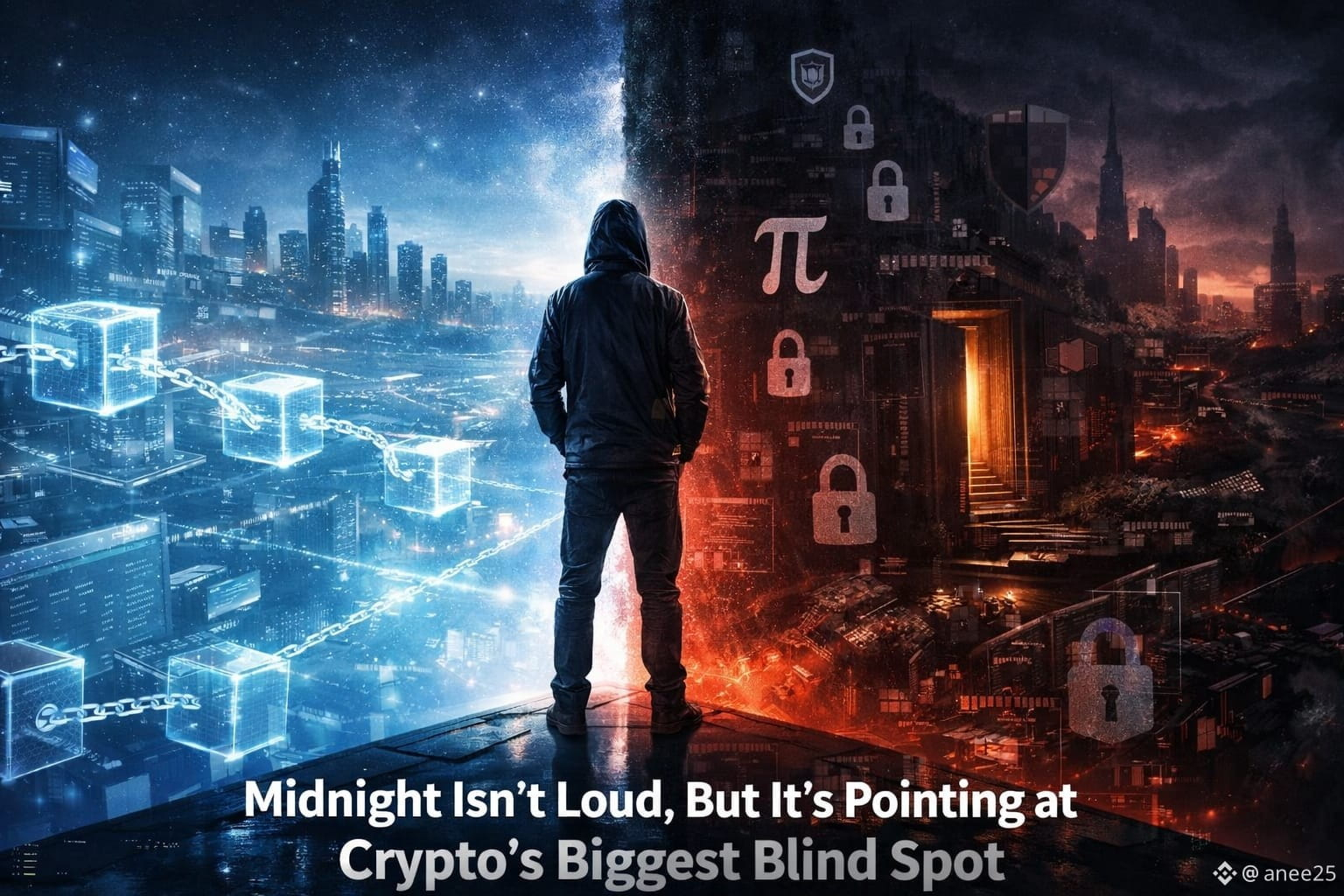
Midnight changes this model. It prioritizes privacy, which makes sense. But what diminishes in return is open visibility. And this trade-off is not small.
When visibility is low, it's difficult to catch problems quickly. Bugs, exploits, or suspicious behavior arise quickly in public systems because many eyes are on them. Everyone checks from their end. This collective oversight strengthens the system.
In private systems, this advantage diminishes.
Now the trust in the system depends on whether some people or tools are working correctly. Verification does not remain open for everyone. This changes the trust model from verify yourself to trust the system.
Here comes the concept of zero-knowledge proofs. In theory, it's powerful. You can prove correctness without revealing data. But in the real world, trust is not built just from math. Trust is built when people can see independently, understand, and challenge if something seems wrong.
If the system becomes so private that ordinary users can't see anything, then what should they trust?
Developers?
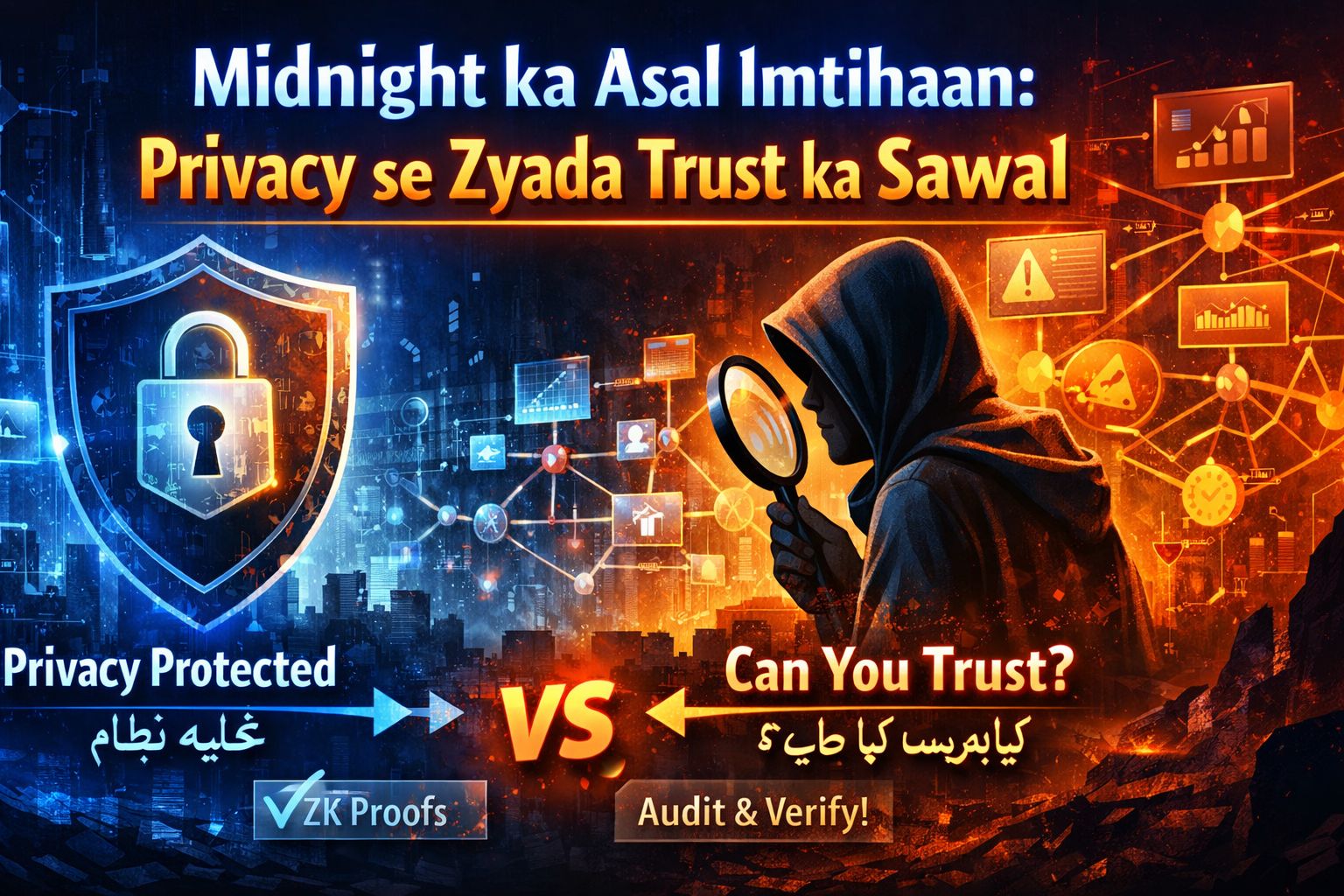
Auditors?
Or the invisible processes running inside the system?
This is the point where the original promise of blockchain starts to weaken.
Midnight's approach is interesting because it is trying to solve a real problem of enterprise adoption. But its solution also introduces a new risk: reduced auditability.
The real challenge is whether Midnight can create a system where both privacy and trust can be balanced.
Is it possible for data to remain private, yet the system still be transparent enough to instill confidence in people?
Could there be a mechanism where errors or exploits can be detected quickly, even if the system is largely hidden?
If Midnight achieves this balance, it could set a new standard for the blockchain space.
But if privacy becomes too heavy and visibility decreases, trust will once again become centralized; it will just change form.
And then the only difference will be that the system won't seem public, it will seem controlled.
That's why the real test of Midnight is not privacy.
The real test is whether it can maintain trust even without full visibility.
Privacy can make blockchain usable.
But visibility is what makes it reliable.
If both can go hand in hand, then this could be the future.
If not, then the problem will not be solved, it will just go silent
@MidnightNetwork $NIGHT #night #Web3metaverse #PrivacyDebate #ZeroKnowledgeFuture #MidnightNetwork