
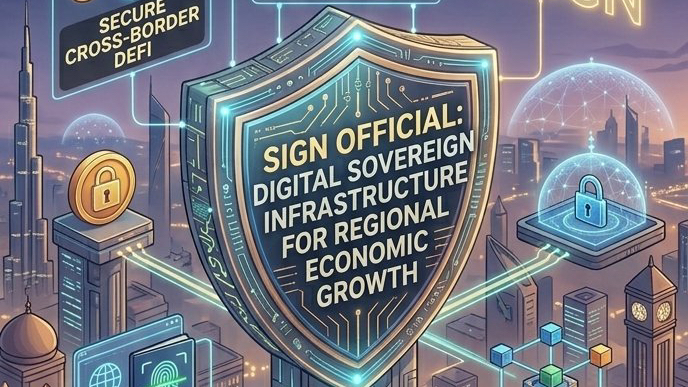
Why is $SIGN compared to “trust being encoded”?
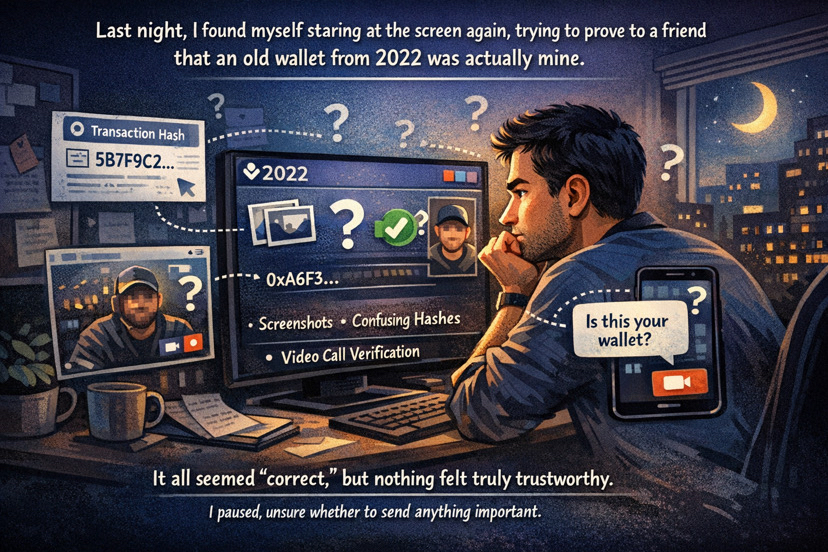
In Web2 (and traditional real life), trust is often based on:
- Intermediaries (banks, governments, technology companies, acquaintances...).
- Words, documents, contracts → easy to forge, loss, or modification.
- “Trust” is a subjective feeling, with no immutable evidence.
Sign Protocol completely changes that by encoding trust into mathematical data on the blockchain:
- Attestation: Any claim (who I am, what I own, what tasks I have completed, this contract is valid...) is digitally signed with a private key → creating a tamper-proof record.
- On-chain / Omni-chain: This record is stored or referenced on the blockchain (supporting Ethereum, Solana, TON, and many other chains), becoming public, immutable evidence.
- Schema-based: All attestations follow a standard template (schema) → structured data, easy to verify automatically with code.
- Cryptographic encoding: Trust is no longer "I promise" or "the company confirms", but is hash + digital signature + Merkle proof → "encoded" into pure mathematics, no one (including the Sign team) can change it without being detected.
→ Trust being "encoded" means:
It has transformed from something abstract, easily manipulable → into immutable code that is programmable (programmable trust).
This is the philosophy of "Code is Law" but applied to the trust layer of Web3.
Real-world examples:
- You "I graduated from university X" → create an attestation signed with the school's key → anyone can verify on-chain without needing to ask the school again.
- Fair token airdrop: Attest "This user is eligible" → automatic, transparent token distribution, cannot be cheated.
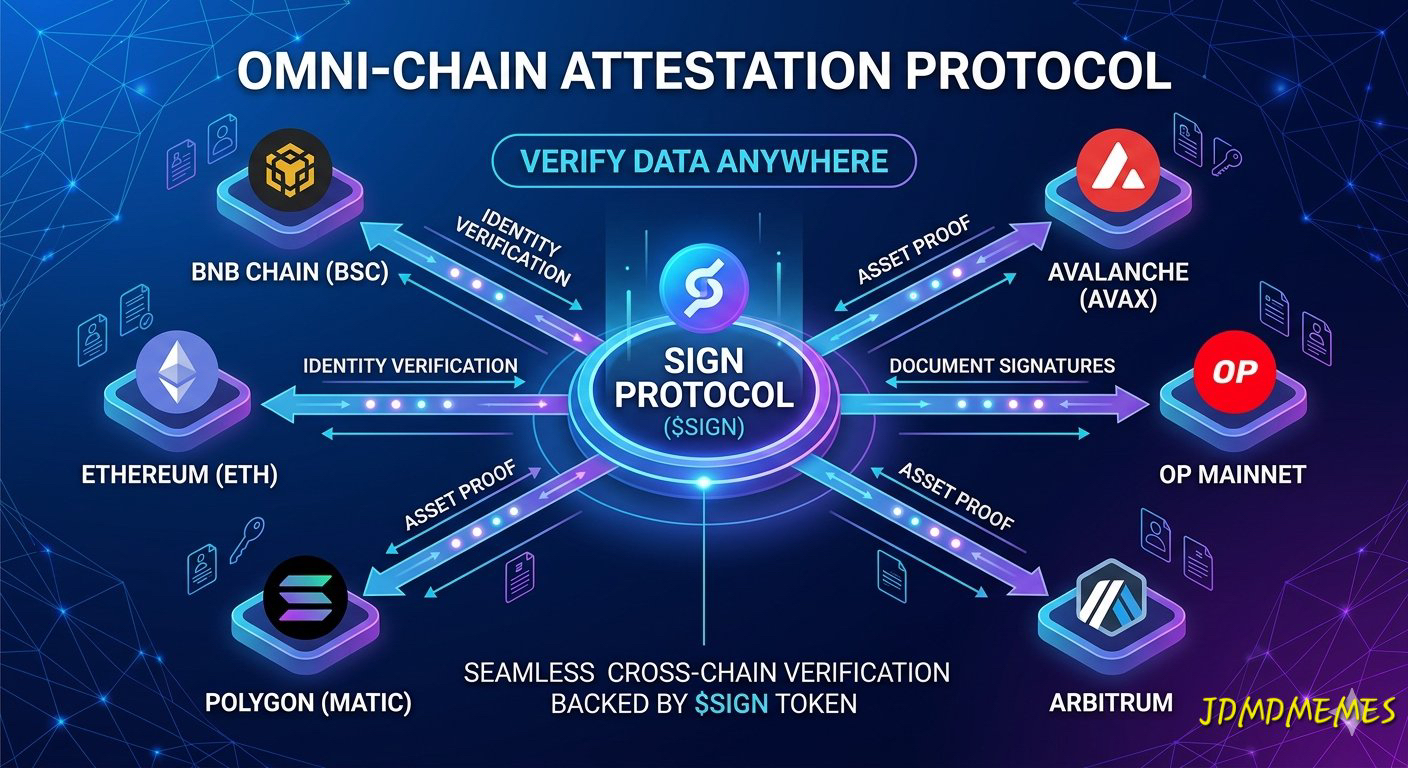
2. Why is it secure & tamper-proof?
- Unlike encryption (secret coding), Sign Protocol is public attestation → data can be public, but authenticity is protected by crypto.
- Security here is not about "hiding data", but protecting integrity and authenticity.
### 3. Summary: SIGN = Trust encoded + Security
- Encoding trust → Shifting trust from "people/intermediaries" to mathematics + blockchain → verifiable, programmable, cannot be forged.
- Security → Thanks to digital signatures, immutability, decentralization → attestation becomes immutable evidence, publicly verifiable, replacing blind trust.
4. The big goal of Sign is to bring billions of Web2 users to Web3 through real applications: electronic contract signing, fair airdrop, on-chain reputation, digital sovereign identity... No more "trust me", but "check the code and verify on-chain" 💪
The team is quite strong and transparent:
- Xin Yan (CEO & Co-founder)
- Potter Li (Co-founder)
- Jack Xu (CTO & Co-founder)
The project has rebranded from EthSign, raised good funding, received Binance spotlight (HODLer Airdrop), and the community is building strongly (like Creatorpad campaigns).