


Last night I was really confused by the market. First, I saw a piece of news saying that a certain big figure indicated that peace talks were very promising. My first reaction was that the market might stabilize, and I even began to mentally rehearse the upcoming trends and operational rhythm. But before I could fully react, another side immediately released completely opposite signals, directly stating that they would continue to strike, and there was fundamentally no space for so-called easing. I was completely stunned at that moment; the same event had two completely opposing pieces of information, and both seemed real, even carrying a certain 'official feel', leaving people unsure of which side to believe! Just look at the wild fluctuations in the gold market.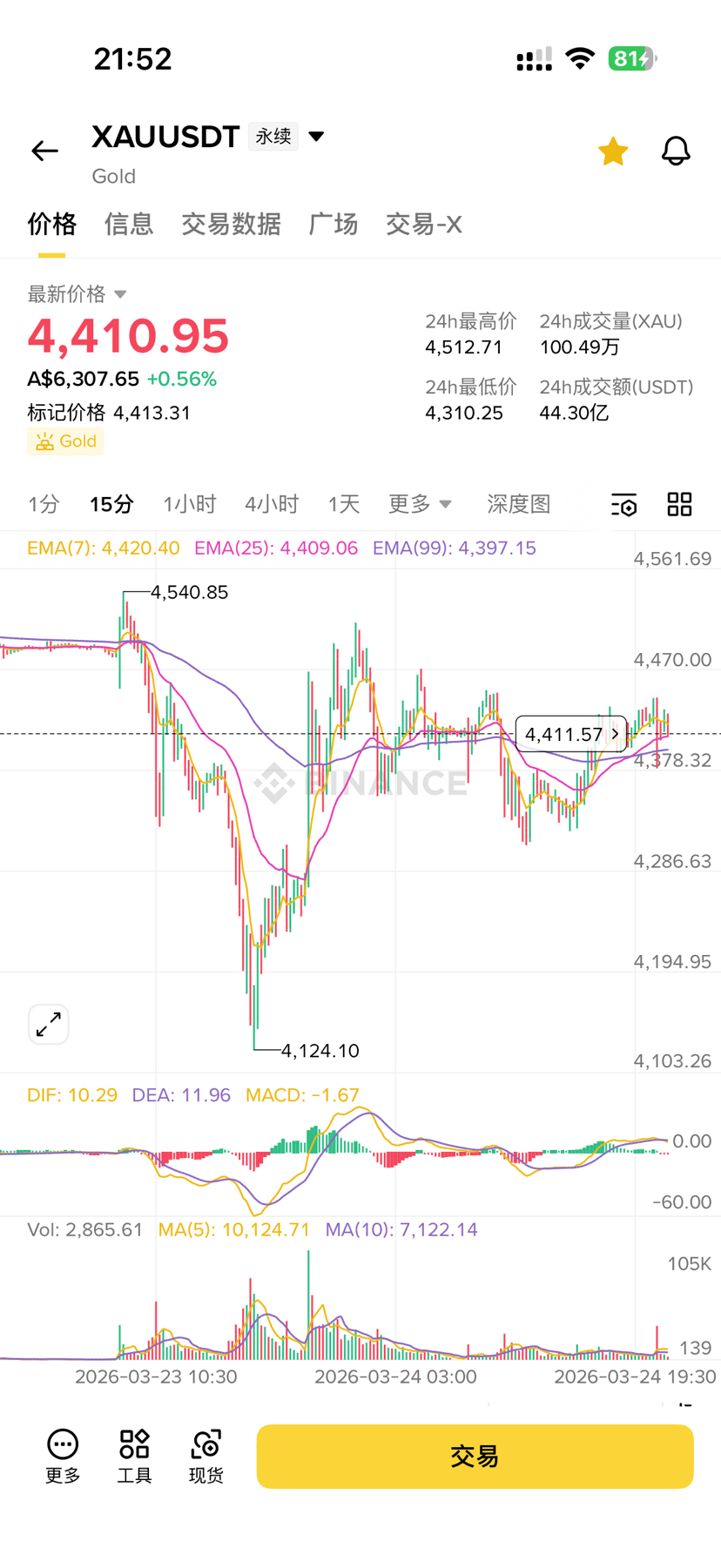
After calming down, I suddenly realized a more terrifying problem: the current information environment is no longer simply about distinguishing truth from falsehood, but can simultaneously have two sets of 'narratives that seem true.' Coupled with AI-generated content becoming increasingly realistic, whether it's video, images, or spoken text, all can be highly reproduced or even forged. The content you see may not necessarily be true, and your judgments may also be based solely on packaged information. In this situation, the so-called information advantage is rapidly disappearing, and ordinary people may not even have the ability to discern which are reliable sources of information.
It is precisely because of this matter that I began to seriously consider whether there is a way for information itself to carry credibility, rather than relying on personal judgment or market sentiment to guess. Later, I saw the direction that @SignOfficial was taking; its core logic is actually quite straightforward, which is to use a signature and credential mechanism to allow information to be verified for its source, rather than just staying at 'who said what.' If a piece of news can clearly prove who published it, whether it has been tampered with, and whether it has a credible source, then its value and weight will be completely different.
From this perspective, the future information world may gradually differentiate into two types: one type is messages without any verification, which anyone can publish, spreading quickly but with low credibility; the other type is messages with verification mechanisms, which can trace back to their source and confirm authenticity. Although the spread may be slower, they are more valuable. Personally, I have already begun to consciously distinguish between these two kinds of information; for those without any verification basis, I will actively lower the trust weight, rather than being swayed by emotions as I was before.
If verification mechanisms like Sign can be more widely applied, then many behaviors that rely on false messages and misleading content to influence the market will at least have their space significantly compressed. Not to mention, after experiencing this completely opposite information shock, my biggest feeling is that what truly matters in the future is not how much information you can see, but whether you can confirm whether this information is true or false. Only when the information itself has verifiability can the entire market's judgment logic become clear again! #Sign地缘政治基建 @SignOfficial $SIGN