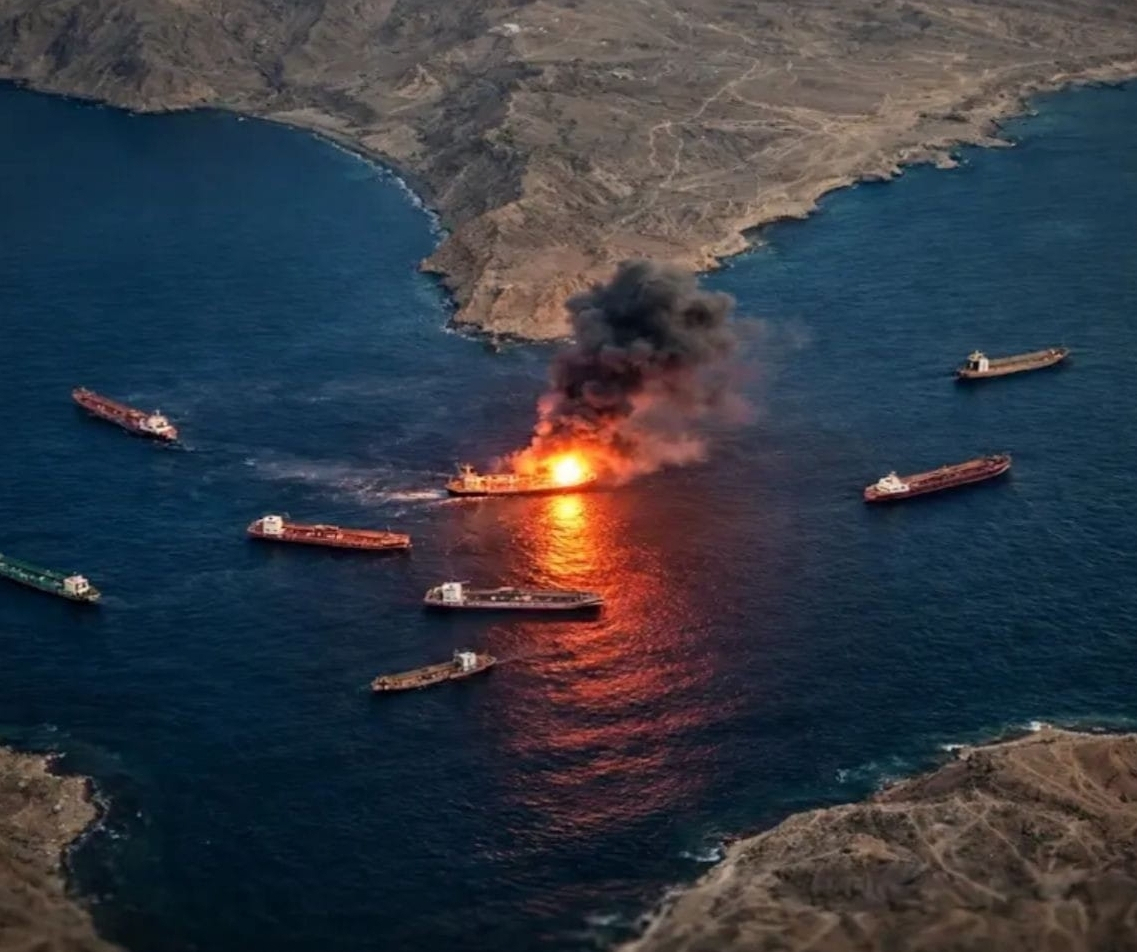
Strait of Hormuz Now Open ONLY to Select Nations. Global Oil Lifeline Rewritten Overnight.
In a move that has sent shockwaves through energy markets, Tehran has effectively taken full operational control of the Strait of Hormuz — the narrow chokepoint responsible for ~21% of global seaborne oil trade and ~20% of liquefied natural gas (LNG).
Countries granted safe passage right now:
✅ China
✅ India
✅ Pakistan
✅ Turkey
✅ Malaysia
✅ Iraq
✅ Bangladesh
✅ Sri Lanka
Vessels linked to the US, Israel, and their direct coalition partners? Blocked.
This is not a full closure — it’s far more sophisticated. Iran is selectively enforcing a “friends-first” doctrine amid its ongoing conflict with the US and Israel, rewarding nations that have stayed neutral or maintained economic ties while punishing those perceived as aggressors.
High-Level Geopolitical & Economic Analysis
Strategic Leverage at Its Peak
Iran sits literally on top of the world’s most critical energy artery. By keeping the strait “open but conditional,” Tehran avoids the legal and military backlash of a total blockade while still weaponizing supply flows. This is asymmetric warfare at its finest — maximum pressure with plausible deniability.
Oil Market Tsunami Incoming
With Gulf exports already curtailed and insurance premiums for tankers skyrocketing, Brent and WTI are primed for another violent leg higher. Analysts are already whispering $120–$150+/bbl scenarios if the selective policy hardens or escalates. Asian importers in the “allowed” list (China + India alone account for ~30% of global oil demand growth) just secured a massive competitive advantage over Europe and the US.
Winners & Losers Map
Winners: China & India lock in energy security at a time when the West scrambles. Pakistan and Turkey gain rare strategic goodwill. Malaysia, Bangladesh, Sri Lanka quietly secure vital fuel imports.
Losers: Western economies face renewed inflation spikes, higher fuel costs, and potential recessionary pressure. European and Japanese refiners are already rerouting — at enormous extra cost.
Crypto & Macro Ripple Effects (The Binance Square Angle)
This is textbook geopolitical risk premium injection.
Expect heightened volatility across BTC, ETH, and the entire market — uncertainty = flight to hard assets.
BTC as hedge narrative strengthens — oil shock = inflation shock = fiat debasement acceleration.
Energy-themed tokens, commodity-backed projects, and even certain DeFi oil derivatives could see explosive interest.
Correlation with gold and oil will spike; risk-off moves in equities could drag altcoins short-term while BTC holds as the ultimate neutral store of value.
History shows: every major Hormuz tension episode (2019 tanker attacks, 2022–23 escalations) triggered 10–25% BTC rallies within weeks as capital fled traditional markets. This one has higher stakes.
Bottom line: Iran just redrew the global energy map without firing a single extra missile. This isn’t random — it’s calibrated statecraft designed to fracture Western unity while protecting its own economic lifelines.
The next 48–72 hours will be decisive. Will the US/Israel push back militarily? Will “friendly” nations quietly expand their shipping? Will oil hit triple digits?
Drop your hottest take below 👇
Bullish or bearish on BTC this week?
Which alts benefit most from an oil supercycle?
#US5DayHalt #CZCallsBitcoinAHardAsset #DadaNews_crypto_ #Btc #Write2Earn