
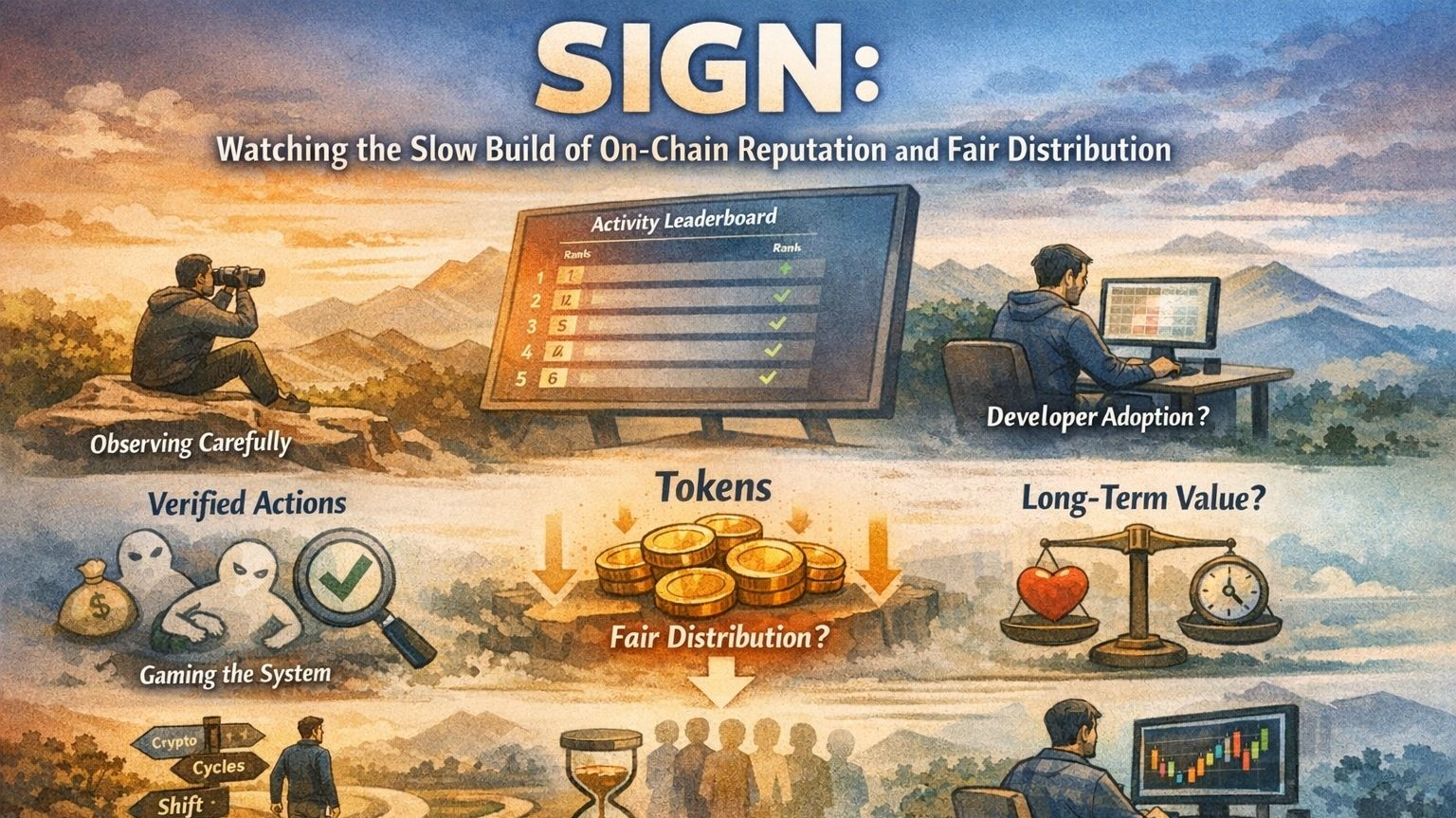
I’ve been in this space long enough that when I see a project like SIGN, I don’t immediately get excited or dismiss it. It’s more like a quiet pause, where I start connecting it to things I’ve seen before and try to understand what’s actually different this time.
The whole idea behind SIGN, especially with this Leaderboard Campaign, feels like an attempt to bring some order into a part of crypto that’s always been messy. Identity, reputation, rewards, these things have never really been solved properly. I’ve seen airdrops reward the wrong people, I’ve seen real users get left out, and I’ve seen systems get farmed so hard that the original purpose just disappears. So when I look at SIGN trying to tie actions, verification, and token distribution together, I can see what they’re aiming for.
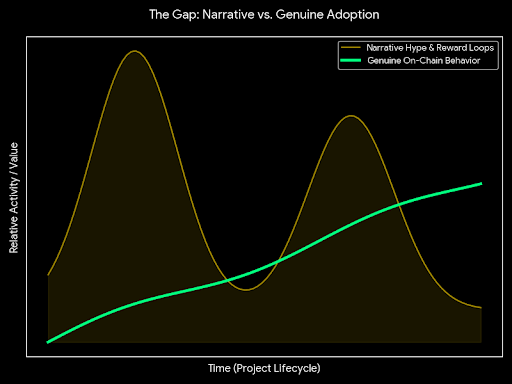
What caught my attention is how it tracks behavior and turns it into something visible. The leaderboard makes everything feel a bit more real, almost like your activity actually counts for something over time. But at the same time, I’ve seen how leaderboards change people. The moment you introduce rankings, people stop acting naturally. They start chasing position. It becomes less about using something because it’s useful, and more about using it because it helps you climb.
I’ve seen that pattern repeat so many times. Early activity looks strong, numbers go up, engagement feels real on the surface. But underneath, a lot of it is driven by incentives. And once those incentives slow down, things can get quiet very quickly. That’s something I always keep in mind when I look at campaigns like this.
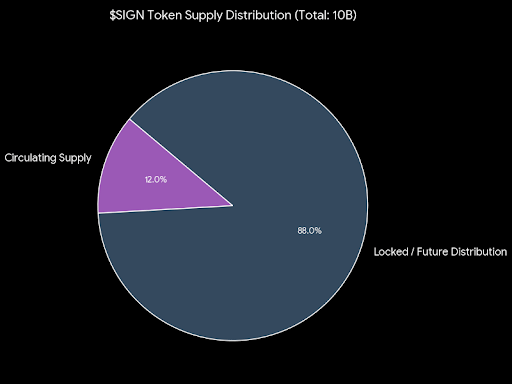
Still, I don’t think it’s fair to ignore what SIGN is trying to do. Distribution in crypto has always been a weak point. It’s either too centralized, too random, or too easy to exploit. Trying to reward users based on verified actions makes sense. At least in theory, it sounds like a step toward something more balanced.
But theory and reality are two different things here. I’ve seen how creative people can get when there’s money involved. If there’s a system, someone will figure out how to game it. That’s not even criticism, it’s just how this space works. So the real test for SIGN won’t be how it looks right now, but how it performs when people start pushing its limits.
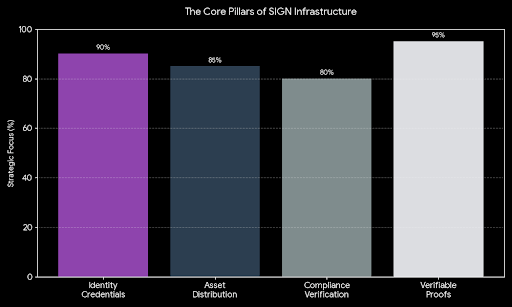
Another thing I keep thinking about is whether people will actually care about these credentials long-term. Right now, attention comes from the campaign itself. But what happens later? Will users still interact with it when there’s no clear reward? From what I’ve seen over the years, most people don’t stick around for reputation alone. There has to be a deeper reason.
And then there’s the developer side, which is often overlooked. For something like SIGN to really matter, it has to be used beyond its own platform. Builders need to see value in it, integrate it, and make it part of their own apps. Without that, it risks becoming just another isolated system that people visit for a while and then move on from.
I also can’t ignore how quickly attention shifts in crypto. Today it’s one project, tomorrow it’s another. Campaigns can bring people in fast, but keeping them is a completely different challenge. I’ve seen projects with strong starts slowly fade just because they couldn’t hold that attention once the initial push was over.
When I look at SIGN overall, it doesn’t feel like something completely new, but it doesn’t feel outdated either. It feels like an evolution, something built on lessons from previous attempts. That doesn’t guarantee success, but it does make it a bit more interesting to watch.
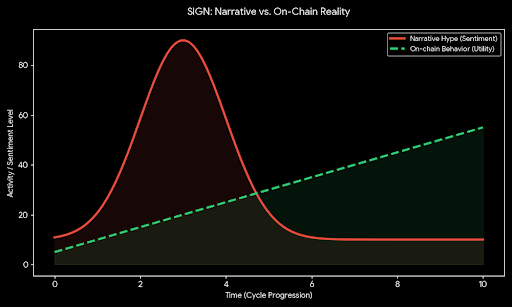
So for now, I’m not jumping to conclusions. I’m just observing. I want to see how real users behave when the hype cools down, how the system handles pressure, and whether it can stay relevant without constant incentives driving it.
That’s usually when the real story shows itself, not in the beginning, but in what happens after people stop paying attention.