
In March 2026, a neglected trend in the crypto industry is taking shape— the deep integration of Web3 with national strategies. Financial Tech Times reports that @Sign is becoming the infrastructure layer of national digital systems, laying the foundation for sovereign blockchain infrastructure integration in 2025 and entering large-scale deployment in 2026.
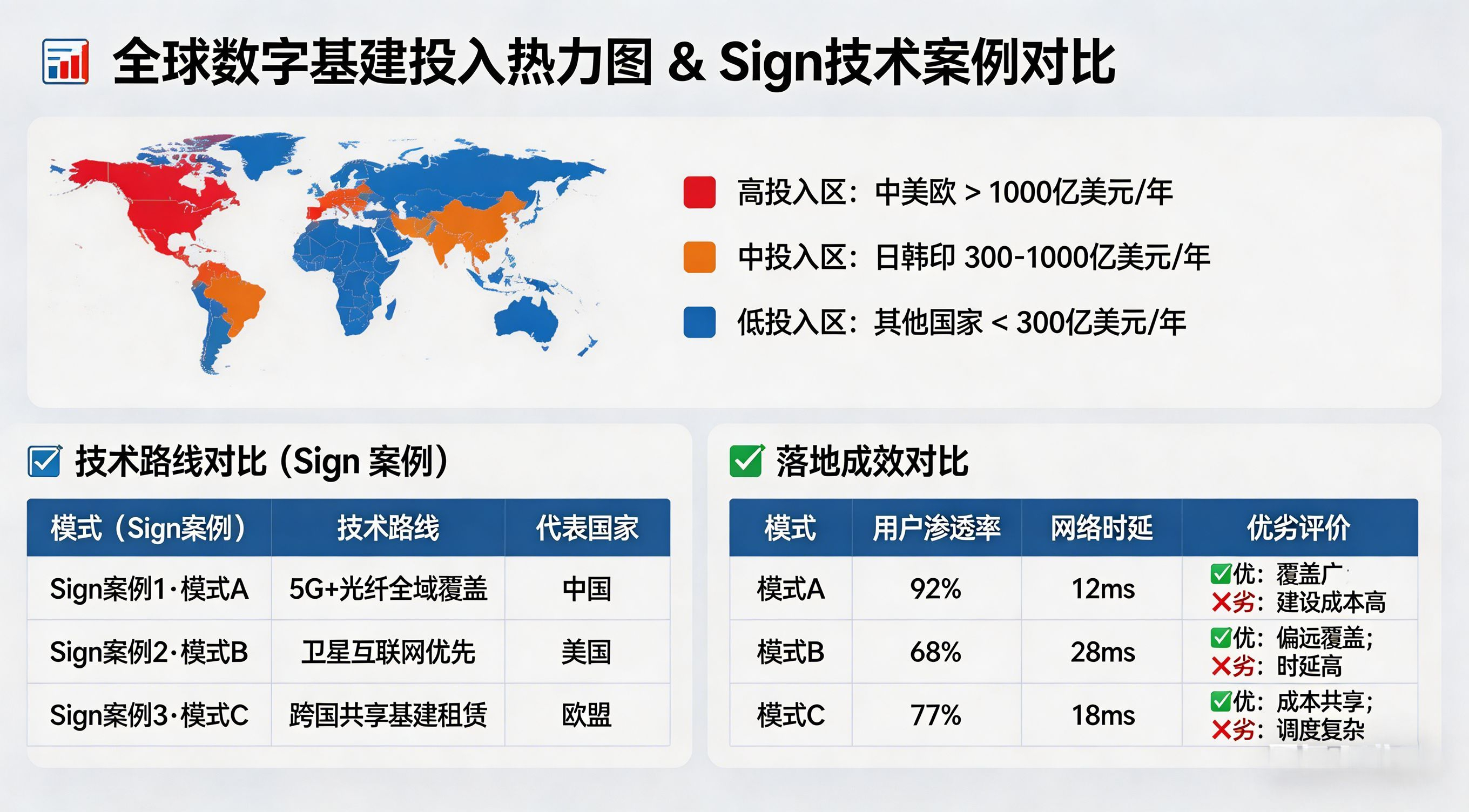
This positioning allows the project's valuation logic to move away from pure crypto Beta, gaining favor from sovereign capital. Only those projects that can balance openness and control have the opportunity to secure institutional and national capital entry tickets.
The real path from pilot to commercial use
KuCoin Analysis @Sign is entering real-world infrastructure, helping governments and institutions to massively verify credentials, records, and trust. This is not a proof of concept, but a production environment deployment.
In the Kyrgyzstan project, the @Sign system took less than 5 months from signing the agreement in October 2025 to running in the production environment in 2026. This delivery speed is extremely rare among sovereign-level projects. A technician involved in the deployment revealed that what government clients value is auditability and long-term support, rather than experimental solutions.
This reminds industry observers of another recent signal. On March 24, 2026, the Hong Kong Monetary Authority officially issued the first batch of licenses for stablecoin issuers. This day was awaited by the encryption industry for three years. Almost simultaneously, several sovereign-level blockchain projects announced their entry into the large-scale deployment phase.
Is the integration of Web3 and national strategy sustainable?
Some analysts privately predict that this trend of integration will last at least 5-10 years. The reason is simple—digital transformation is not an option, but a must-answer question. Global sovereign cloud IaaS spending is expected to reach $80 billion in 2026, with an annual growth rate of 35.6%. This money needs to flow to infrastructure that can provide verifiable credential layers.
The market size for RWA tokenization will exceed $25 billion in 2026, an increase of nearly four times compared to about $6.4 billion a year ago. Forbes points out that 2026 is the first credible year for RWA tokenization, with the three conditions of MiCA implementation, mature infrastructure, and improved institutional channels all in place.
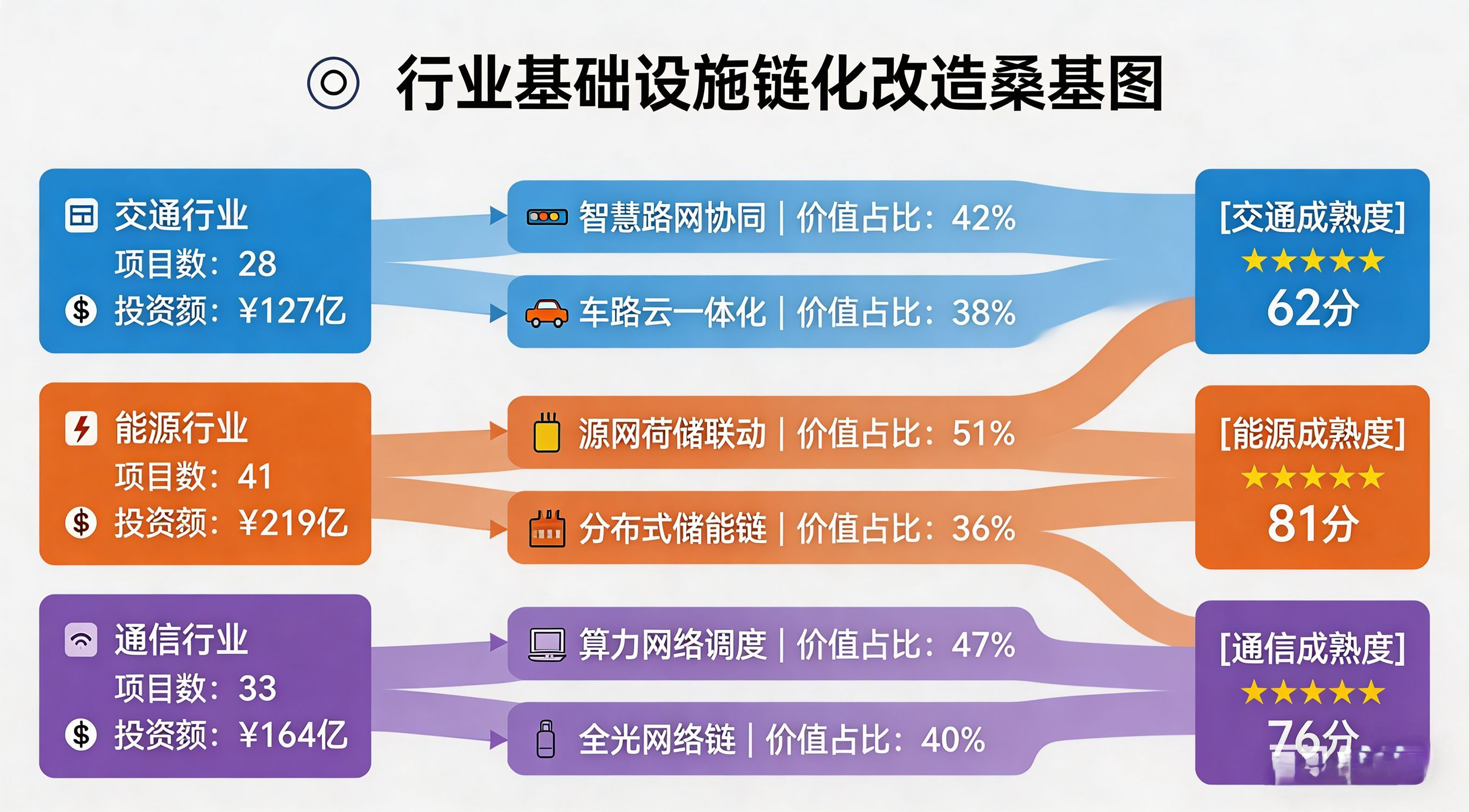
Tracked projects from pilot to commercial use
In the history of the encryption industry, there are very few projects that have successfully transitioned from pilot to commercial use. An investor who has tracked multiple sovereign blockchain projects revealed that they evaluated 17 projects, and only 3 ultimately entered production. @Sign is one of them.
Compared to those projects that remain at the white paper stage, projects with real deployments have stronger risk resistance. With geopolitical risks escalating and regulations tightening in 2026, only those that can provide services, generate revenue, and pass audits will survive this cycle.
The watershed moment of 2026
In 2026, sovereign digitization will move from announcements to actual system operations. Those projects still discussing technical narratives may find themselves unable to access mainstream liquidity. The sovereign narrative of @Sign has a low correlation with the broader market; compared to pure DeFi protocols, this independence is exactly the quality that institutional funds value most.
A technician who participated in government bidding revealed that they evaluated seven plans, and the ones ultimately selected were those that could provide "verifiable credential layers" of infrastructure. This B2G track has long contract cycles and strong stability, almost decoupled from fluctuations in the secondary market.
Conclusion
The encryption industry has been shouting "decentralization" for so many years, but those truly accepted by sovereign nations are often the infrastructures willing to compromise and willing to design redundancies. The path of @Sign does not promise wealth, but promises to still verify identities, trace assets, and execute signatures in extreme situations.
When Web3 merges with national strategy and becomes the norm, and when sovereign digitization moves from announcements to actual system operations, the coming of age for the encryption industry may truly arrive. Some games have never been on the K-line, but in the government contracts signed and in the real operations of production environments.
