
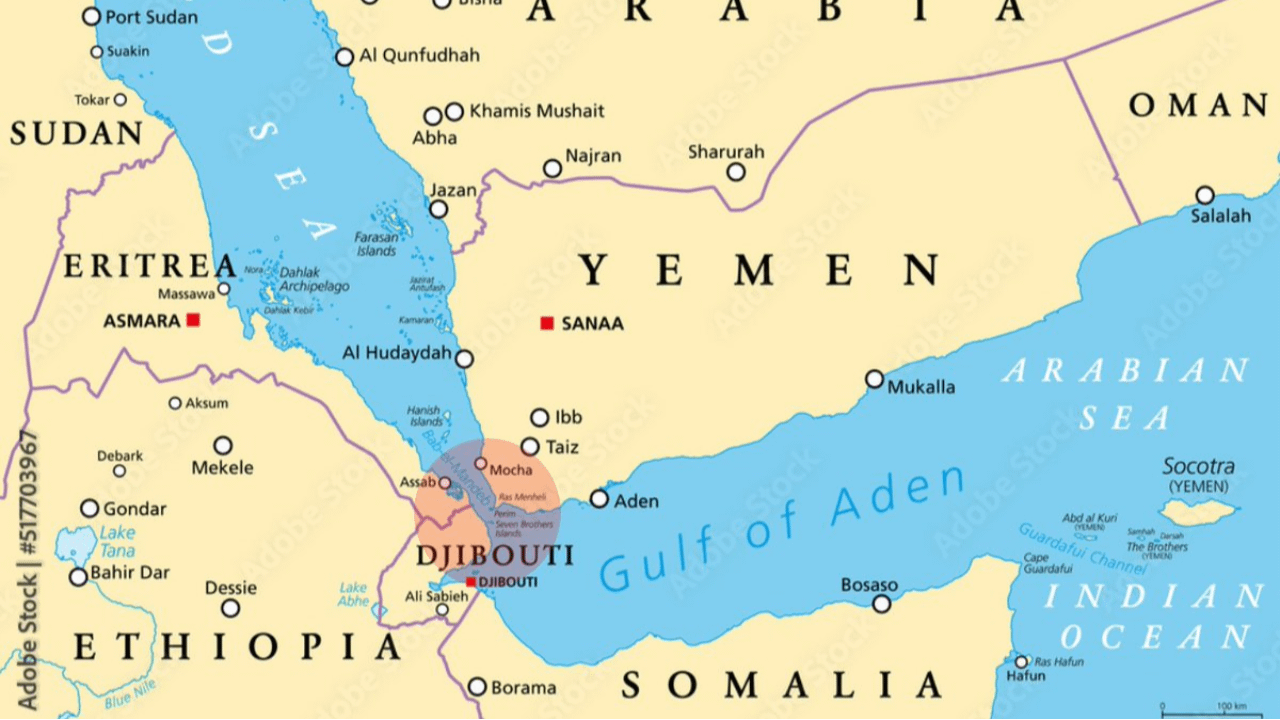
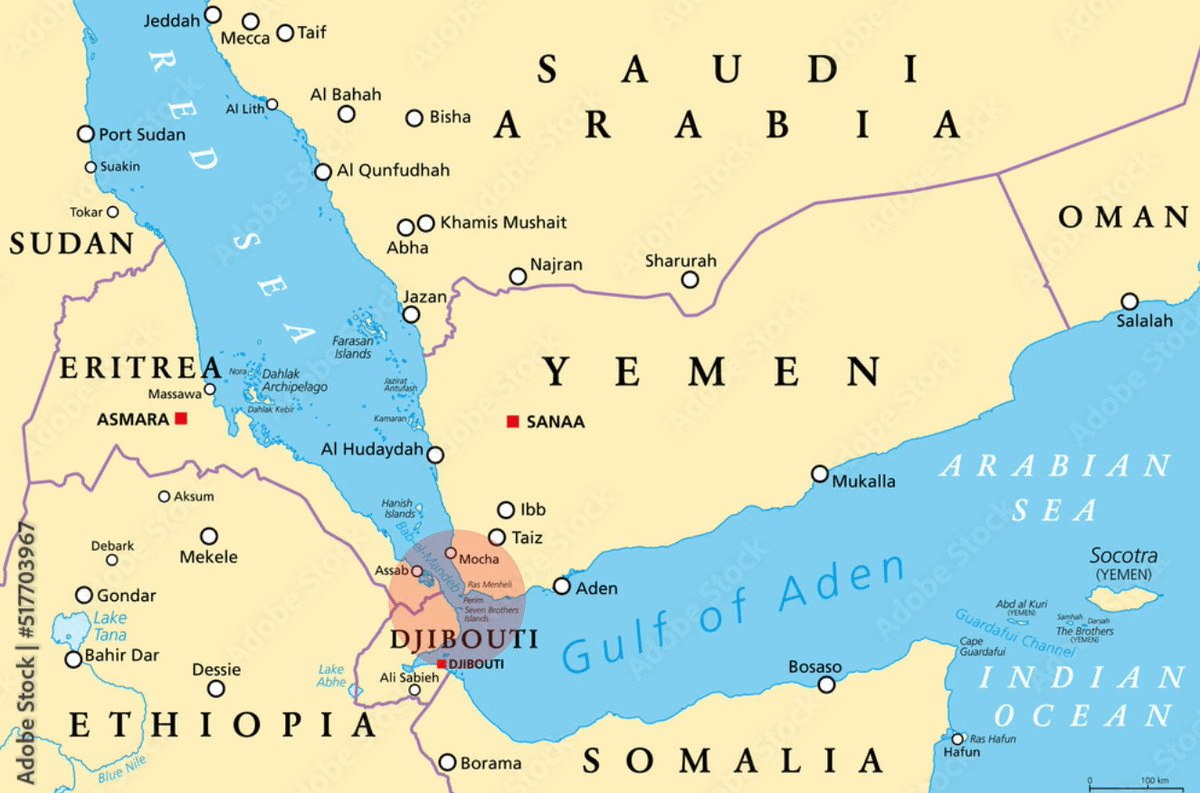
The Houthis have publicly announced the completion of military preparations and may launch strikes or implement blockades on the Bab-el-Mandeb Strait at any time to show support for Iran.
Looking back at 2023-2025, the Houthis have attacked hundreds of merchant ships using drones, missiles, and speedboats, directly causing a 90% drop in shipping volume in the Red Sea. Major global shipping companies were forced to reroute around the Cape of Good Hope in Africa, extending travel times by two weeks and significantly increasing freight, fuel, and insurance costs.
And this time, the impact goes far beyond emotional shocks; it directly cuts off a key alternative export route for Middle Eastern crude oil: originally, under the ongoing tension in the Strait of Hormuz, Saudi Arabia and some Gulf countries could still transport crude oil to Red Sea ports through east-west pipelines to avoid the risks of Hormuz. Once the Houthis block the Bab-el-Mandeb Strait, this alternative route will also become ineffective. Market concerns will escalate from 'increased costs for tankers to take detours' to whether Middle Eastern crude can be supplied normally to Europe and Asia, and the geopolitical risk premium on oil prices will continue to rise, potentially evolving into a substantial supply shock.
Oil prices continue to rise, which will directly drive up inflation in the United States: gasoline and diesel prices are increasing, which will in turn affect the entire industry chain including transportation, aviation, chemicals, agriculture, and food, leading to a resurgence in inflation expectations.
The longer oil prices remain high, the smaller the space for the Federal Reserve to cut interest rates, and market concerns about repeated inflation will rise again. Currently, the probability of the Federal Reserve raising interest rates again in 2026 has significantly increased — this is the real core pressure on the U.S. stock market and Bitcoin.