
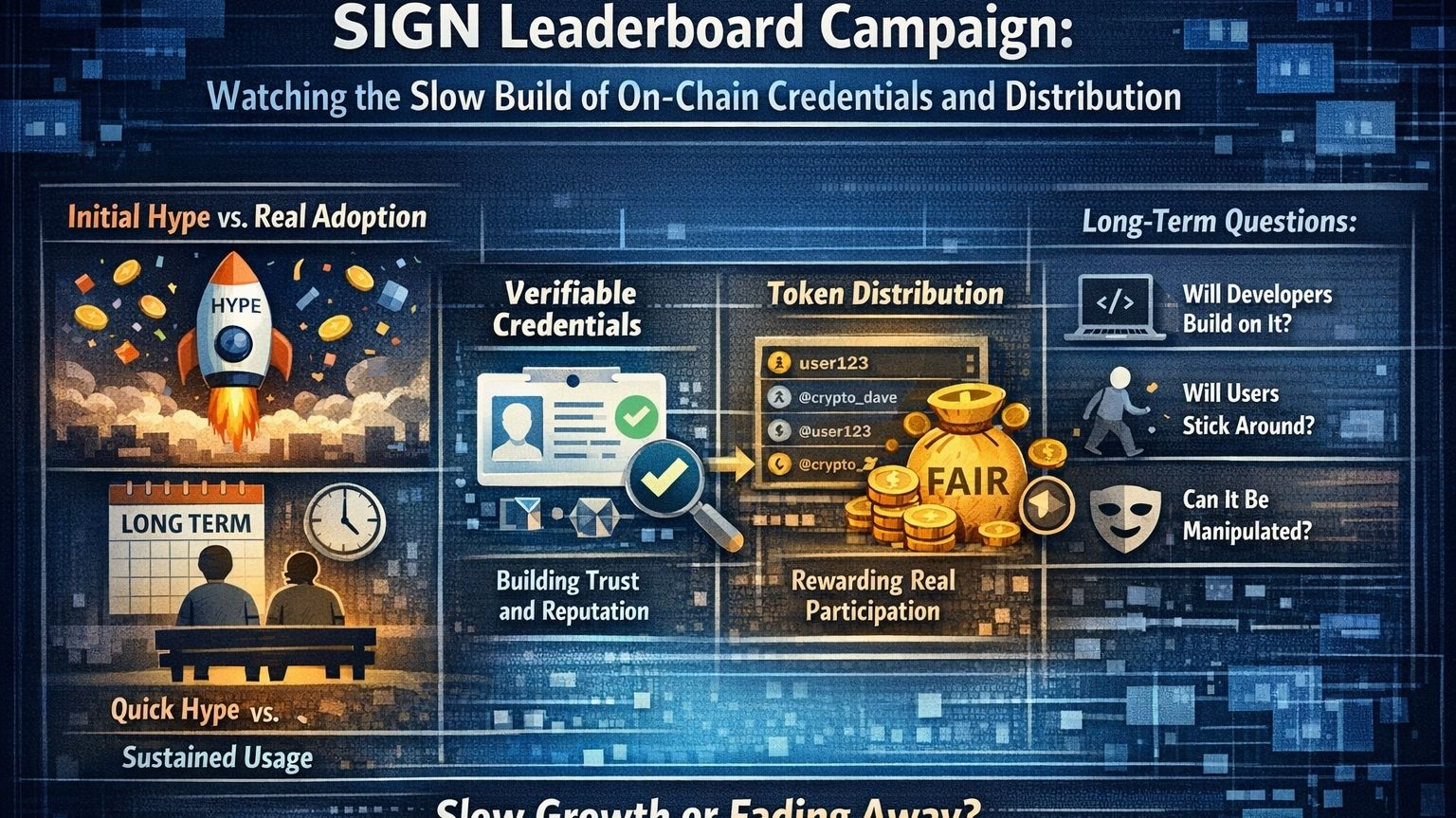
I’ve been in this space long enough to recognize a certain pattern. Every time a project starts talking about identity, credentials, or fixing how tokens get distributed, it sounds important. And honestly, it usually is. But I’ve also seen how often those ideas don’t fully translate into real usage once people actually start interacting with them.
So when I came across SIGN and its Leaderboard Campaign, I didn’t react with excitement or skepticism right away. It felt more like one of those moments where you pause and just watch closely. I’ve learned that first impressions in crypto don’t mean much. It’s what happens after the initial attention that tells the real story.
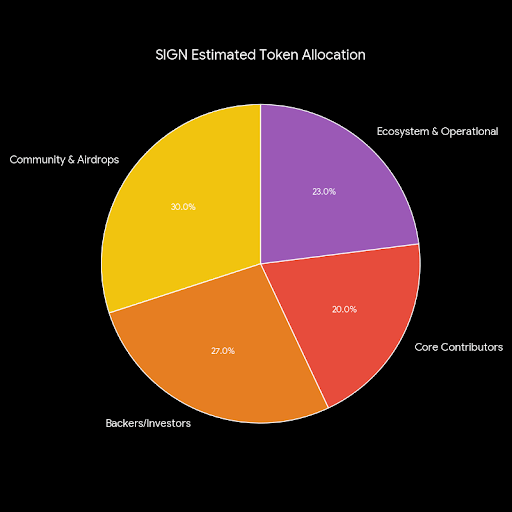
What caught my attention is how SIGN is trying to position itself. It’s not acting like a typical app or a one-time campaign. It’s trying to become something deeper, more like a foundation that other projects can build on. I’ve seen this approach before, and it’s never the easy route. You don’t get quick wins by being infrastructure. If it works, it usually happens quietly over time, almost in the background.
The idea of credentials isn’t new to me. I’ve seen different versions of it over the years. NFTs as identity, reputation systems, proof of participation, all of it. The problem was never creating those credentials. The real issue was that they didn’t carry weight outside their own ecosystem. They existed, but they didn’t really matter anywhere else.
That’s where SIGN feels slightly different, at least in direction. It looks like it’s trying to make those credentials more usable across different platforms. That’s a big challenge. It’s one thing to build a system, but it’s another to make others actually rely on it. That depends on developers, integrations, and whether it solves a real problem for them.
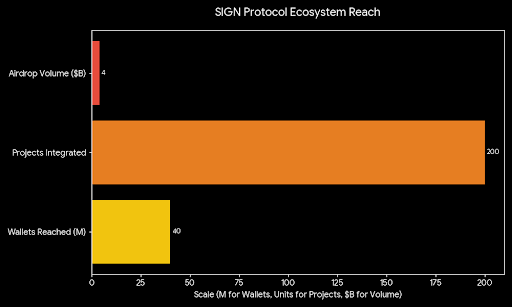
The Leaderboard Campaign is something I looked at twice. I’ve seen so many leaderboards in crypto, and most of them follow the same cycle. People join, complete tasks, collect points, and wait for rewards. Then they move on. It’s a short-term loop. But here, I noticed an attempt to connect those actions to something more lasting, like building a track record instead of just collecting points.
If that idea holds, it could slowly shift how people behave. Instead of just farming rewards, users might start thinking about their on-chain presence in a more long-term way. But I also know how this space works. Incentives drive behavior, especially in the early stages. Changing that mindset takes time, and sometimes it doesn’t happen at all.
Token distribution is another part that made me think. I’ve seen so many projects talk about fairness, but when you look closely, it often ends up favoring early insiders or short-term participants. SIGN seems to be trying to reward actual activity and contribution, which sounds better in theory. The real question is whether it can actually tell the difference between genuine users and people just gaming the system.
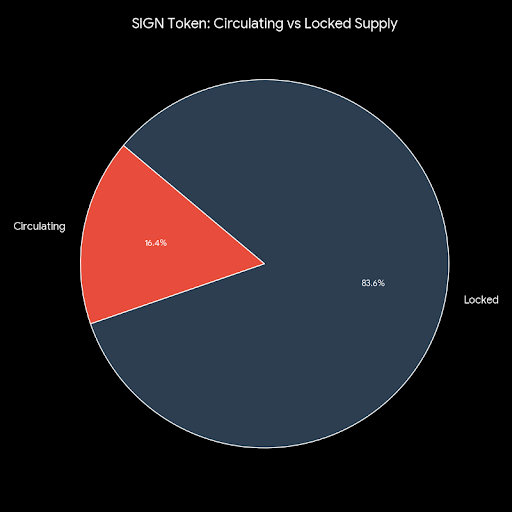
I’ve also noticed a broader shift happening. A few years ago, identity in crypto was almost avoided because people didn’t want anything that felt too centralized. But now, as the space grows, there’s a quiet need for some kind of reputation. Not something that removes privacy, but something that adds context to user behavior. That’s where projects like SIGN start to feel more relevant.
Still, I can’t ignore how difficult it is to build something that others depend on. I’ve seen strong ideas fail simply because they couldn’t attract enough developers or integrations. Infrastructure only works when it becomes useful to others, not just when it exists.
There’s also the question of attention. Campaigns can bring people in, but they don’t guarantee they’ll stay. I’ve seen how quickly users move on once rewards slow down. If the credentials from SIGN don’t unlock real value beyond the campaign, then it risks becoming just another temporary experience.
Another thing I keep in mind is how systems like this handle pressure. I’ve seen many verification models that looked solid in the beginning but eventually got exploited. If people can easily fake or farm credentials, the whole idea loses meaning. Building something that holds up over time is always harder than launching it.
When I step back and look at everything, SIGN feels like it’s trying to connect two important pieces, identity and distribution, into one system. That’s not simple, and it adds a layer of complexity. Sometimes that complexity slows things down, especially if it’s not easy for users or developers to work with.
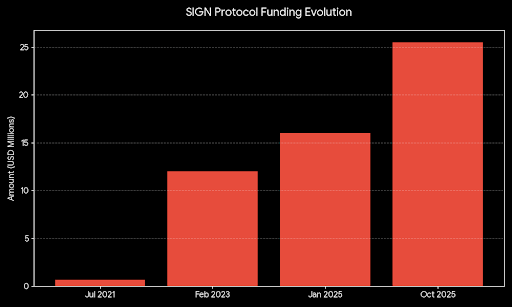
Right now, it doesn’t feel like something that will suddenly take off. It feels more like a slow process, something that needs time to either grow into something meaningful or quietly fade if it can’t gain enough traction. I’ve seen both out comes before, and it’s never obvious in the beginning.
So I’m just watching it for now. The idea makes sense, and it fits into where things seem to be heading, but that’s only part of the story. What really matters is what happens after the early phase, when the rewards settle down and real usage begins. That’s usually the point where things either become real or start to disappear.