
TODO DEBERA ADAPTARSE: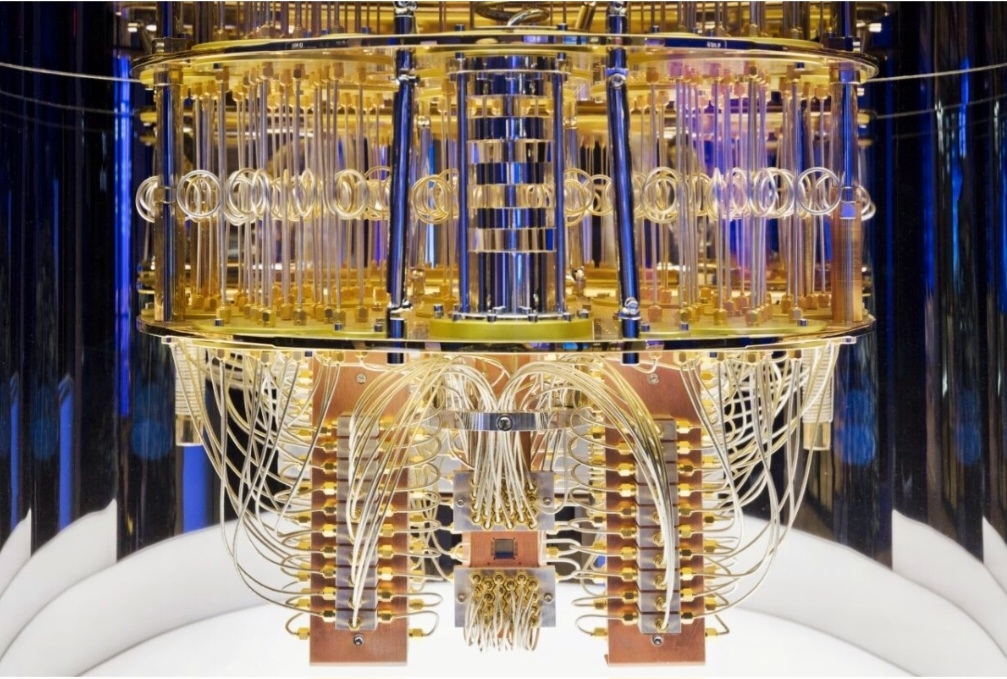 $BTC $ETH $BNB Argentina enters the quantum era from public university
The National University of Hurlingham presented the first quantum computer of the university system betting on training and strategic scientific development.
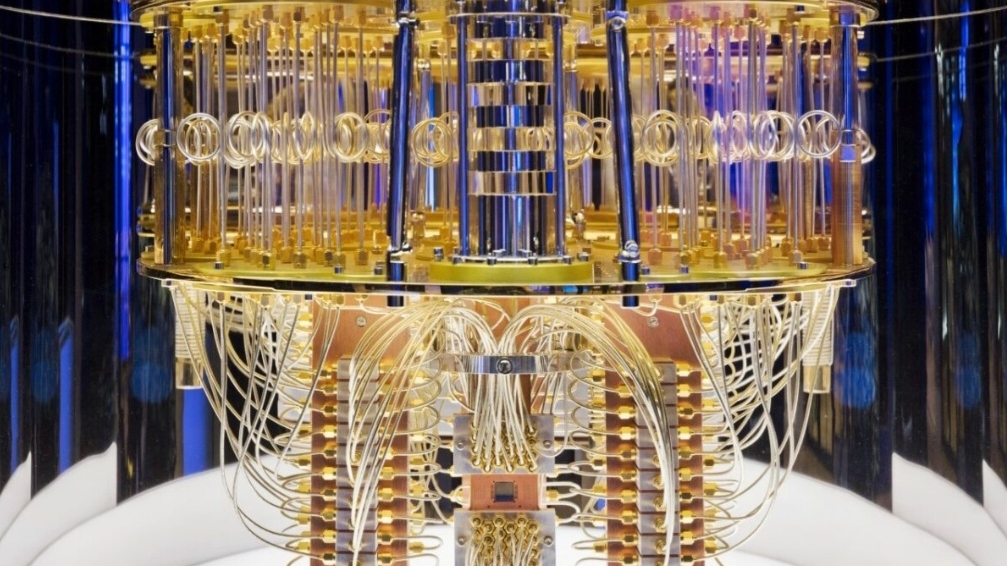
The National University of Hurlingham (UNAHUR) took a historic step for science and higher education in Argentina by incorporating the first quantum computer of the public university system. The equipment will be available to the entire national academic community with the aim of promoting research, training of human resources, and the development of new capabilities in quantum technologies, a key area for the scientific and productive future of the country.
The initiative also includes the creation of a specialized postgraduate program that will include a master's degree in quantum technologies. In this framework, UNAHUR signed cooperation agreements with universities and scientific institutions across the country, including UBA, UNLP, UNC, UNSAM, UNQ, and the National University of Río Negro, along with the Scientific Research Commission and the Argentine Physics Association, in order to share resources, train researchers, and advance collaboratively in this strategic field.
Argentina enters the quantum era from the public university
The rector of UNAHUR, Jaime Perczyk, highlighted that the incorporation of this equipment "is a strategic investment to strengthen the education of students, teachers, and researchers of the entire Argentine university system" and emphasized that the university "continues to grow, investing in knowledge and training professionals for the challenges posed by the future." The quantum computer is complemented by the hiring of a cloud service from Amazon that allows access to larger-scale quantum equipment located in different parts of the world.
Argentina enters the quantum era from the public university
Unlike traditional computers, which use bits, quantum computing is based on qubits capable of operating in superposition and entanglement, enabling the execution of enormous amounts of calculations in parallel. This technology promises high-impact applications in areas such as cryptography, optimization of complex systems, and the development of new materials and medications through high-precision molecular simulations, with profound economic and social implications.