
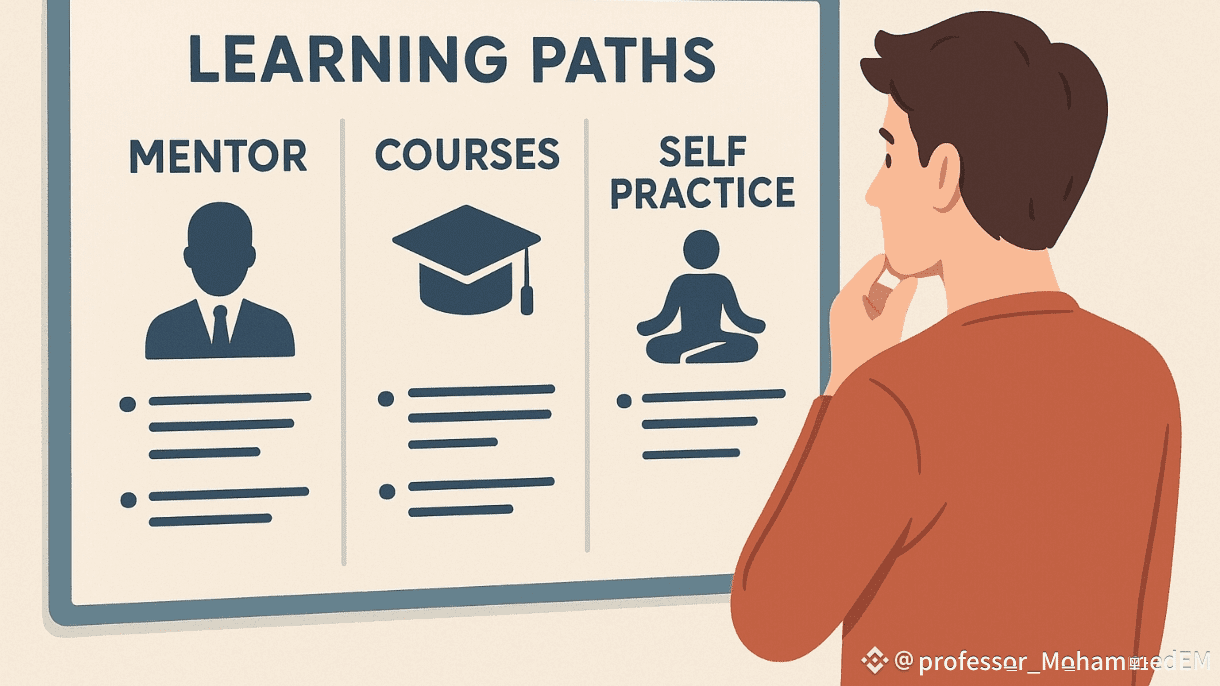
If you started learning to trade, you may have realized that there are millions of ways to learn it.
You can read books, take online courses, or even hire a personal coach to guide you.
All these means are useful, but what works for others may not necessarily work for you.
Trading is not a ready-made skill or a one-size-fits-all template; it is a mix of mindset, strategy, and experience.
And your way of learning each aspect of these areas entirely depends on your personality and your approach to risk.
---
🔹 Everyone has a different learning style
Every trader has their own learning style.
Some rely on price action (Price Action),
Some focus on supply and demand (Supply & Demand),
and others use technical indicators or support and resistance zones.
All of that is true as long as it brings you profits 💰.
The real secret is to find the learning method that suits you and aligns with your thinking style and mental comfort.
---
🔹 Trading is you against yourself
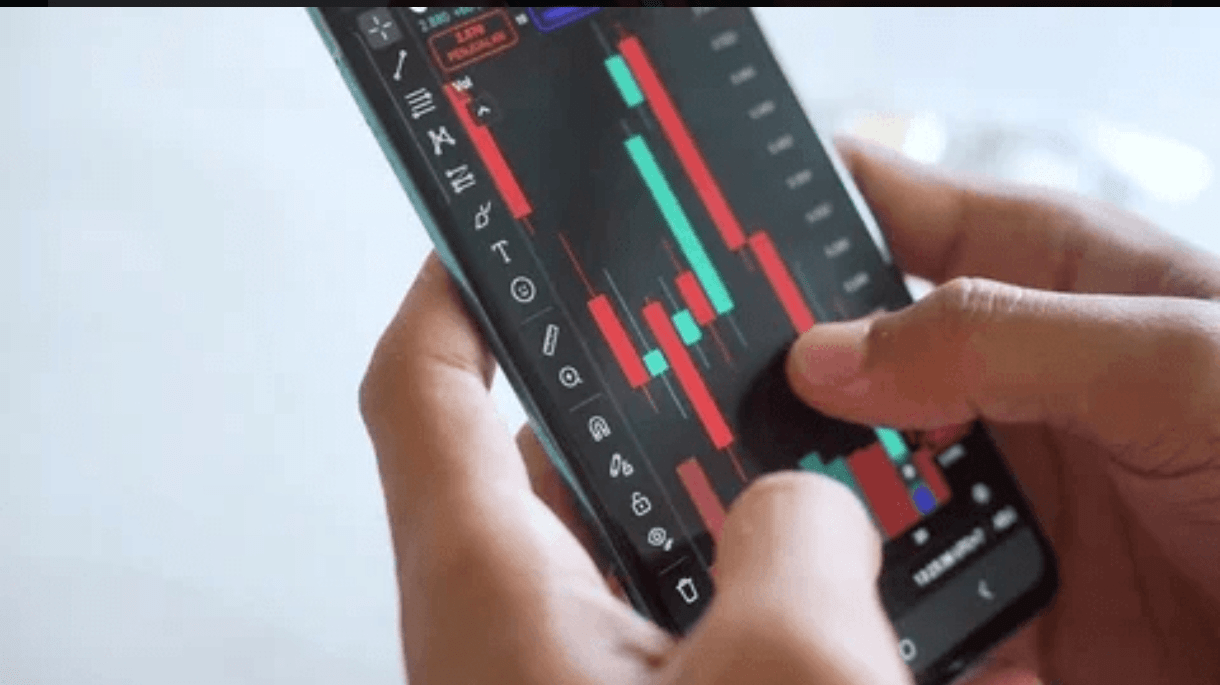
Trading is very personal.
You alone press the “Buy” or “Sell” button —
Not the teacher, nor your favorite YouTuber, nor any influencer you follow.
The coach may give you the map, but you choose the path.
The course may teach you concepts, but curiosity, discipline, and self-reflection are what turn knowledge into real progress.
And here comes the role of your daily trading journal — your secret weapon.
✍️ “Your journal is a mirror of your mind.”
By recording your trades, feelings, and thoughts, you start to discover your personal patterns:
What causes your mistakes?
What drives you to make your best decisions?
And how does your mental state change over time?
This self-awareness is what makes you evolve faster than most traders.
---
🔹 How do you find what suits you?
Learn as an investor learns.
Treat your learning process like you treat your capital — a limited investment of time, money, and mental energy.
Spend it only in places that provide you with a real return.
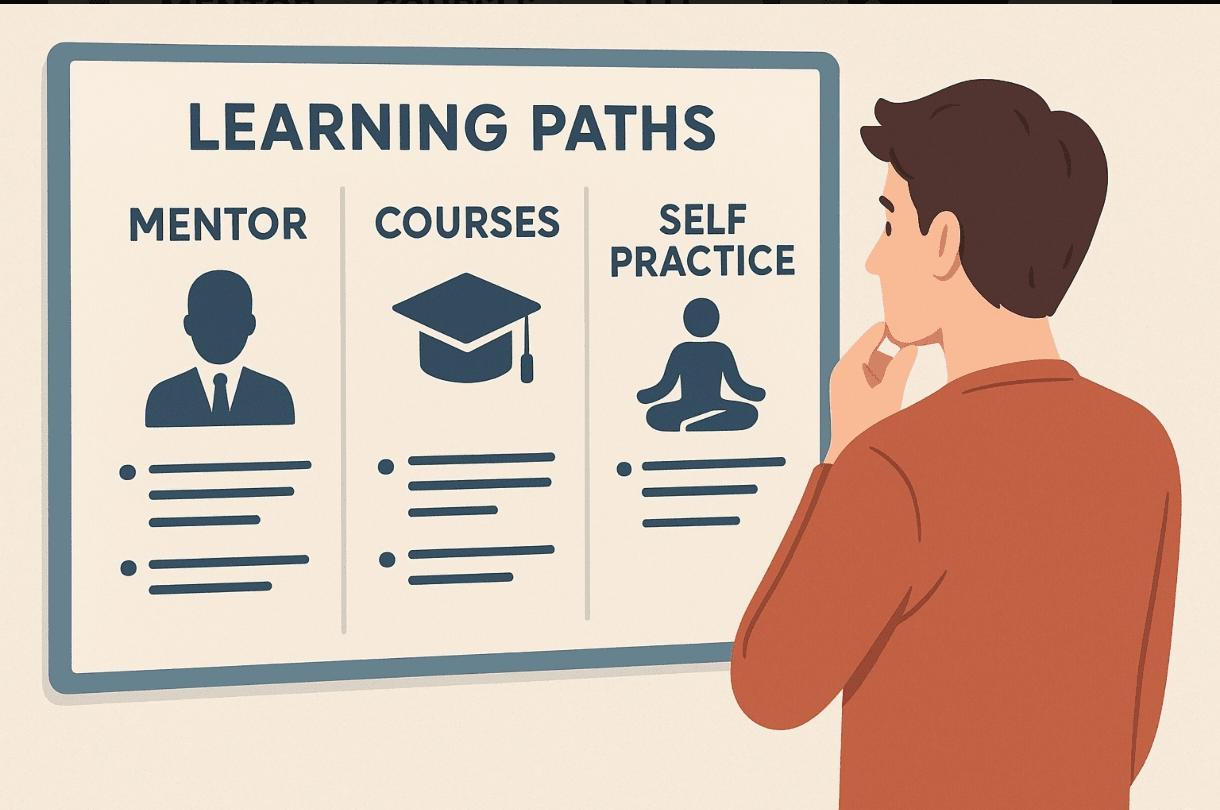
If you like order and clarity, join organized courses or read detailed guides.
And if you learn by asking questions and interacting, seek a coach or a small trading group.
But in any case, don't stop writing your notes in the trading journal.
It is the bridge between learning and application.
🎯 The goal is not to do everything, but to focus on what truly helps you understand knowledge and use it when needed.
---
🔹 Your greatest asset is knowing yourself
In the end, the best teacher in trading is you.
Books, mentors, and courses can point the way,
But only you decide what to keep and what to ignore.
Listen to your learning style.
Respect your own pace.
Take notes, stay curious, and let your trading journal guide your development.
> 💎 Because in the world of trading, the biggest advantage you have is not a "secret strategy" — but knowing what suits you personally.