

BitMine is drawing fresh attention after adding another 40,000 ETH to its treasury, a move that is fueling comparisons to Michael Saylor’s long-term Bitcoin strategy. While Ethereum and the wider crypto market continue to face pressure, the company appears to be using weakness as an opportunity to build a larger position rather than waiting for sentiment to improve.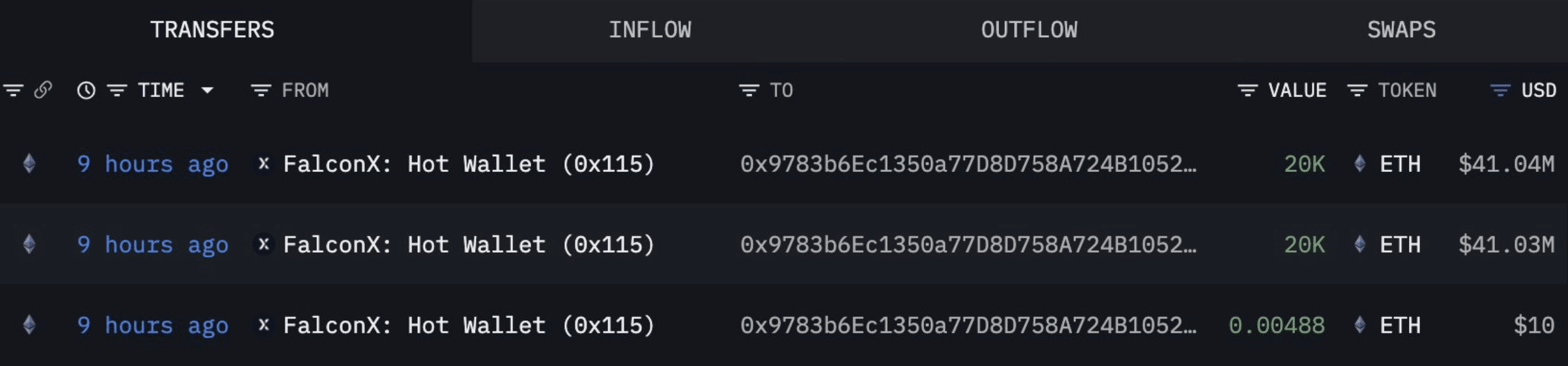
Recent on-chain reports suggest BitMine acquired the new ETH through FalconX, a major institutional crypto brokerage platform, on April 4. The purchase was valued at roughly $82 million, making it one of the more notable treasury moves during a period when market sentiment remains fragile.
What makes the timing stand out is the broader mood across the crypto market. The Fear and Greed Index has remained in fear-driven territory for much of the period since mid-January, often slipping into extreme fear. In conditions like these, many investors stay cautious, but treasury-focused firms sometimes take the opposite view and accumulate assets when confidence is low.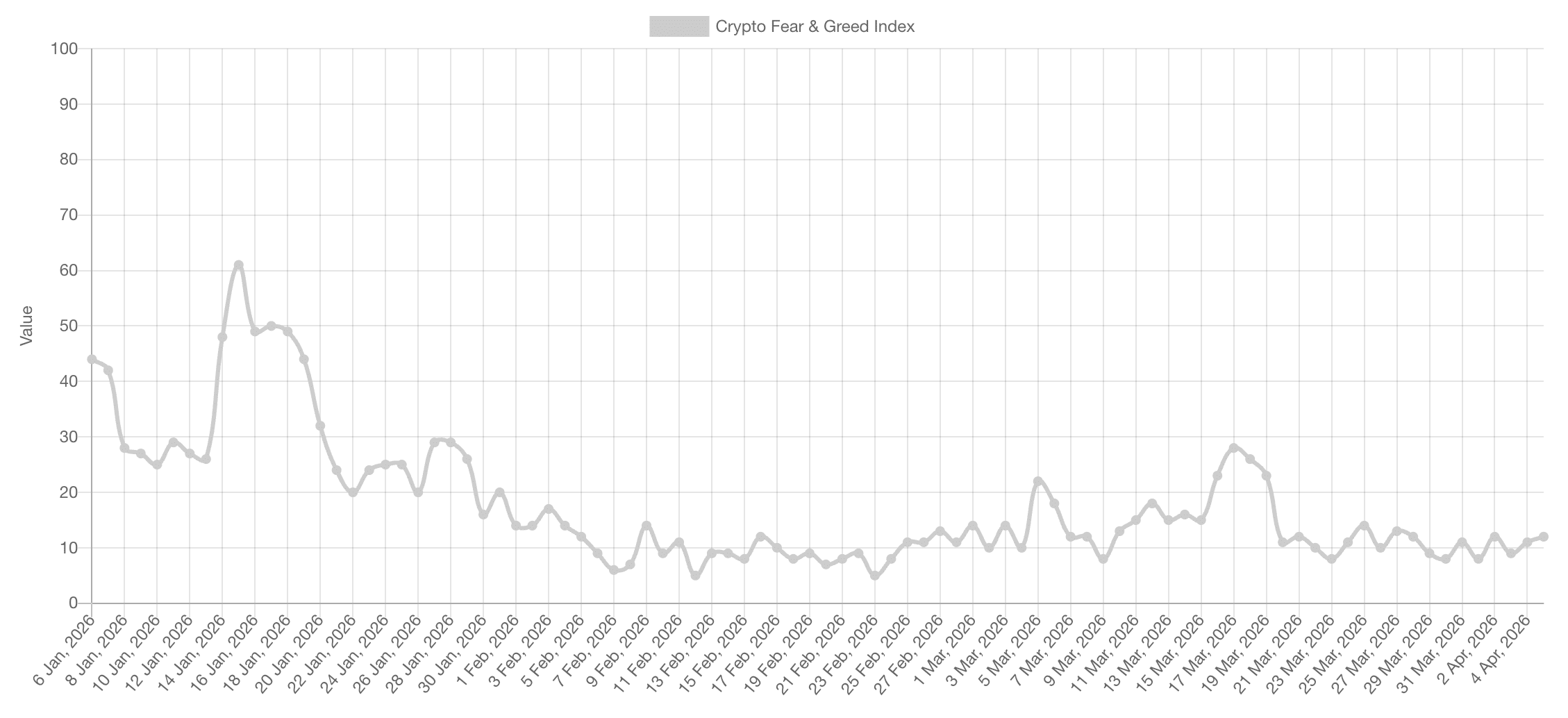
This approach has led many market watchers to compare BitMine’s strategy with the blueprint used by Michael Saylor and Strategy in the Bitcoin market. Saylor’s aggressive accumulation model has influenced a growing list of corporate treasury players, and BitMine now appears to be following a similar path for Ethereum by treating short-term volatility as secondary to long-term conviction.
After this latest purchase, BitMine’s Ethereum holdings reportedly rose to more than 4.7 million ETH, giving it one of the largest known ETH treasuries among corporate entities. Other major holders remain far behind, with firms such as SharpLink and The Ether Machine also holding significant positions, though still well below BitMine’s current scale. Altogether, Ethereum treasury entities now control several million ETH, showing that institutional balance sheet exposure to the asset continues to expand.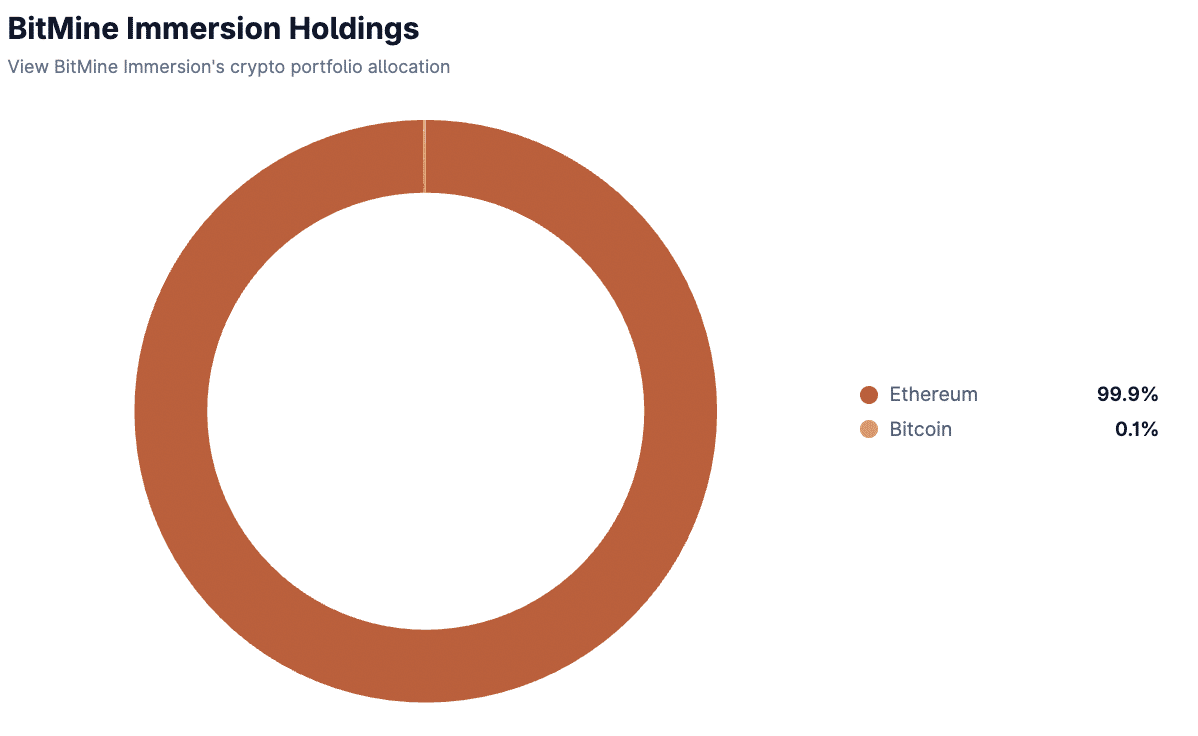
At the same time, Ethereum’s price action has remained under pressure. ETH recently traded near the $2,028 level after slipping over the past 24 hours, showing that accumulation by large firms has not yet translated into immediate upside for the token. Spot Ethereum ETFs have also seen outflows at the start of the new quarter, reflecting a cautious tone among some traditional investors.
Still, some on-chain indicators suggest the longer-term picture may be more constructive than price alone implies. Exchange flow data shows ETH continuing to move away from trading platforms, a pattern often interpreted as a sign of accumulation rather than preparation for selling. When coins leave exchanges during weak price conditions, it can indicate that investors are positioning for a longer holding period.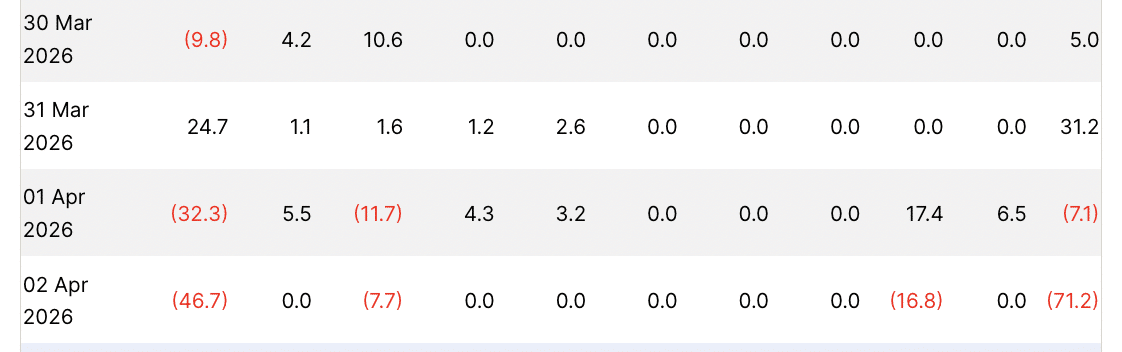
Another notable development has come from the Ethereum Foundation, which has reportedly expanded its staked ETH position significantly over a short period. That signals continued confidence from major ecosystem participants even while the market struggles to regain momentum.
Taken together, these trends show a market that looks weak on the surface but still attracts strong institutional commitment underneath. BitMine’s latest purchase reinforces the idea that some large players are viewing current conditions as a strategic entry zone rather than a reason to stay on the sidelines.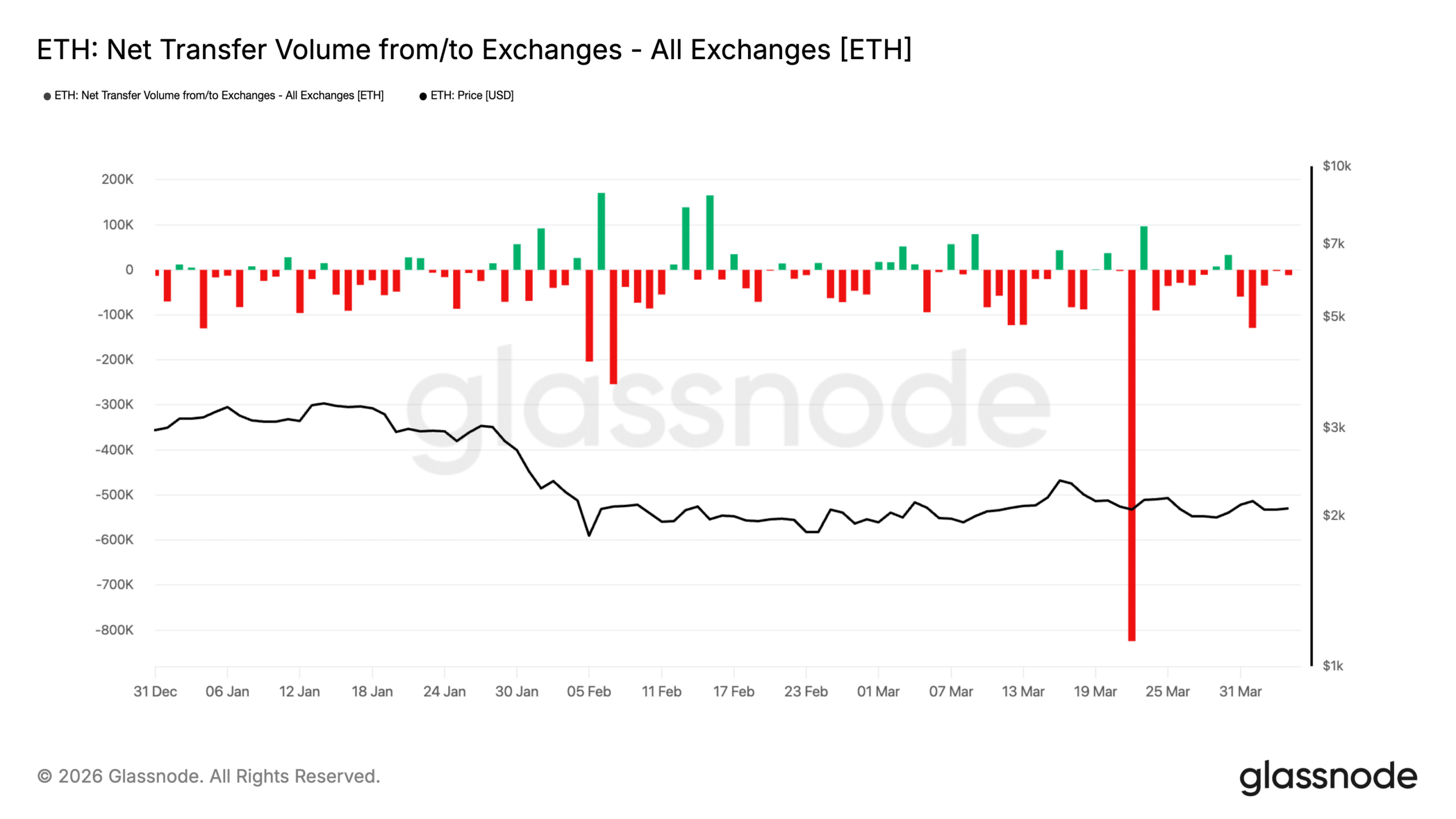
In the near term, Ethereum may continue to face volatility as sentiment remains fragile and ETF flows stay mixed. However, steady treasury accumulation, exchange outflows, and rising staking activity suggest that conviction around ETH’s longer-term value remains intact.
